- cretemaster72@gmail.com
- Garden Grove, CA 92649
- Mon-Sun 7 AM–7 PM

Menu
Wondering what to ask a concrete contractor before you hire one?
The right questions can help you avoid unclear estimates, poor prep work, weak base support, drainage problems, surprise costs, and rushed concrete installation.
A good concrete contractor should explain the full project before work begins. That includes the scope, license, insurance, site preparation, drainage, grading, concrete thickness, finish options, timeline, cleanup, and curing instructions.
This guide covers the most important questions before hiring concrete contractor services in Orange County, so you can compare estimates with more confidence.
Odell Concrete has served Orange County since 1976. We help homeowners, HOAs, property managers, builders, and business owners plan driveways, patios, walkways, foundations, grading, drainage, demolition, and decorative concrete finishes.
Established in 1976
Licensed & Insured
California Contractor License #1065525
Serving Orange County and nearby Southern California communities
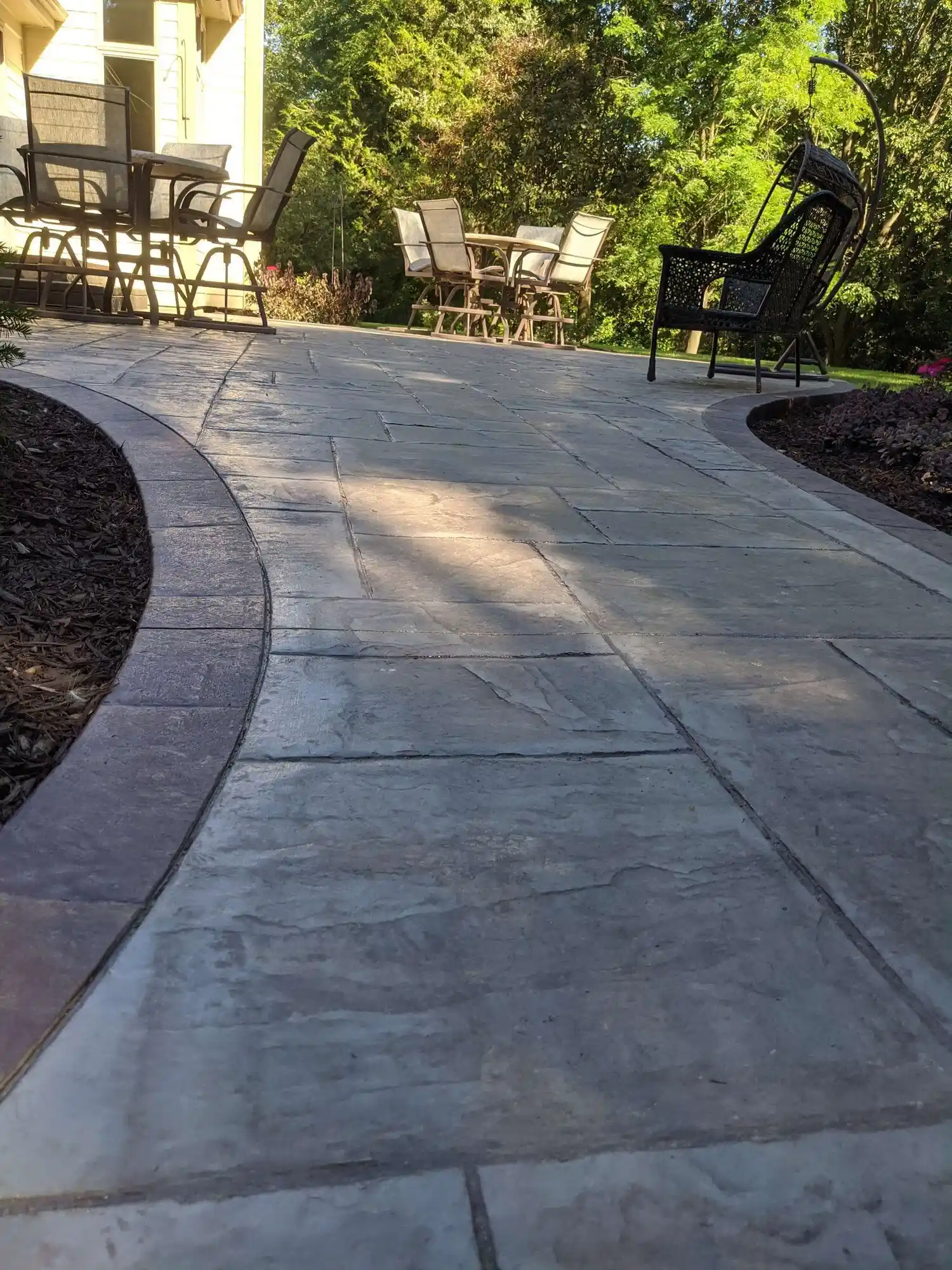
This guide helps you understand how to choose concrete contractor Orange County services before approving a project.
It covers:
For general concrete service options, visit our concrete work page.
For more planning guides, visit the Odell Concrete resource center.
Before hiring a concrete contractor, ask:
The goal is not only to get a price.
The goal is to understand the full scope before concrete is poured.
Concrete is difficult to change after it cures.
That is why the planning stage matters.
The right questions can help you understand:
A clear estimate protects both the property owner and the contractor.
A useful concrete estimate checklist helps you compare bids clearly.
Your estimate should explain:
Estimate Item | Why It Matters |
Project area | Confirms what surface is included |
Approximate size | Helps compare scope and pricing |
Concrete thickness | Affects strength and long-term use |
Old concrete removal | Can change cost and timeline |
Hauling and disposal | Prevents cleanup confusion |
Base preparation | Helps reduce cracking and sinking risk |
Grading | Helps shape slope and elevation |
Drainage review | Helps prevent water pooling |
Reinforcement | May be needed for heavier use |
Finish type | Affects appearance, traction, and maintenance |
Control joints | Helps guide concrete movement |
Timeline | Helps set expectations |
Cleanup | Clarifies what happens after the work |
Curing guidance | Helps protect the new concrete |
If an estimate is vague, ask for more detail before moving forward.
A concrete contractor should provide license information clearly.
Ask these contractor license questions:
License information matters because it helps confirm that you are dealing with a real contractor, not someone using vague claims.
Odell Concrete is licensed and insured under California Contractor License #1065525.
Insurance is an important part of hiring any contractor.
Ask:
Do not rely only on a verbal answer.
A professional contractor should be comfortable discussing insurance before the job begins.
Concrete work can vary by project type.
A contractor who installs patios may not always be the right fit for foundations, drainage work, ADA concrete, commercial concrete, or structural slabs.
Ask:
For project process details, read our how concrete installation works guide.
The best questions depend on the type of concrete work you need.
If you are planning a driveway, ask:
For driveway service details, visit our concrete driveway installation page.
For pricing factors, read our concrete driveway cost guide.
If you are planning a patio, ask:
For patio service details, visit our concrete patio construction page.
If the area has water issues, read our drainage before concrete patio guide.
If you are planning a walkway, ask:
For walkway service details, visit our concrete walkway contractor page.
If you are planning a slab or foundation, ask:
For foundation service details, visit our concrete foundation page.
For cost planning, read our concrete foundation cost guide.
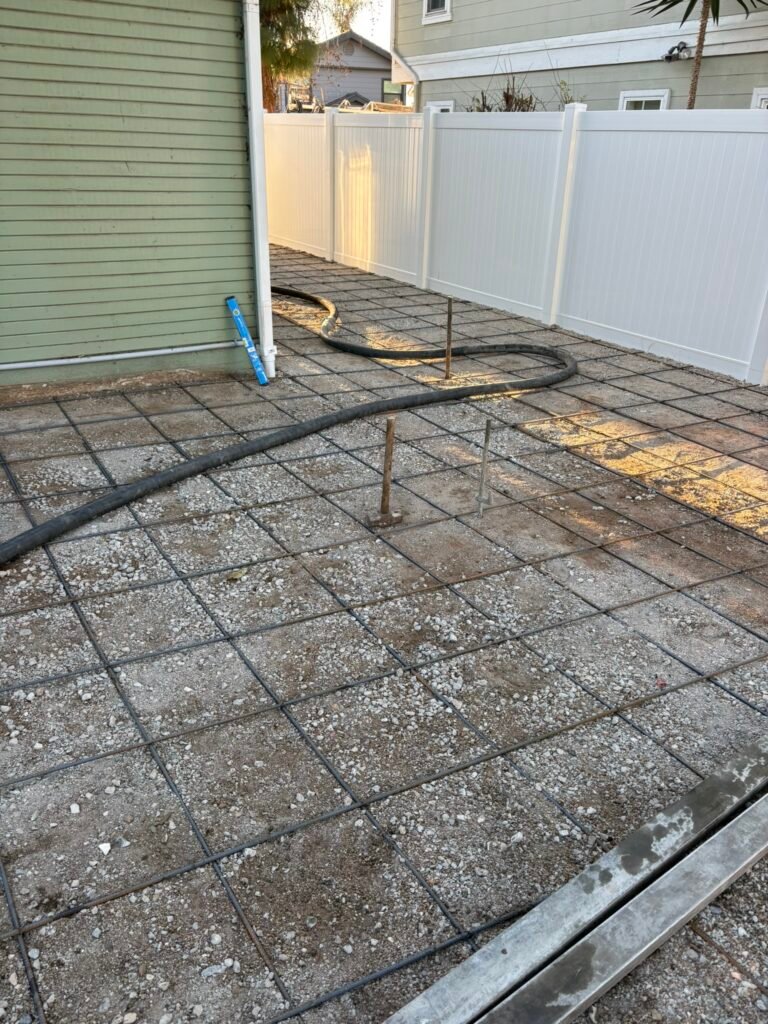
Good concrete starts before the pour.
Ask these project prep questions for contractors:
Prep work is one of the most important parts of the job.
A weak base, poor slope, or ignored drainage issue can cause problems after the concrete is finished.
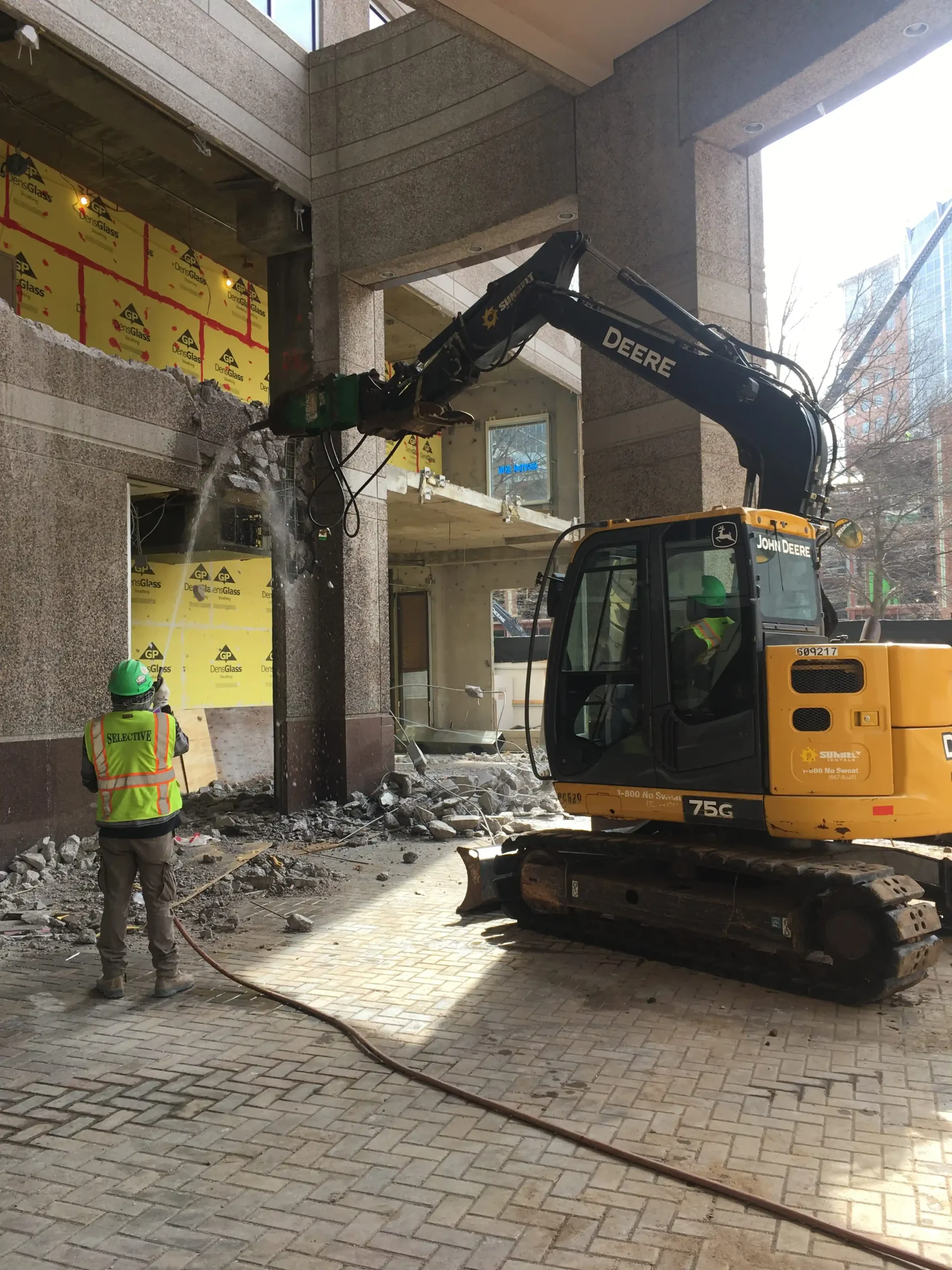
Old concrete can affect the new project.
Ask:
Old concrete may need removal if it is:
For demolition service details, visit our demolition page.
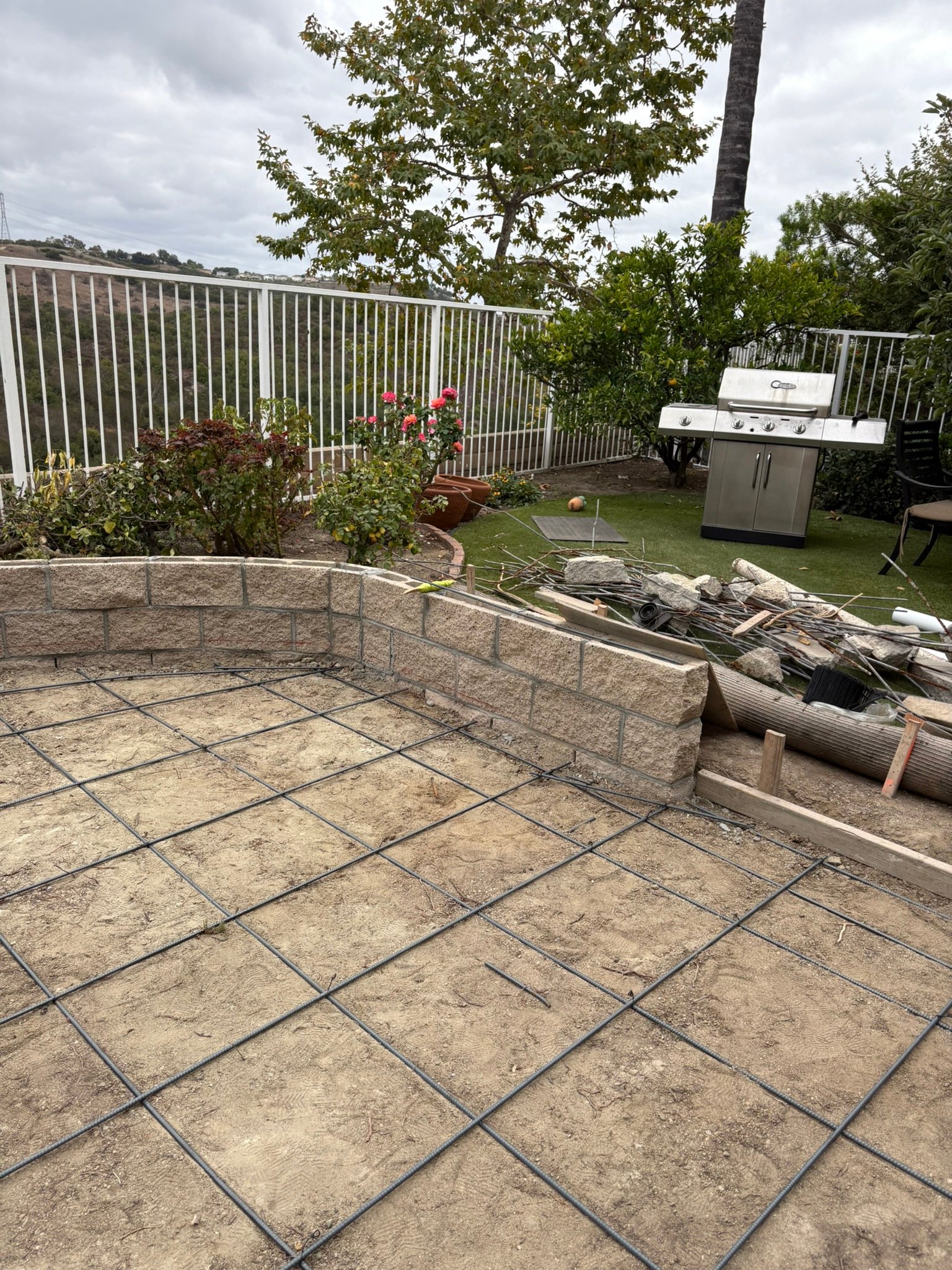
The base below the concrete matters.
Ask:
A weak base can lead to:
Concrete should be supported from below, not only finished nicely on top.
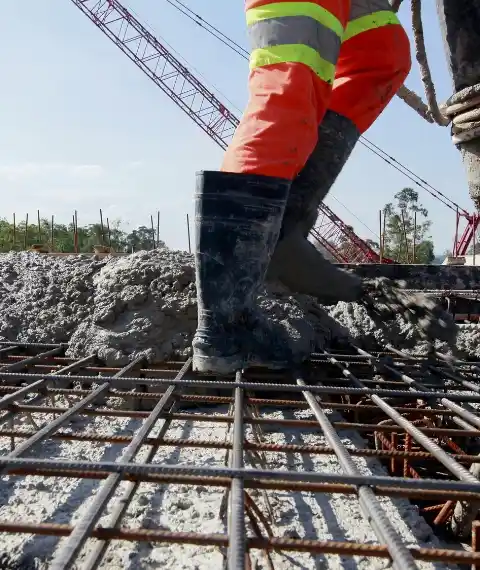
Drainage should be discussed before concrete is poured.
Ask:
For drainage service details, visit our concrete drainage systems page.
For grading service details, visit our grading page.
If water already collects in the area, read our guide on why water pools on concrete.
Concrete thickness should match the project use.
Ask:
Thickness and reinforcement may matter more for:
Do not compare bids only by price if the thickness and reinforcement are different.
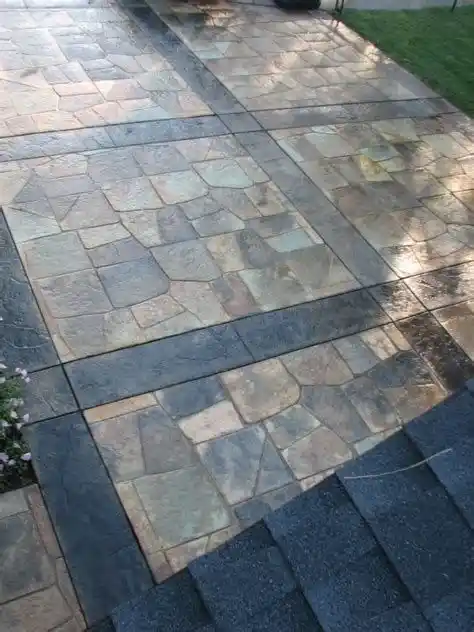
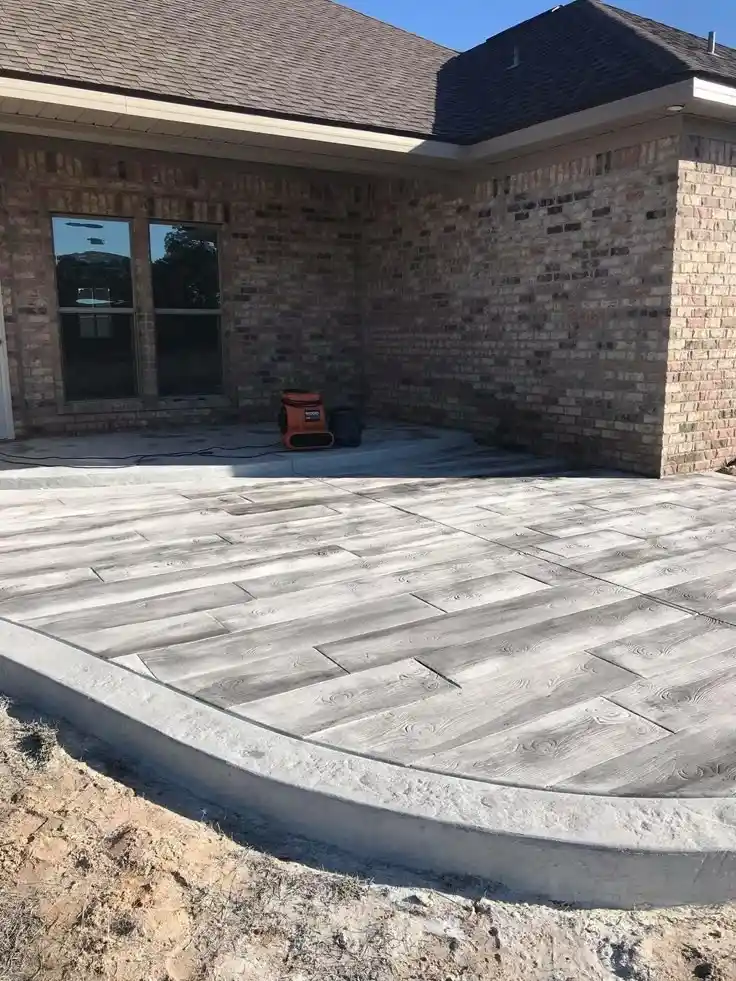
The finish affects appearance, traction, maintenance, and cost.
Ask:
Common finish options include:
For finish service details, visit our decorative concrete finishes page.
To compare finish options, read:
A good contractor should explain the expected timeline.
Ask:
For curing guidance, read our how long before driving on new concrete guide.
It is fair to ask who will be doing the work.
Ask:
Clear communication matters.
Concrete work moves quickly once the pour begins, so the crew should understand the plan before that point.
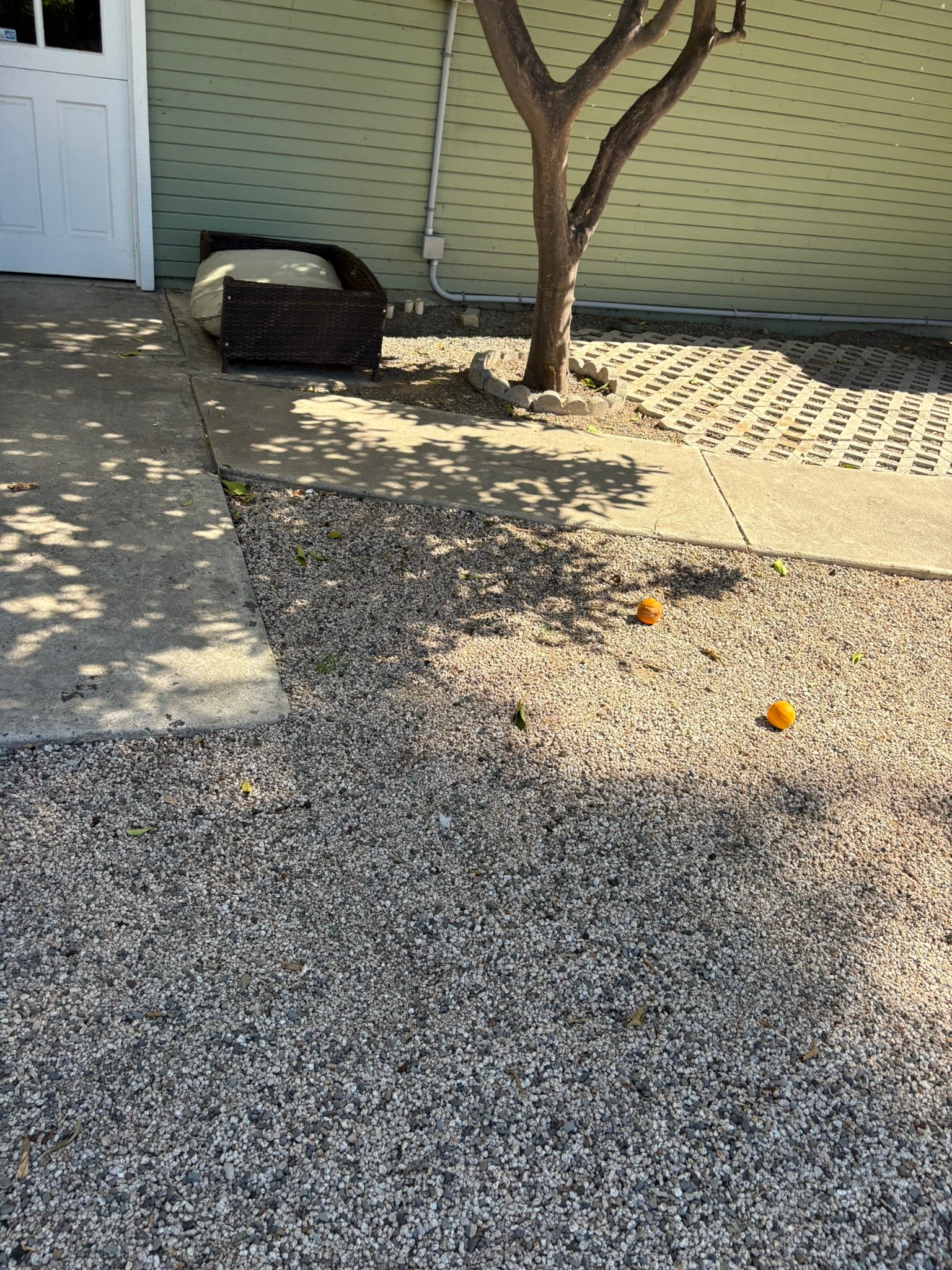
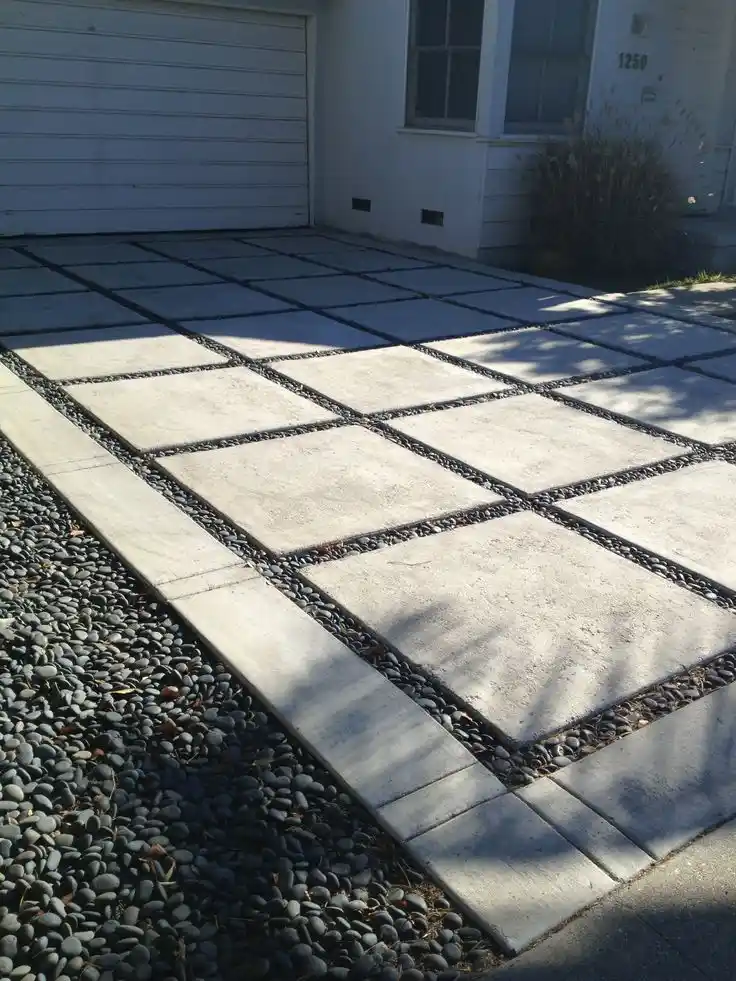
Site access can affect cost, timing, and cleanup.
Ask:
Tight access can affect backyard patios, side yards, ADU foundations, and commercial properties.
Some concrete projects may involve permits, HOA rules, property management approval, or city requirements.
Ask:
For more planning details, read our concrete permits in Orange County guide.
If the project connects to an accessible route, visit our ADA concrete work page and read our ADA concrete ramp requirements guide.
Changes can happen during construction.
Ask:
A professional contractor should explain how changes are handled before the work begins.
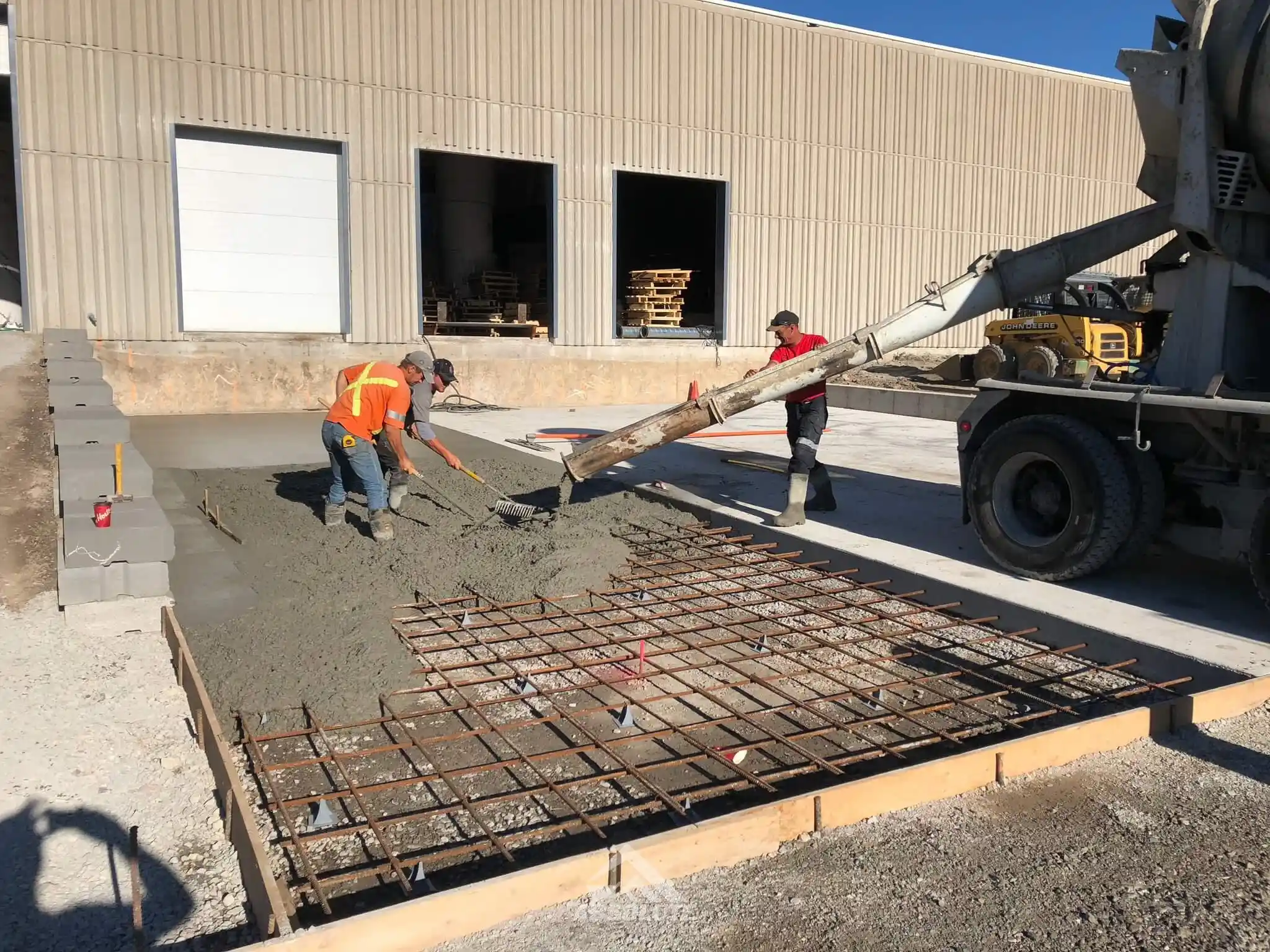
Cleanup should be part of the conversation before the job starts.
Ask:
Cleanup matters because concrete work can involve debris, forms, dust, broken concrete, and staging materials.
New concrete needs care after installation.
Ask:
Aftercare protects the new surface during the early curing period.
For full timing guidance, read our how long before driving on new concrete guide.
Ask clear questions about what is and is not covered.
Helpful questions include:
Concrete is strong, but it is not maintenance-free.
The best conversations are clear before the project starts.
Be careful if a contractor:
A low price can become expensive if the scope is incomplete.
Do not compare estimates only by the final number.
Compare what each estimate includes.
Review:
Two estimates can look similar in price but include very different work.
When deciding how to choose concrete contractor Orange County services, look for a contractor who explains the full project clearly.
A strong contractor should discuss:
The right contractor should help you understand the work before you approve it.
That is especially important for Orange County properties with tight access, HOA rules, side-yard drainage, older concrete, driveway transitions, patios near doors, or foundation-adjacent work.
You do not need to know everything before calling.
Still, these details can help:
Clear photos are especially helpful for reviewing access, drainage, slope, and existing concrete.
You may need a concrete estimate if you are planning:
Call Odell Concrete at (714) 717-1771 to request a free estimate.
Use these related guides if you are still planning your project:
For all guides, visit the Odell Concrete resource center.
Need help planning a driveway, patio, walkway, slab, foundation, drainage project, grading work, old concrete removal, or decorative concrete finish?
Call Odell Concrete at (714) 717-1771 to request a free estimate.
You can also visit the contact page and share your photos, approximate size, current surface condition, drainage concerns, access details, finish preferences, and project goals.
Ask about license, insurance, experience, scope, estimate details, old concrete removal, base preparation, grading, drainage, thickness, reinforcement, finish options, timeline, cleanup, and curing instructions.
The most important questions before hiring concrete contractor services include whether the contractor is licensed and insured, what is included in the estimate, how the base will be prepared, how drainage will be handled, and when the new concrete can be used.
Choose a contractor who explains the project clearly, provides license and insurance information, reviews drainage and grading, includes prep work in the scope, discusses finish options, and gives clear curing instructions.
Yes. Ask for the contractor license number and make sure the business name matches the estimate or proposal. A professional contractor should provide this information clearly.
If old concrete needs to be removed, the estimate should explain whether demolition, hauling, disposal, base review, grading, and cleanup are included.
Drainage affects long-term performance. Poor drainage can cause water pooling, cracking, settlement, slippery areas, and water moving toward the home.
Concrete thickness should match the project use. A driveway, foundation, slab, patio, and walkway may each need different planning based on weight, traffic, base conditions, and long-term use.
Yes. Ask whether the contractor uses their own crew, subcontractors, or a mix. You should also know who supervises the project and who you should contact during the job.
Yes. Finish choice affects appearance, traction, maintenance, cost, and comfort. Common options include broom finish, washed finish, Top-Cast, stamped concrete, and decorative concrete.
Send photos, approximate size, project type, current surface condition, drainage concerns, access notes, finish preferences, whether old concrete needs removal, and any HOA, property management, or permit concerns.
Call Odell Concrete at (714) 717-1771 or visit the contact page to request a free estimate.
The best concrete projects start with clear questions before the work begins.
If you are deciding what to ask a concrete contractor or need help planning a driveway, patio, walkway, slab, foundation, grading, drainage, or decorative concrete project, call Odell Concrete at (714) 717-1771 to request a free estimate.
Odell Concrete Construction, serving Southern California since 1976 with trusted, durable, and professional concrete solutions.
Copyright © 2026 Darren B Odell. All rights reserved