- cretemaster72@gmail.com
- Garden Grove, CA 92649
- Mon-Sun 7 AM–7 PM

Menu
Wondering how concrete installation works before starting a driveway, patio, walkway, slab, foundation, or outdoor concrete project?
A good concrete project is not just about pouring concrete. The process may include site review, old concrete removal, grading, drainage planning, base preparation, form setup, concrete placement, finishing, curing, and cleanup.
This guide explains the concrete installation process Orange County property owners can expect, including what happens during a concrete project from the first site review to the final walkthrough.
Odell Concrete has served Orange County since 1976. We help homeowners, HOAs, property managers, builders, and business owners plan concrete driveways, patios, walkways, foundations, drainage, grading, demolition, and decorative concrete finishes.
Established in 1976
Licensed & Insured
California Contractor License #1065525
Serving Orange County and nearby Southern California communities
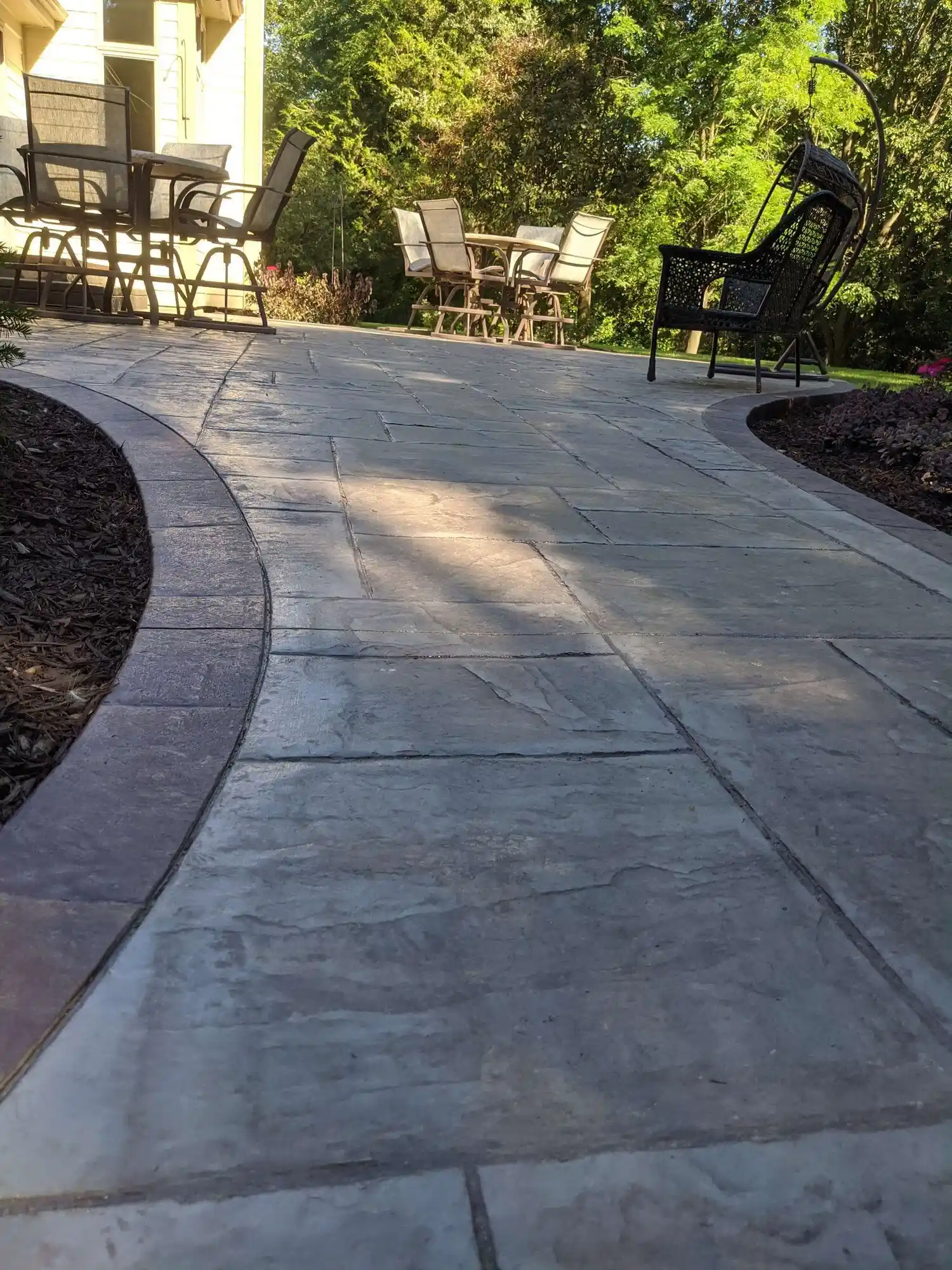
This guide explains how concrete installation works from start to finish.
It covers:
For service details, visit our concrete work page.
For more planning guides, visit the Odell Concrete resource center.
Concrete installation usually follows a clear process.
Most projects may include:
The exact process depends on the project type.
A driveway, patio, walkway, foundation, slab, drainage project, or decorative concrete finish may each need a different plan.
Concrete becomes hard after it cures, so planning matters before the pour.
A good plan helps reduce problems like:
Concrete should be planned around the property, not just the shape of the slab.
Before installation, the project should answer:
The full process can vary by project, but most concrete jobs follow these main stages.
The first step is reviewing the area where the concrete will be installed.
A site review may look at:
This step helps the contractor understand what the project needs before work begins.
For help knowing what to ask, read our what to ask a concrete contractor guide.
After the site is reviewed, the project scope can be discussed.
The estimate may consider:
A clear scope helps avoid confusion later.
For pricing factors, read our concrete driveway cost guide or concrete patio cost guide.
Once the project is approved, the job can be scheduled.
Scheduling may depend on:
Some projects are simple. Others need more preparation before concrete can be poured.
Site preparation gets the area ready for work.
This may include:
Good preparation helps the project move smoothly once work begins.
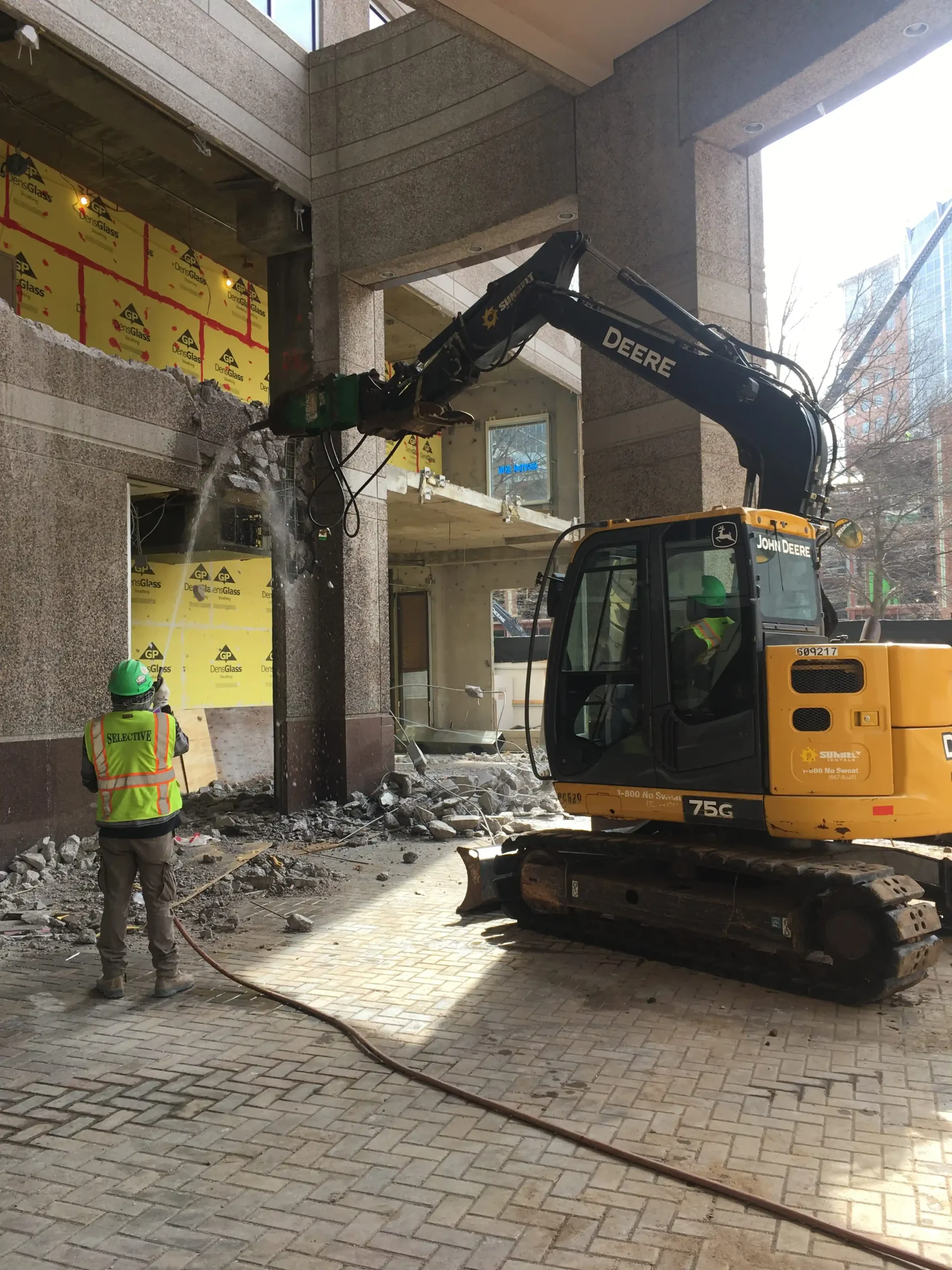
If old concrete is cracked, sunken, uneven, poorly sloped, or holding water, it may need to be removed.
Old concrete removal may include:
For old concrete removal details, visit our demolition page.
If you are replacing a driveway, read our concrete driveway repair vs. replacement guide.
Grading shapes the area before concrete is installed.
Grading helps control slope, drainage, base support, and surface elevation.
Grading may be needed when:
For service details, visit our grading page.
Drainage should be reviewed before concrete is poured.
Water should move away from doors, garages, foundations, walkways, side yards, and low areas.
Drainage concerns may include:
If water already collects in the project area, read our guide on why water pools on concrete.
For drainage service details, visit our concrete drainage systems page.
The base below the concrete matters.
A weak base can lead to cracking, sinking, uneven sections, water pooling, or surface movement.
Base preparation may include:
A driveway, patio, walkway, slab, or foundation should be supported from below.
The surface is only as good as the preparation under it.
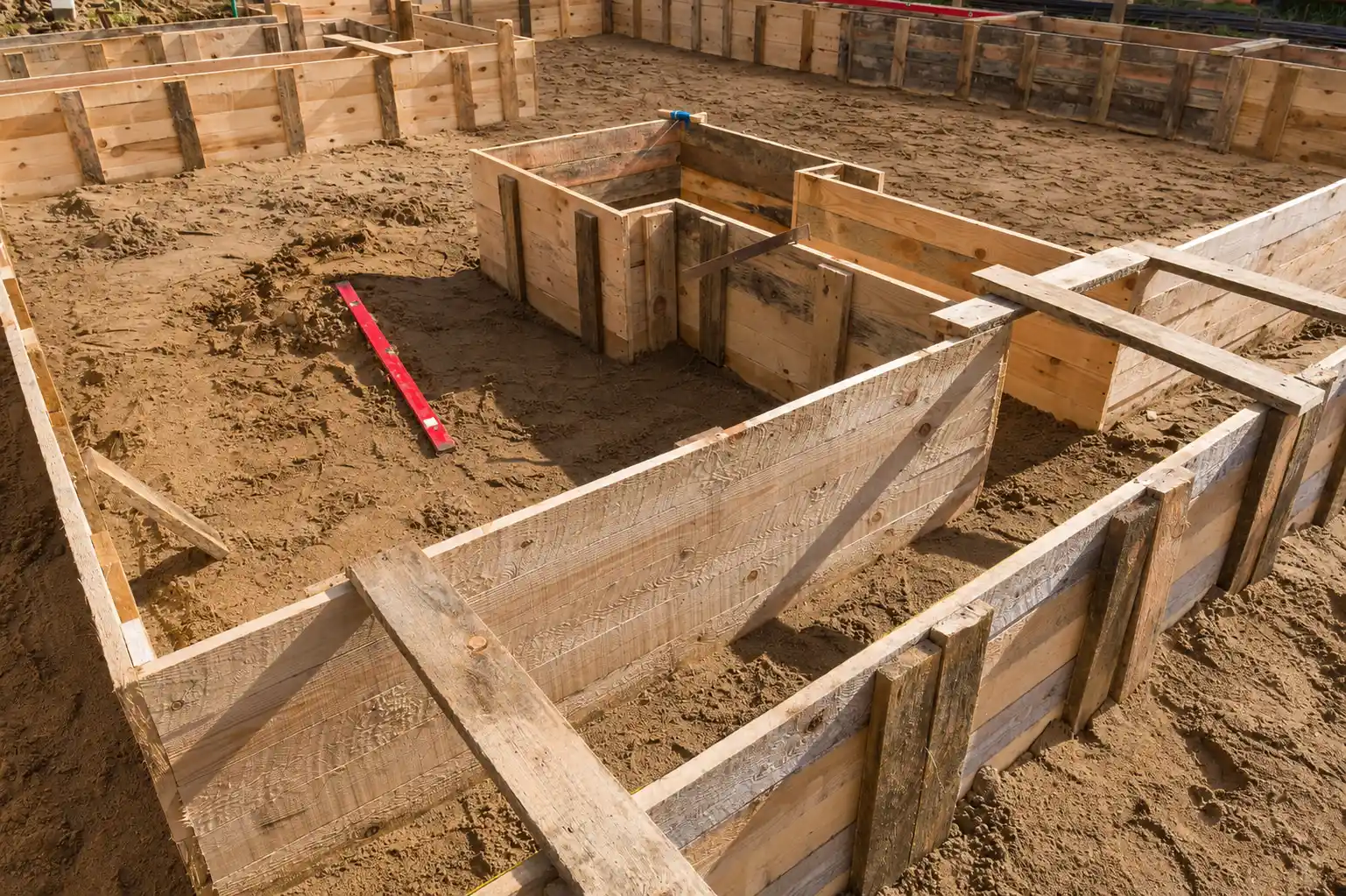
Forms shape the concrete before it is poured.
Forms help define:
The forms, pour, finish process starts here. If the forms are not set correctly, the finished concrete may not match the planned shape, slope, or layout.
Some concrete projects may need reinforcement.
Reinforcement may depend on the project type, load, thickness, use, and site conditions.
Reinforcement may include:
Driveways, foundations, slabs, commercial areas, and load-bearing concrete may need more planning than simple light-use surfaces.
For foundation service details, visit our concrete foundation page.
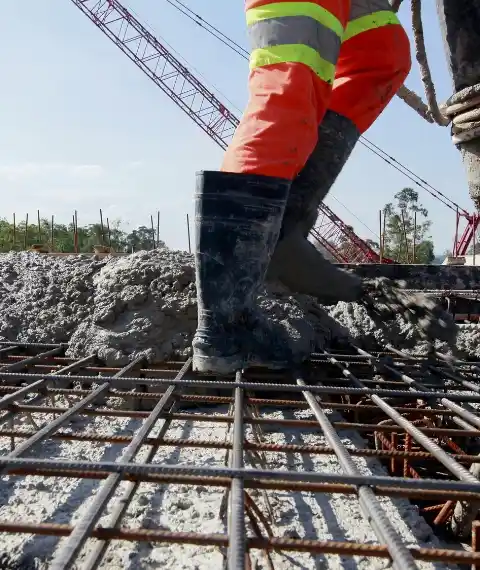
During the pour, concrete is placed inside the prepared forms.
The crew works to move, spread, and level the concrete before it starts to set.
Concrete placement may include:
The pour needs good timing. Once concrete starts to set, the crew must work within the right window.
Finishing creates the surface texture and final look.
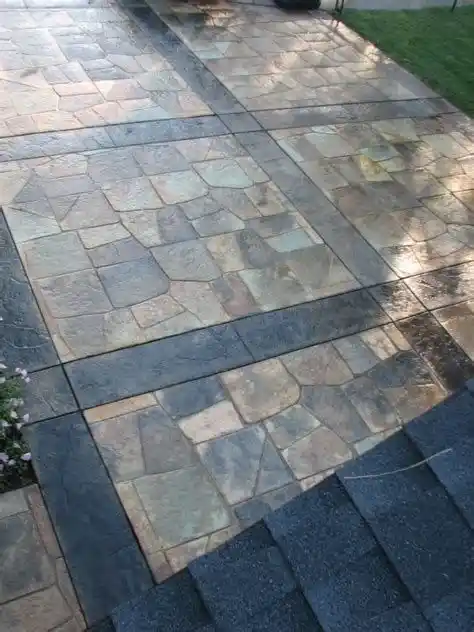
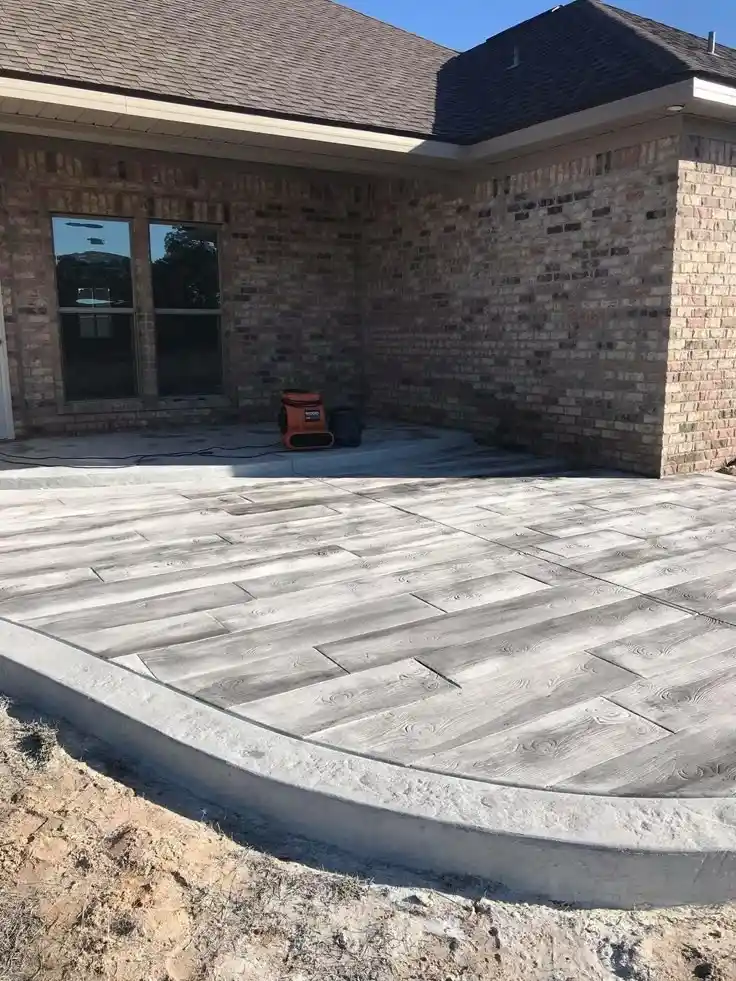
Common finish options may include:
Finish choice can affect:
To compare finishes, read:
For finish service details, visit our decorative concrete finishes page.
Control joints help guide concrete movement.
Concrete can shrink and move as it cures. Joints help reduce random cracking by creating planned lines.
Control joint planning may depend on:
Control joints do not prevent every crack, but they help manage where movement is more likely to show.
If you want to understand crack causes, read our why concrete driveways crack guide.
Control joints help guide concrete movement.
Concrete can shrink and move as it cures. Joints help reduce random cracking by creating planned lines.
Control joint planning may depend on:
Control joints do not prevent every crack, but they help manage where movement is more likely to show.
If you want to understand crack causes, read our why concrete driveways crack guide.
Curing is the time concrete needs to gain strength.
New concrete should not be treated like a finished hard surface right away.
Curing can be affected by:
Do not drive on new concrete too soon.
For driveway timing, read our how long before driving on new concrete guide.
Cleanup is part of the installation process.
Cleanup may include:
A clean finish matters, but so does a clear handoff.
Property owners should understand how to care for the new concrete after installation.
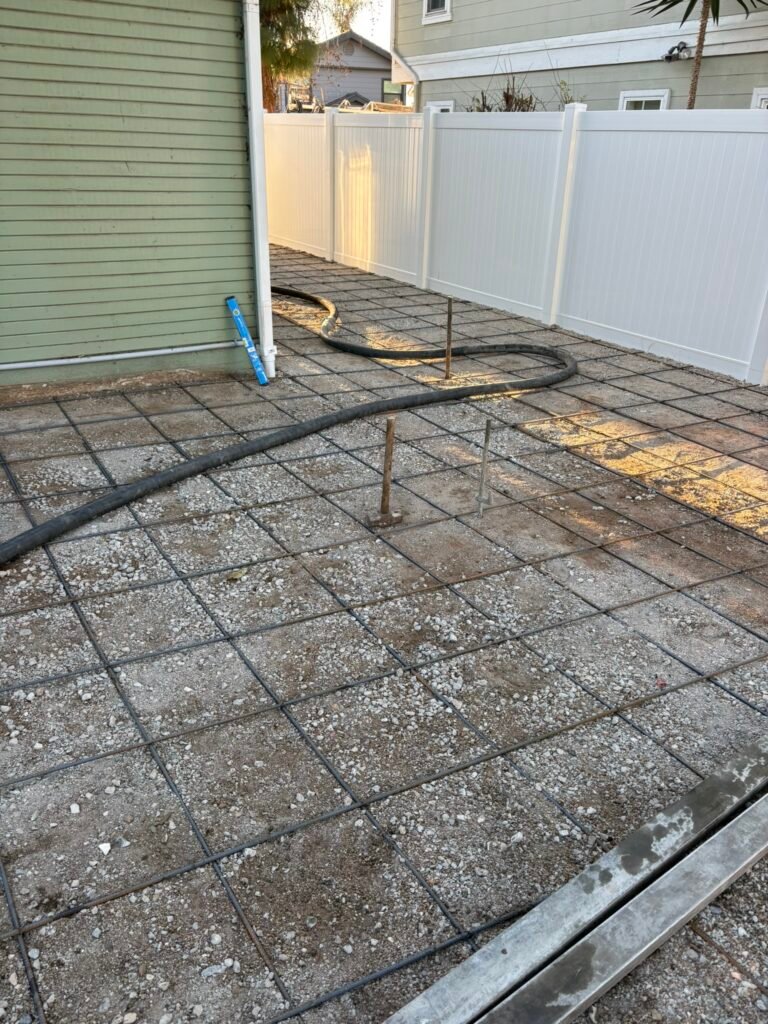
What happens during a concrete project depends on the surface, site, and scope.
A simple walkway may move faster than a large driveway, patio, foundation, or drainage project.
The project may include:
Some projects may also include:
The more complex the site, the more important planning becomes.
The concrete installation process Orange County property owners need can vary by city, property type, access, and project use.
Local projects may need special attention when:
A concrete project in Orange County should be planned around the property, the surface use, and the surrounding conditions.
For permit planning, read our concrete permits in Orange County guide.
Different concrete projects need different planning.
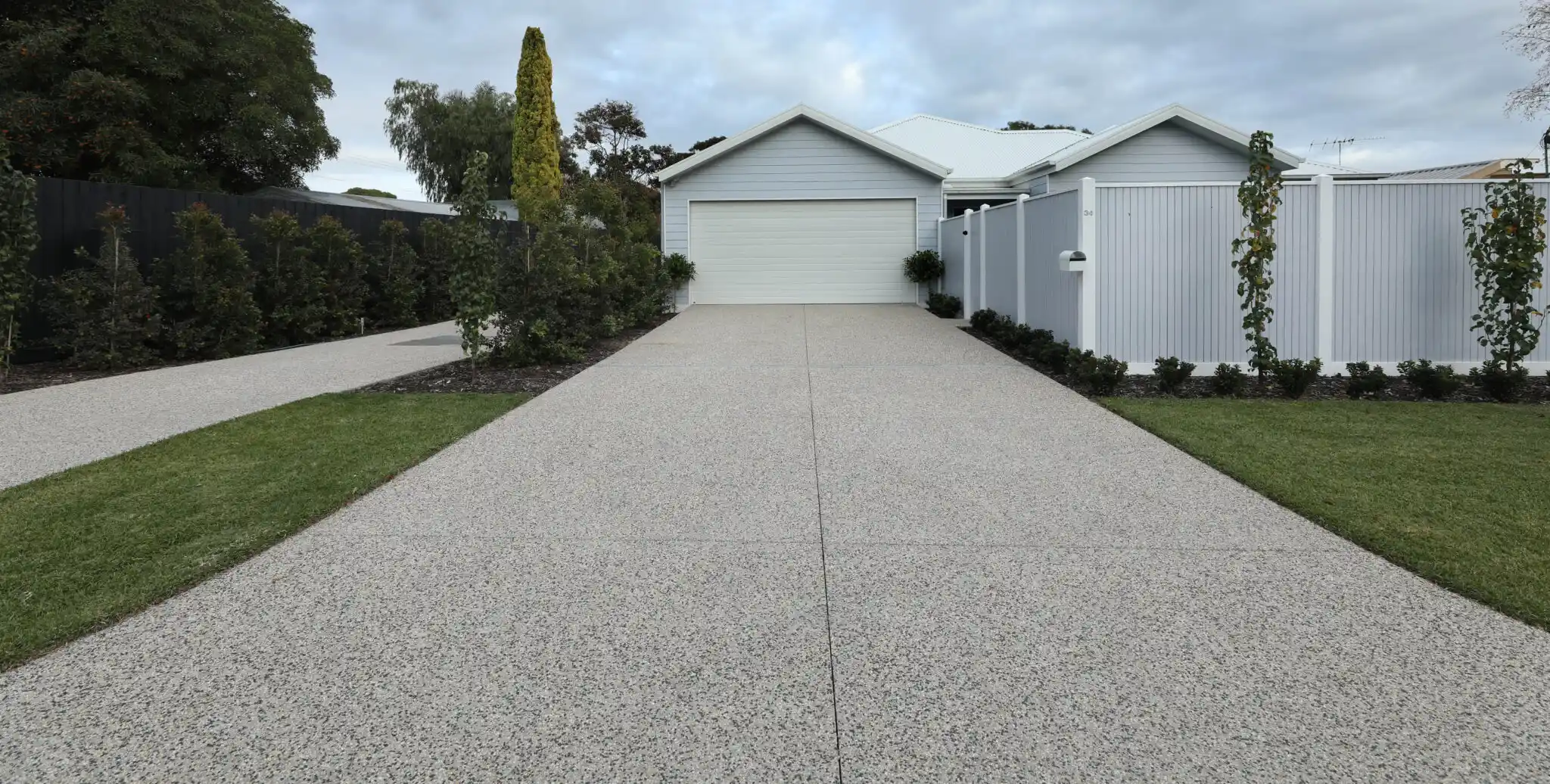
Driveways need planning for vehicle use, slope, thickness, drainage, garage transitions, street transitions, and finish type.
A driveway project may include:
For service details, visit our concrete driveway installation page.
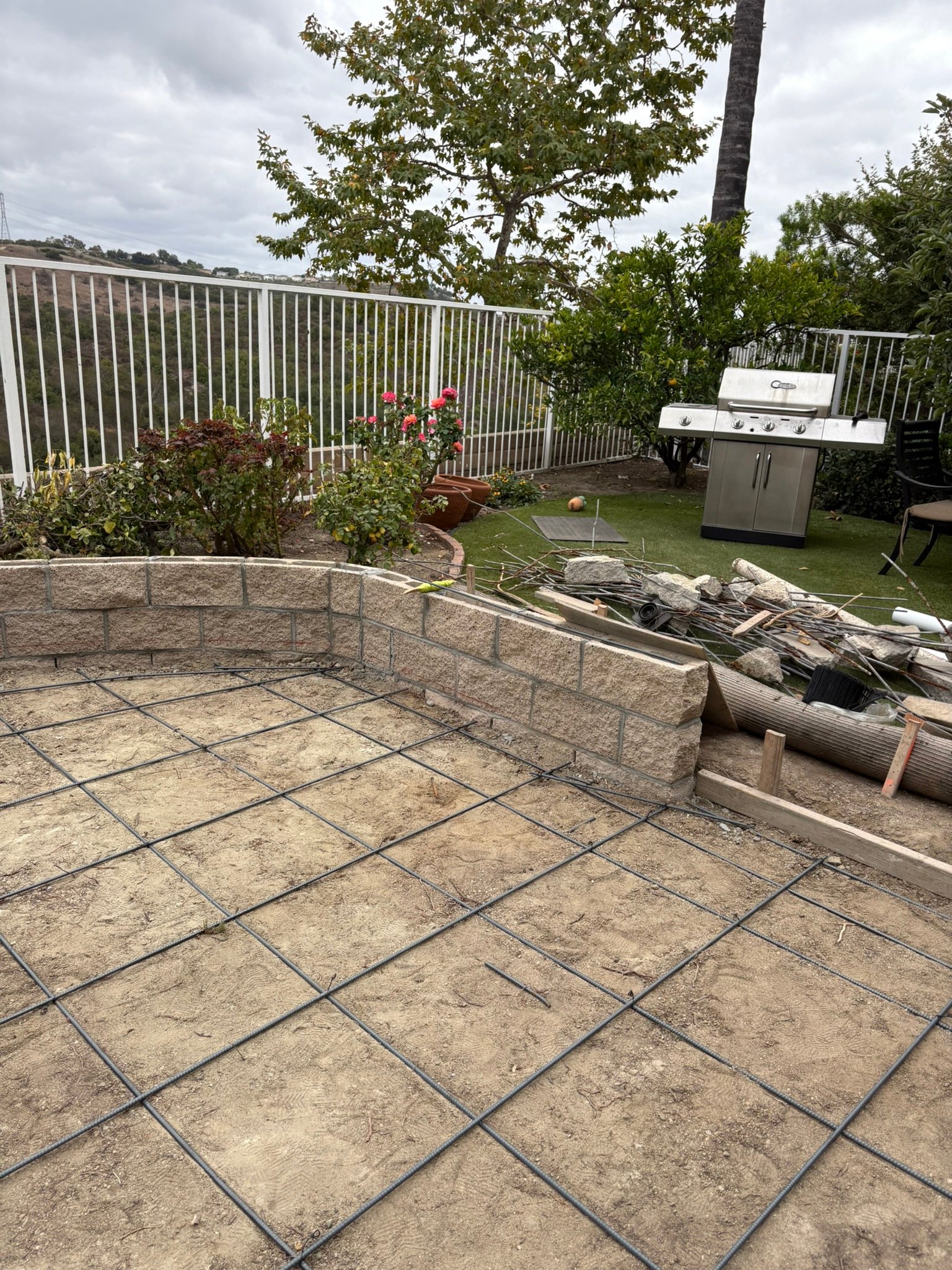
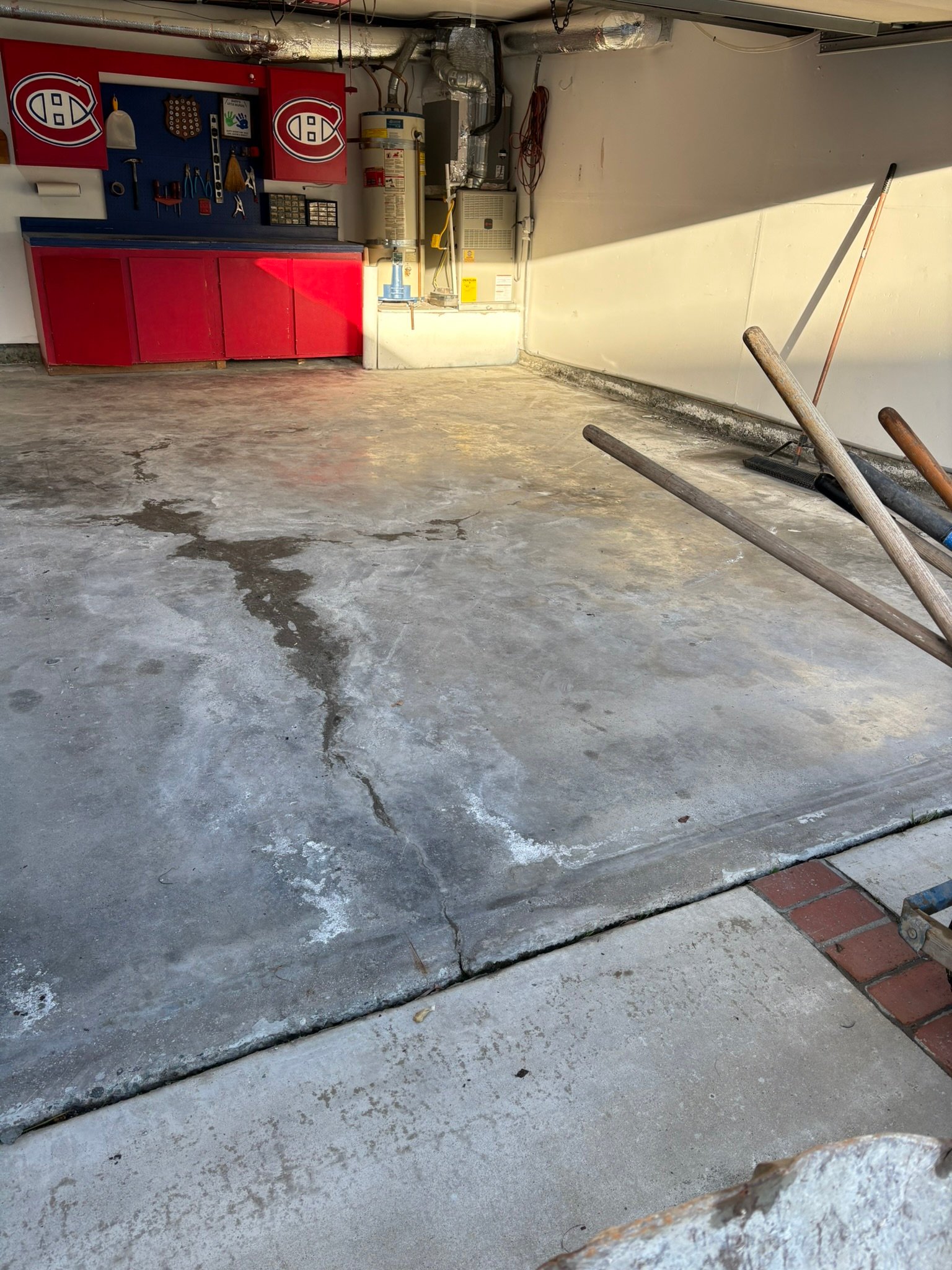
Patios need planning for doors, furniture, outdoor use, drainage, slope, finish, and access.
A patio project may include:
For service details, visit our concrete patio construction page.
If the area has water concerns, read our drainage before concrete patio guide.
Walkways need safe access, comfortable slope, proper width, and good transitions.
A walkway project may include:
For service details, visit our concrete walkway contractor page.
Foundations and slabs may need more structural planning than basic flatwork.
A foundation project may include:
For service details, visit our concrete foundation page.
For cost planning, read our concrete foundation cost guide.
Decorative concrete may need more finish planning.
Decorative work may include:
For finish options, visit our decorative concrete finishes page.
The timeline depends on the project.
A small walkway may move faster than a driveway, patio, foundation, or drainage project.
Timeline factors may include:
Decorative finishes, drainage work, tight access, or old concrete removal can add time to the project.
Some delays are avoidable. Others depend on site conditions.
Common delay factors include:
Sharing photos and project details early can help reduce surprises.
You can help the project move smoothly by preparing the site before the crew arrives.
Helpful preparation steps may include:
Do not move heavy items if it is unsafe. Ask the contractor what should be cleared before the work starts.
Installation day can be active and noisy.
Depending on the project, you may see:
Access may be limited during the work.
You may need to avoid:
Follow the contractor’s instructions for the best result.
After concrete is poured and finished, it still needs time to cure.
After the pour, you may receive guidance about:
New concrete may look different as it cures. Color and surface appearance can change during the early curing period.
For driveway timing, read our how long before driving on new concrete guide.
Concrete problems often start before the pour.
Common mistakes include:
A good concrete project should plan the surface, base, slope, drainage, finish, and use together.
Some concrete projects may involve city rules, HOA approval, property management review, or inspections.
This may matter when the project affects:
Read our concrete permits in Orange County guide for more planning details.
If the project connects to an accessible route, visit our ADA concrete ramp requirements guide and ADA concrete work page.
Concrete installation cost depends on the full scope.
Cost factors may include:
For driveway pricing, read our concrete driveway cost guide.
For patio pricing, read our concrete patio cost guide.
You do not need to know every detail before calling.
Still, these details can help:
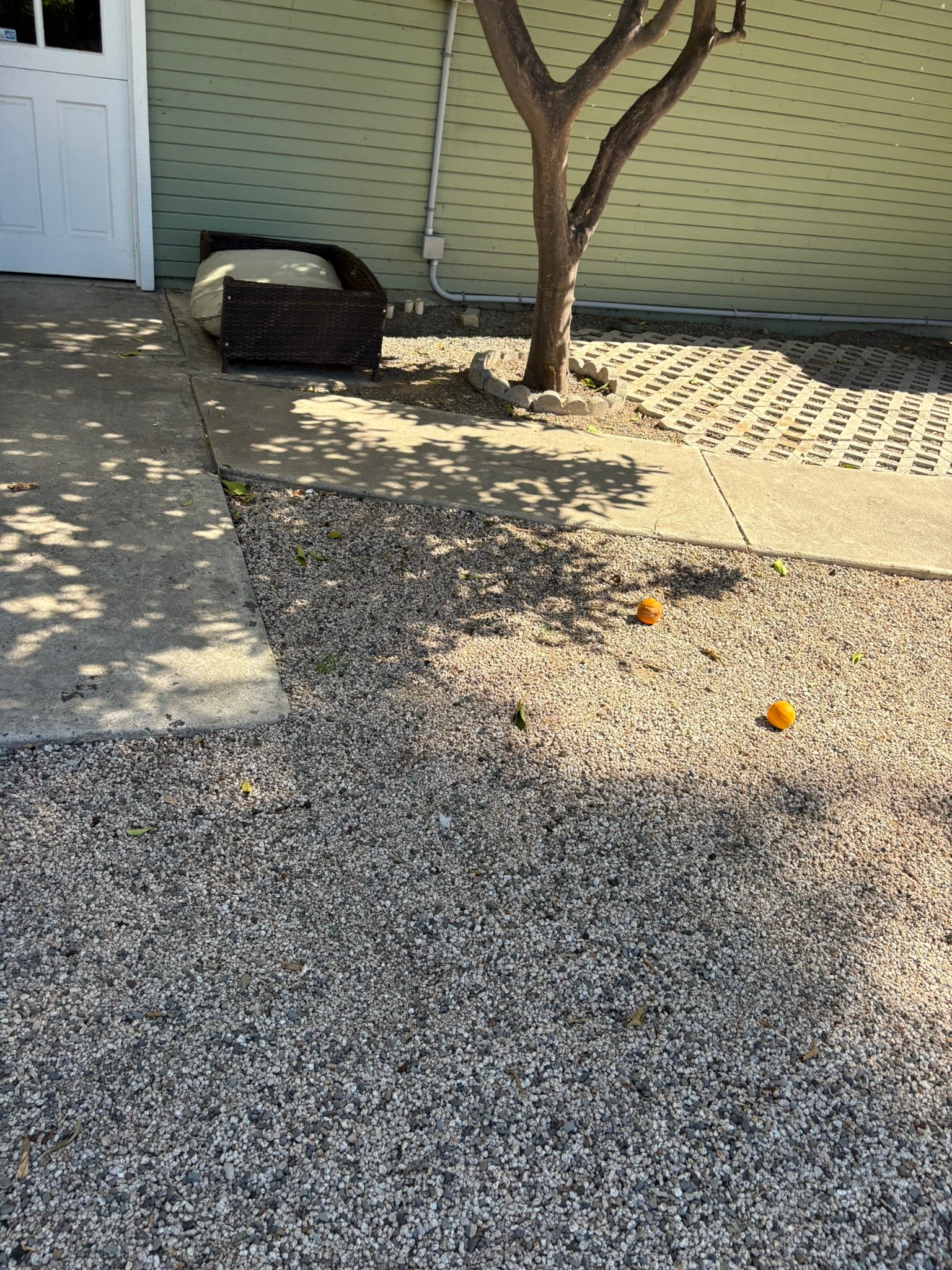
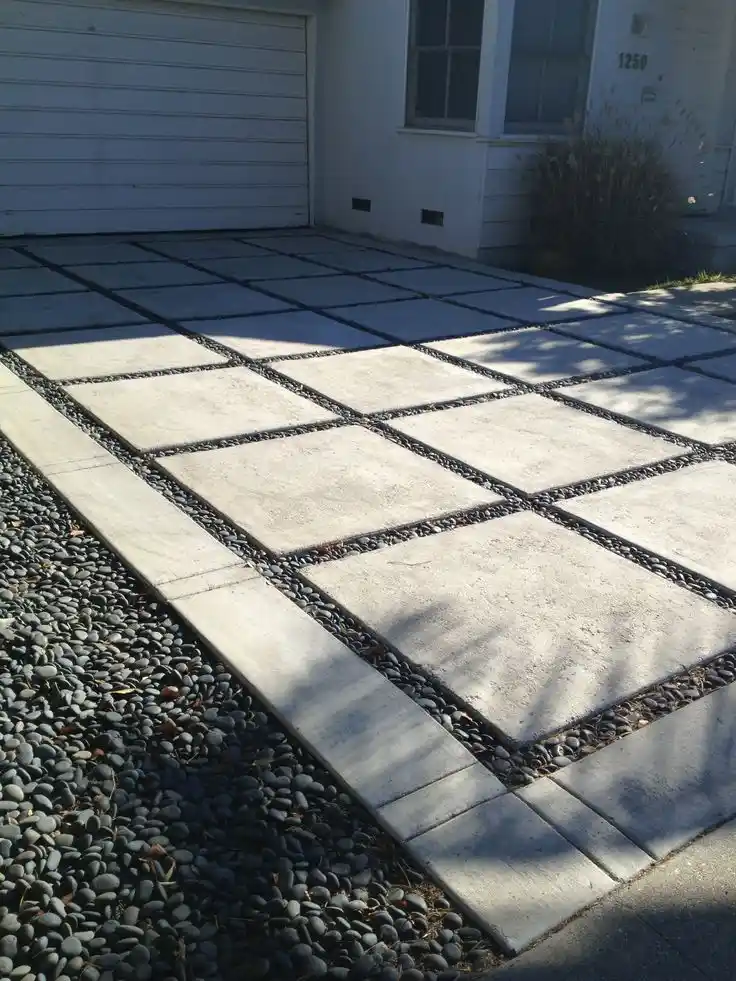
Clear photos are especially helpful for understanding access, drainage, and current conditions.
You may need a concrete estimate if you are planning:
Call Odell Concrete at (714) 717-1771 to request a free estimate.
Use these related guides if you are still planning your project:
For all guides, visit the Odell Concrete resource center.
Need help planning a concrete driveway, patio, walkway, slab, foundation, drainage project, grading work, or decorative concrete finish?
Call Odell Concrete at (714) 717-1771 to request a free estimate.
You can also visit the contact page and share your photos, approximate size, current surface condition, drainage concerns, access details, finish preferences, and project goals.
Concrete installation usually includes site review, preparation, old concrete removal if needed, grading, drainage review, base preparation, form setup, concrete placement, finishing, control joints, curing guidance, and cleanup.
During a concrete project, the crew prepares the area, sets forms, pours and places concrete, finishes the surface, plans control joints, gives curing instructions, and cleans the site. Larger projects may also include demolition, grading, drainage, or inspections.
Before concrete is poured, the site should be reviewed for layout, slope, drainage, base condition, access, old concrete, finish choice, and how the surface will be used.
Base preparation helps support the concrete. A weak or uneven base can lead to cracking, sinking, low spots, poor drainage, and uneven surfaces.
Forms shape the concrete before it hardens. They help define the edges, layout, elevation, slope, corners, and transitions of the finished surface.
Yes. Drainage should be reviewed before concrete is poured. Poor drainage can cause water pooling, cracking, settlement, base movement, and water near the home.
Old concrete may need removal if it is cracked, sunken, poorly sloped, holding water, uneven, patched many times, or built over a weak base.
Sometimes, but it depends on the condition of the old surface. If the old concrete is cracked, sunken, poorly sloped, holding water, or built over a weak base, removal may be the better option.
The timeline depends on project size, old concrete removal, grading, drainage, site access, finish type, weather, concrete delivery, inspections, and curing needs.
Walking time depends on the concrete mix, weather, project type, surface use, and contractor instructions. Always follow the curing guidance provided after installation.
Driving time depends on curing conditions, driveway thickness, vehicle weight, weather, and contractor instructions. Do not drive on new concrete until the contractor says it is ready.
Send photos, approximate size, project type, current surface condition, drainage concerns, access notes, finish preferences, whether old concrete needs removal, and any HOA, property management, or permit concerns.
Call Odell Concrete at (714) 717-1771 or visit the contact page to request a free estimate.
A good concrete project starts before the pour.
If you want to understand how concrete installation works or need help planning a driveway, patio, walkway, slab, foundation, grading, drainage, or decorative concrete finish, call Odell Concrete at (714) 717-1771 to request a free estimate.
Odell Concrete Construction, serving Southern California since 1976 with trusted, durable, and professional concrete solutions.
Copyright © 2026 Darren B Odell. All rights reserved