- cretemaster72@gmail.com
- Garden Grove, CA 92649
- Mon-Sun 7 AM–7 PM

Menu
Trying to choose between washed finish vs Top-Cast for your patio, driveway, walkway, entry, or outdoor concrete surface?
Both finishes can create a textured exposed-aggregate look. The difference is how much control you want over the final surface.
A washed finish creates a more natural exposed-aggregate appearance. Top-Cast uses a surface retarder to help control the depth of the exposed aggregate.
This guide explains the main washed concrete or Top-Cast comparison points so you can choose a finish that fits your project, budget, traction needs, comfort level, and design goals.
Odell Concrete has served Orange County since 1976. We help homeowners, HOAs, property managers, builders, and business owners plan patios, driveways, walkways, washed finishes, Top-Cast finishes, grading, drainage, demolition, and decorative concrete finishes.
Established in 1976
Licensed & Insured
California Contractor License #1065525
Serving Orange County and nearby Southern California communities
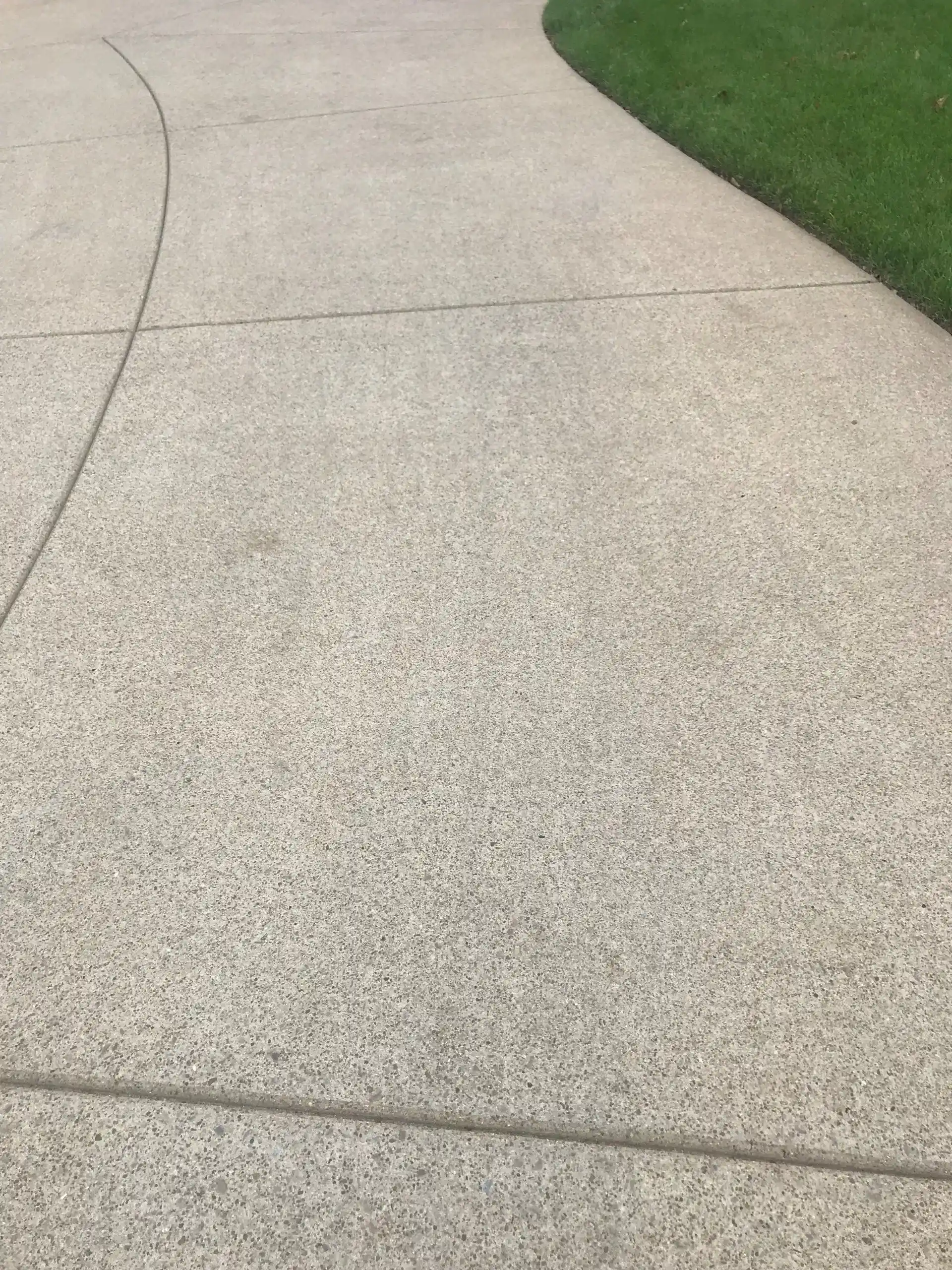
This guide helps you compare washed finish vs Top-Cast before choosing a textured concrete finish.
It covers:
For broader finish options, visit our decorative concrete finishes page.
For washed finish service details, visit our washed concrete finishes page.
For Top-Cast service details, visit our Top-Cast concrete finish page.
For more planning help, visit the Odell Concrete resource center.
There is no single best finish for every project.
Washed finish may be a better fit if you want:
Top-Cast may be a better fit if you want:
The right finish depends on the surface use, drainage, slope, desired texture, aggregate choice, maintenance expectations, and how the space will feel under daily use.
A washed concrete finish is a textured concrete finish where the surface paste is washed away to reveal aggregate near the top.
The final look depends on:
A washed finish is often used for:
Washed finish concrete can create a natural outdoor look. It is often chosen when property owners want more visual interest than plain concrete without choosing a stamped pattern.
For service details, visit our washed concrete finishes page.
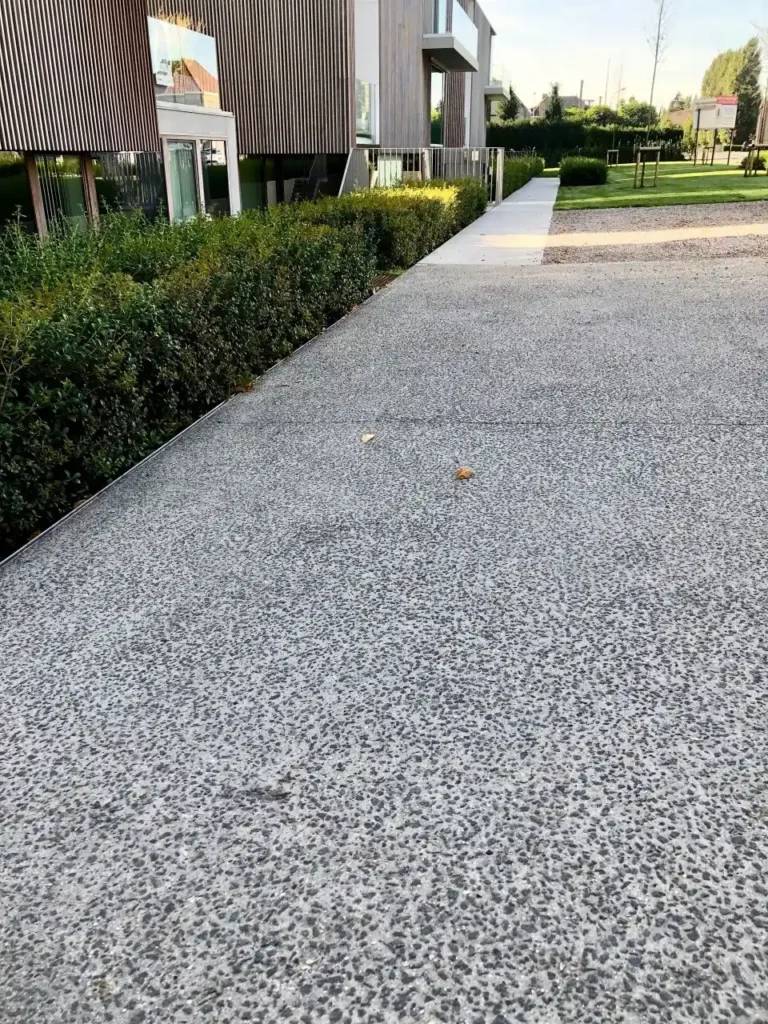
Top-Cast is a concrete finish created with a surface retarder. The retarder slows the set of the top layer so the surface can be exposed to a planned depth.
This helps create a more controlled exposed-aggregate finish.
Top-Cast can be used for:
A Top-Cast finish may be a strong choice when you want a specific texture level or a more refined exposed-aggregate result.
For service details, visit our Top-Cast concrete finish page.
Washed finish and Top-Cast can both expose aggregate, but they use different methods.
| Factor | Washed Finish | Top-Cast |
|---|---|---|
| Main Goal | Natural exposed-aggregate texture | Controlled exposed-aggregate texture |
| Surface Look | Organic and textured | More planned and refined |
| Exposure Control | Depends on timing, mix, and washing | Uses selected etch-depth planning |
| Texture Feel | Can vary by aggregate and washing | Can be selected more intentionally |
| Design Style | Natural outdoor look | Architectural outdoor look |
| Common Use | Patios, walkways, driveways, entries | Patios, walkways, entries, refined surfaces |
| Planning Focus | Aggregate, timing, washing, slope | Etch depth, aggregate, texture, slope |
Both finishes need proper site preparation. A weak base, poor slope, bad drainage, or rushed finish timing can cause problems with either surface.
A helpful way to compare these finishes is to think about control.
A washed finish usually gives a more natural exposed-aggregate result. It can look organic because the final texture depends on the mix, the aggregate, the timing, and the washing process.
Top-Cast gives more control over the exposure depth. This can help when the project needs a more consistent texture or a more refined surface.
A natural washed finish may be better when you want:
A controlled Top-Cast finish may be better when you want:
This controlled aggregate finish versus natural washed finish decision should be based on how the surface will look, feel, drain, and hold up under daily use.
Washed finish has a natural exposed-aggregate look.
It can feel more relaxed and organic because the final appearance depends on the washing process, aggregate, and finish timing.
Washed finish may be a good fit if you want:
Top-Cast has a more controlled exposed-aggregate look.
It can feel more refined because the exposure depth can be selected and planned before the pour.
Top-Cast may be a good fit if you want:
If you are also comparing stamped options, read our broom finish vs. stamped concrete guide.
Aggregate exposure is one of the biggest differences between washed finish and Top-Cast.
A washed finish can expose aggregate in a more natural way. The final result depends on how the surface is washed, the concrete mix, the timing, and the aggregate used.
Top-Cast helps control aggregate exposure by using a planned surface-retarder approach. This can make it easier to target a specific texture level.
Aggregate exposure can affect:
If you want a more natural exposed look, washed finish may be a good fit.
If you want a more controlled exposed look, Top-Cast may be the better fit.
Texture matters because outdoor concrete is used every day.
A washed finish can create a textured surface with visible aggregate. Depending on the exposure level, it may feel slightly rougher underfoot than a smoother concrete finish.
Top-Cast can be planned around a selected texture depth. A lighter etch may feel more subtle. A deeper etch may expose more aggregate and create a stronger texture.
Texture can affect:
For areas where people may walk barefoot, sit, dine, or move furniture, the finish should be chosen carefully.
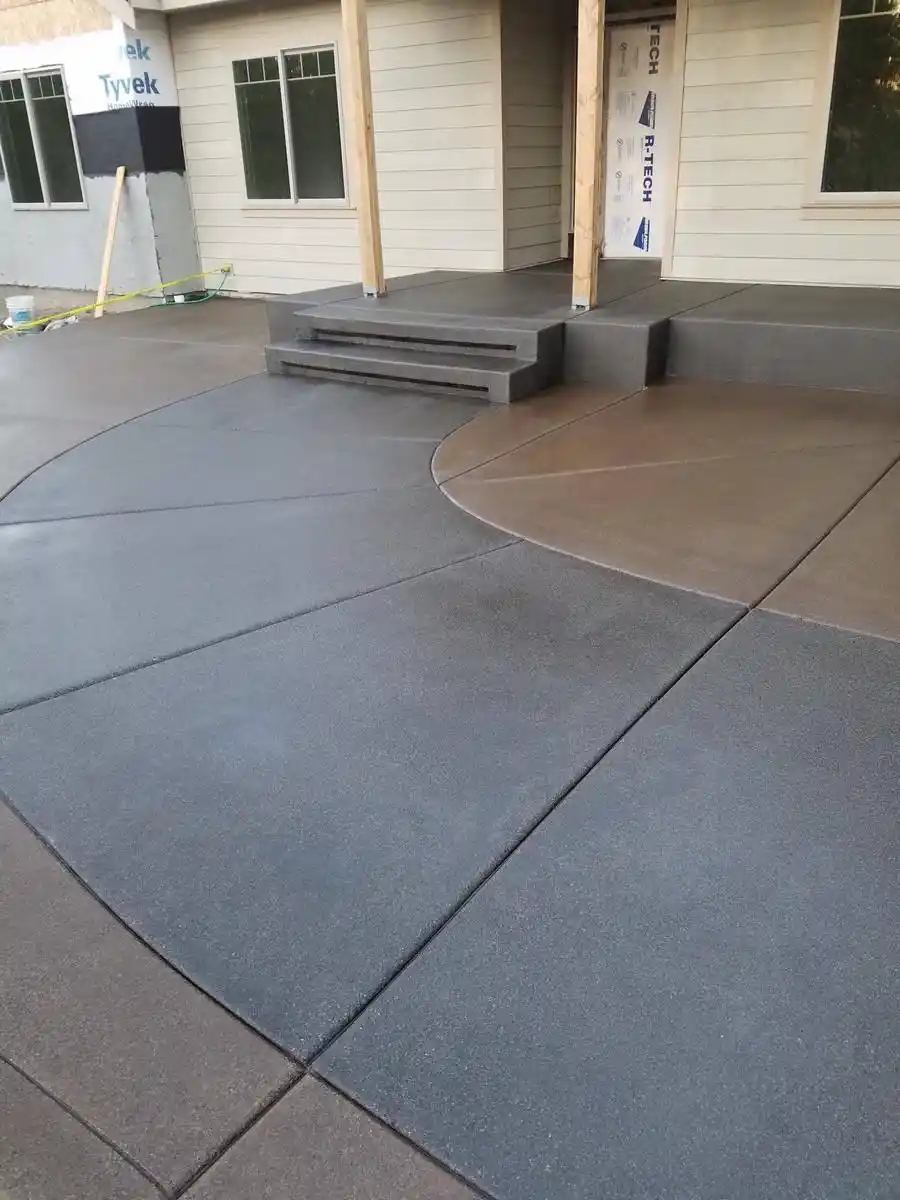
Top-Cast etch depth differences can affect how the surface looks and feels.
A lighter exposure may create a smoother, more subtle texture.
A deeper exposure may reveal more aggregate and create a stronger surface texture.
Etch depth can affect:
If you want a Top-Cast finish, the texture depth should match the surface use.
A walkway, patio, driveway, and entry may each need a different finish discussion.
A washed aggregate texture comparison should look at more than appearance.
The texture should also fit the way the surface will be used.
Ask these questions before choosing:
A deeper exposed-aggregate texture may look more dramatic, but it may also feel rougher and collect more debris.
A lighter texture may feel more comfortable and be easier to maintain.
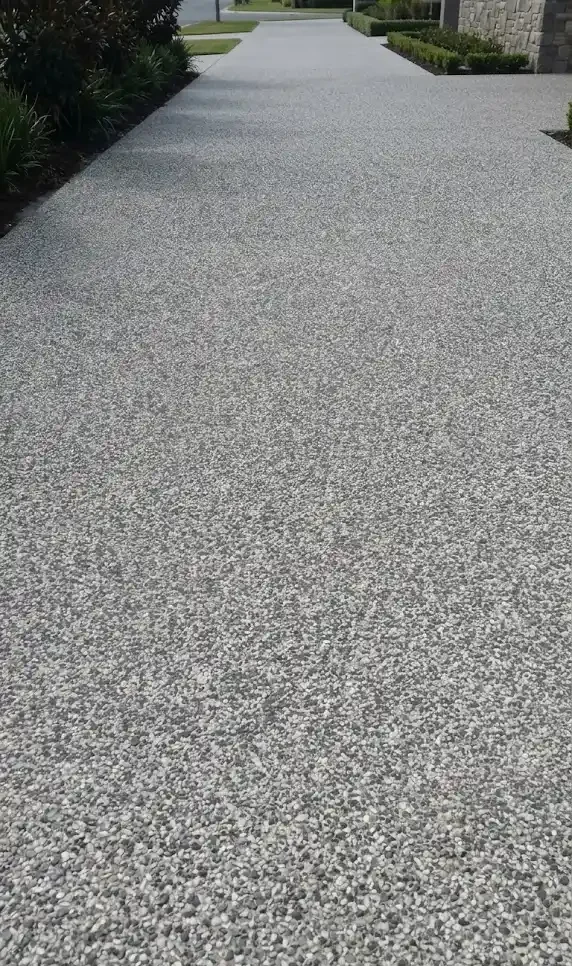
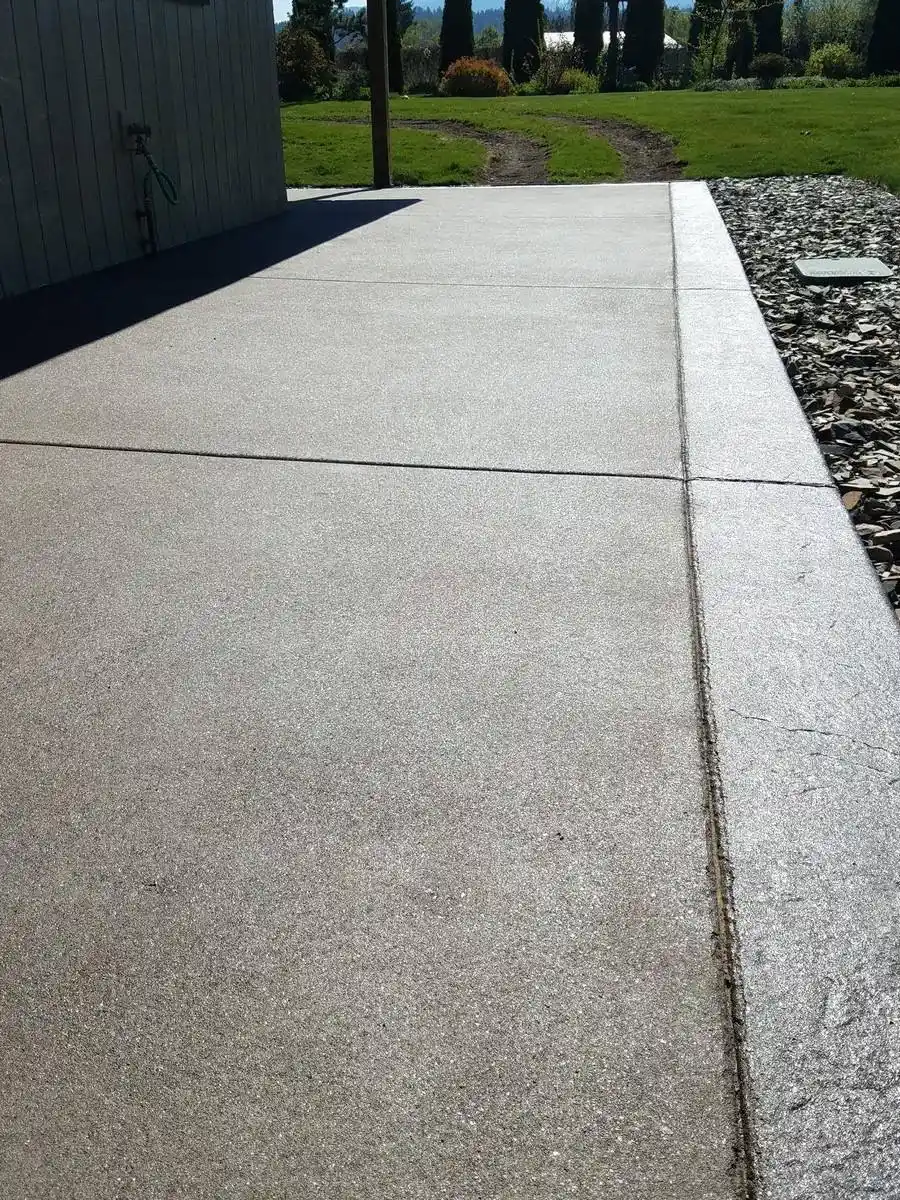
Both washed finish and Top-Cast can provide outdoor grip because they create texture.
Traction can depend on:
Washed finish may work well for outdoor surfaces where a natural texture is desired.
Top-Cast may work well when the texture level needs more planning.
Neither finish should be used to hide a drainage problem. If water sits on the surface, the site should be reviewed before the finish is chosen.
Read our guide on why water pools on concrete if the area already has standing water.
Cost depends on the full project, not just the finish.
Washed finish cost can depend on:
Top-Cast cost can depend on:
Top-Cast may require more planning around exposure level and finish control.
For patio pricing factors, read our concrete patio cost guide.
For driveway pricing factors, read our concrete driveway cost guide.
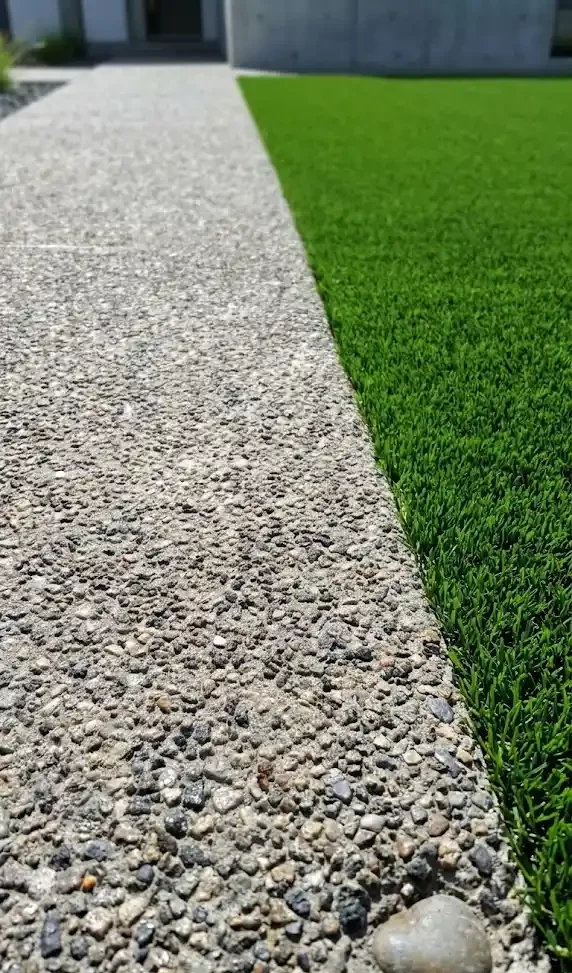
Washed finish and Top-Cast both start with poured concrete, but the finish process is different.
Washed finish installation may include:
Top-Cast installation may include:
Both finishes require careful timing. If the surface is washed or exposed at the wrong time, the final texture may not look or feel right.
For a full process overview, read our how concrete installation works guide.
Both finishes need care.
Washed finish maintenance may include:
Top-Cast maintenance may include:
Both finishes may need more cleaning attention than a smooth plain surface because textured concrete can hold dirt, leaves, and debris.
Maintenance depends on sun exposure, water exposure, traffic, landscaping, and how the area is used.
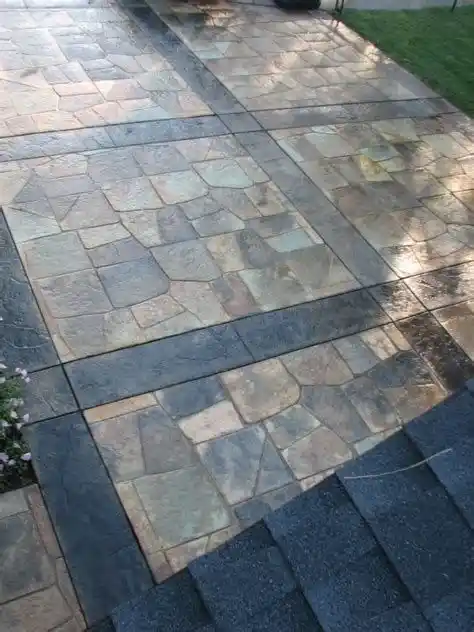
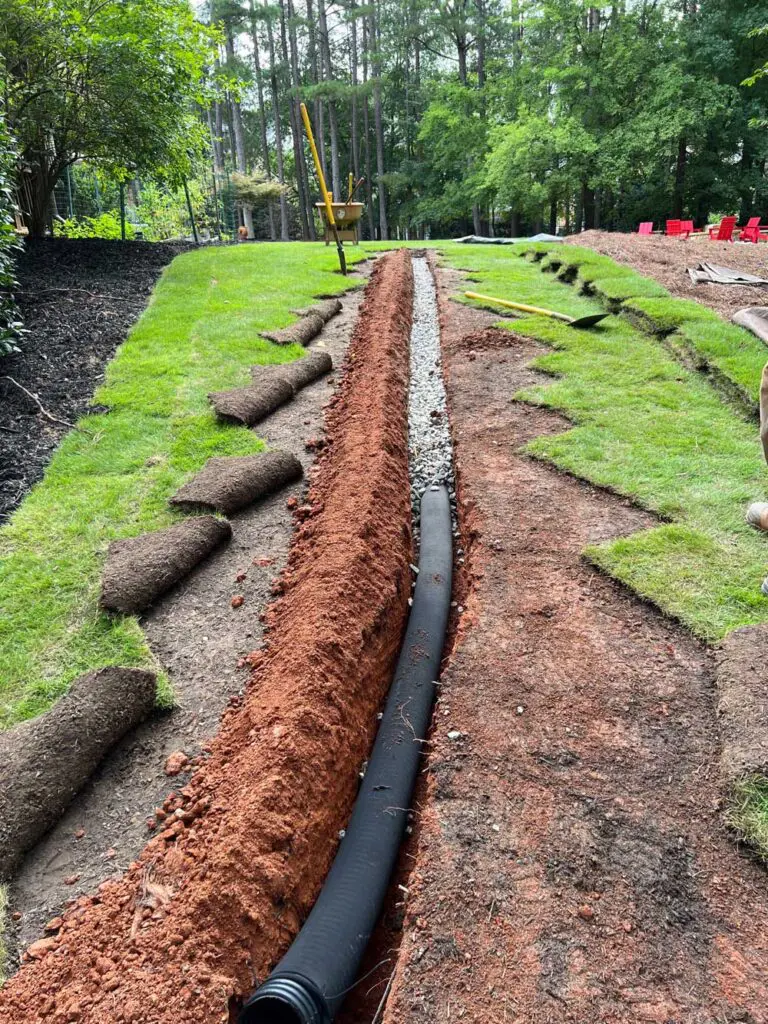
Drainage matters for both finishes.
Poor drainage can cause:
Washed finish needs the right slope so water moves away from doors, walkways, garages, and low areas.
Top-Cast also needs proper slope, especially when the selected texture may hold more surface water or debris.
If water already collects in the project area, drainage should be reviewed before choosing either finish.
For patio projects, read our drainage before concrete patio guide.
For drainage service details, visit our concrete drainage systems page.
Patios can use either finish.
Washed finish may work well for a patio when you want:
Top-Cast may work well for a patio when you want:
Before choosing a patio finish, think about:
For patio service details, visit our concrete patio construction page.
Driveways need a finish that works for vehicle use.
Washed finish can work well for driveways when you want:
Top-Cast can work well for driveways when you want:
Driveway finish planning should consider:
For driveway service details, visit our concrete driveway installation page.
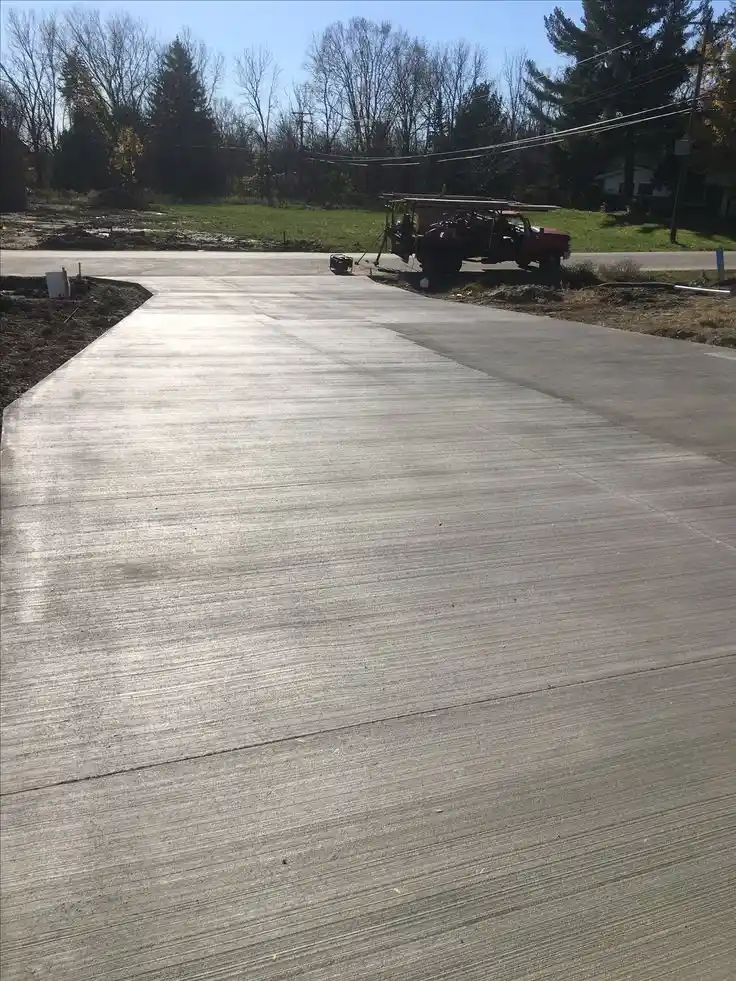
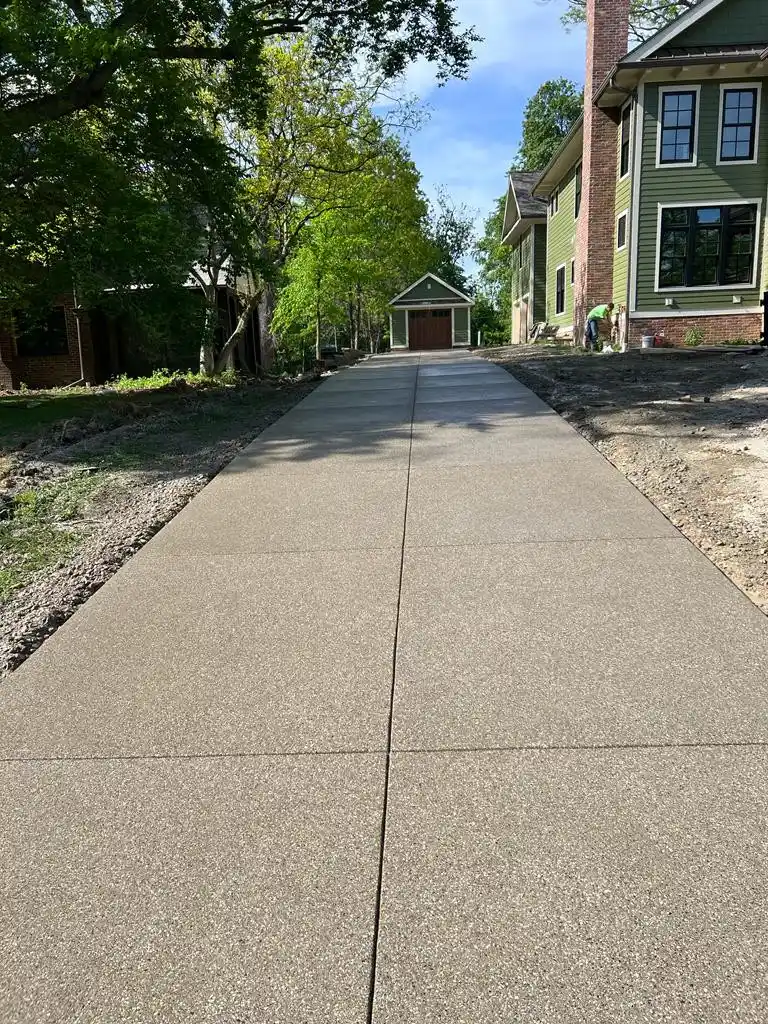
There is no fixed answer because every project is different.
Washed finish may cost more when the project includes:
Top-Cast may cost more when the project includes:
The better question is not only, “Which finish costs less?”
A better question is, “Which finish gives me the right mix of texture, appearance, comfort, traction, and long-term fit?”
Both finishes need regular care.
Washed finish may be easier if the exposure is light and the surface is not too rough.
Top-Cast may be easier to plan because the exposure level can be selected before installation.
Maintenance can depend on:
A deeper texture may collect more dirt and debris than a smoother finish.
If simple maintenance is a top priority, ask about the texture level before choosing the finish.
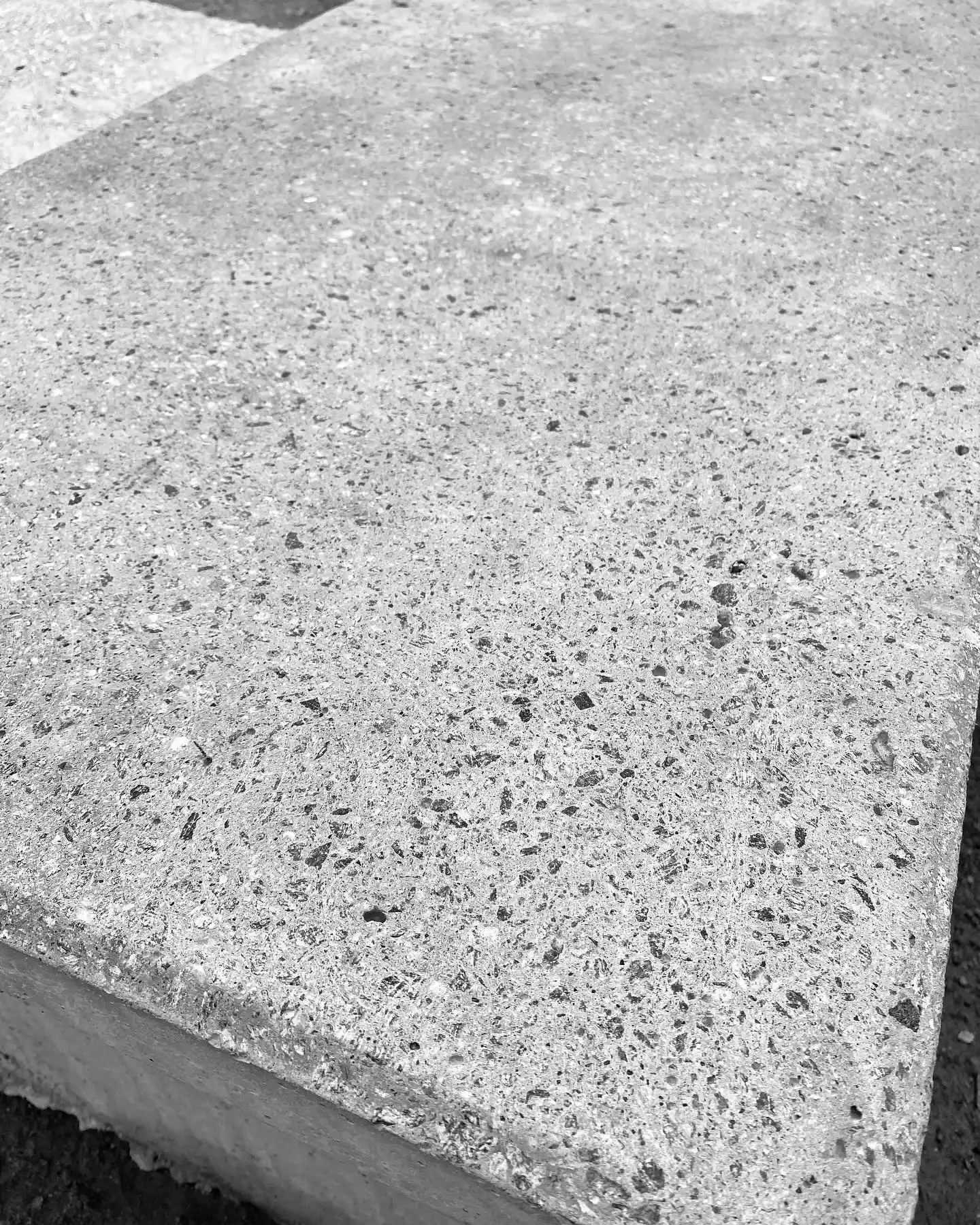
This depends on your property and design goals.
Washed finish has a natural exposed-aggregate look.
Top-Cast has a more controlled, architectural look.
Washed finish may fit better if you want:
Top-Cast may fit better if you want:
If you are comparing decorative pattern options, read our stamped concrete vs. pavers guide.
Surface comfort matters, especially for patios, entries, walkways, and outdoor living areas.
A washed finish can feel more natural, but the comfort level depends on the exposed aggregate and how much texture is created.
Top-Cast can be planned around a selected texture depth. This may help if you want a finish that balances grip and comfort.
Think about how people will use the space:
The finish should match real daily use, not only the look you want.
Neither finish fixes drainage by itself.
Washed finish can provide texture, but it still needs the right slope.
Top-Cast can provide controlled texture, but the surface still needs proper water flow.
Drainage should be reviewed first if the area has:
For grading service details, visit our grading page.
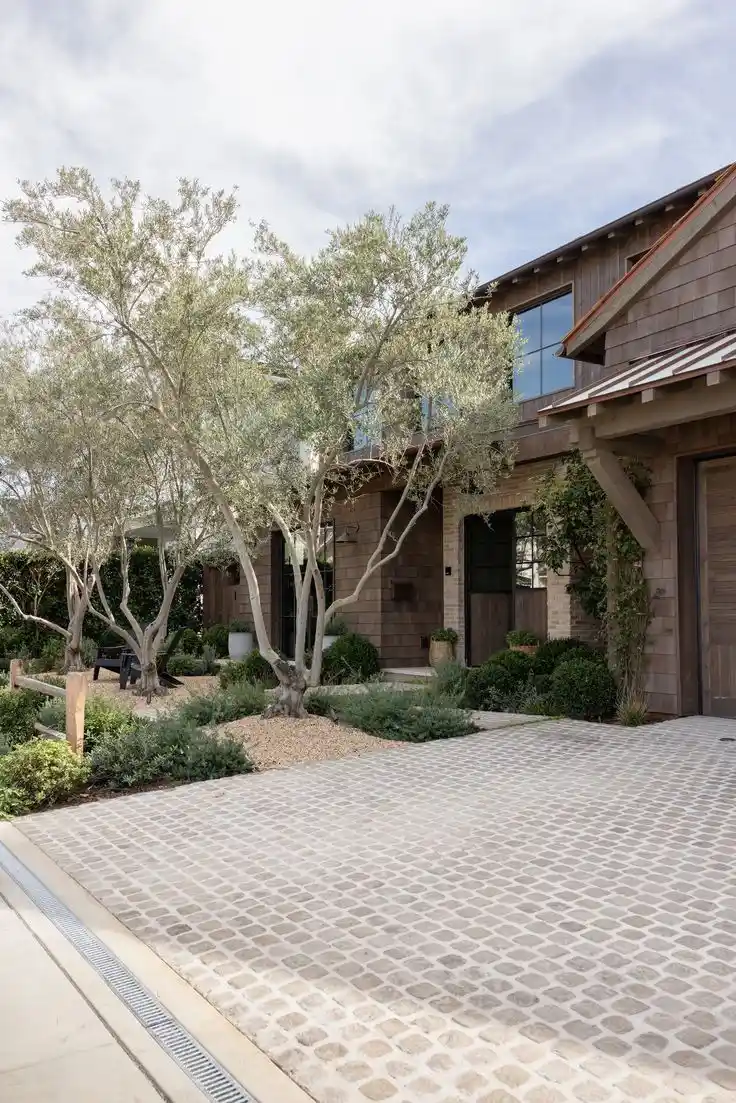
In Orange County, many concrete surfaces must handle sun exposure, foot traffic, vehicle use, water flow, outdoor furniture, landscaping, and daily wear.
Washed finish can work well for:
Top-Cast can work well for:
Before choosing, think about:
Washed finish may be the better fit because it creates a natural exposed-aggregate surface.
Top-Cast may be the better fit because the texture depth can be planned more intentionally.
Both finishes can work well. Washed finish gives a natural look. Top-Cast gives a more controlled look.
Top-Cast may be the better fit when the finish needs a more designed appearance.
Both finishes can provide grip when properly planned. The final traction depends on texture depth, aggregate exposure, slope, and water exposure.
A lighter texture may be easier to maintain than a deeper exposed-aggregate surface. Ask about texture depth before choosing.
It is easy to choose based only on photos. But the finish should match the site and how the surface will be used.
Common mistakes include:
A good finish should match the property, not just the picture.
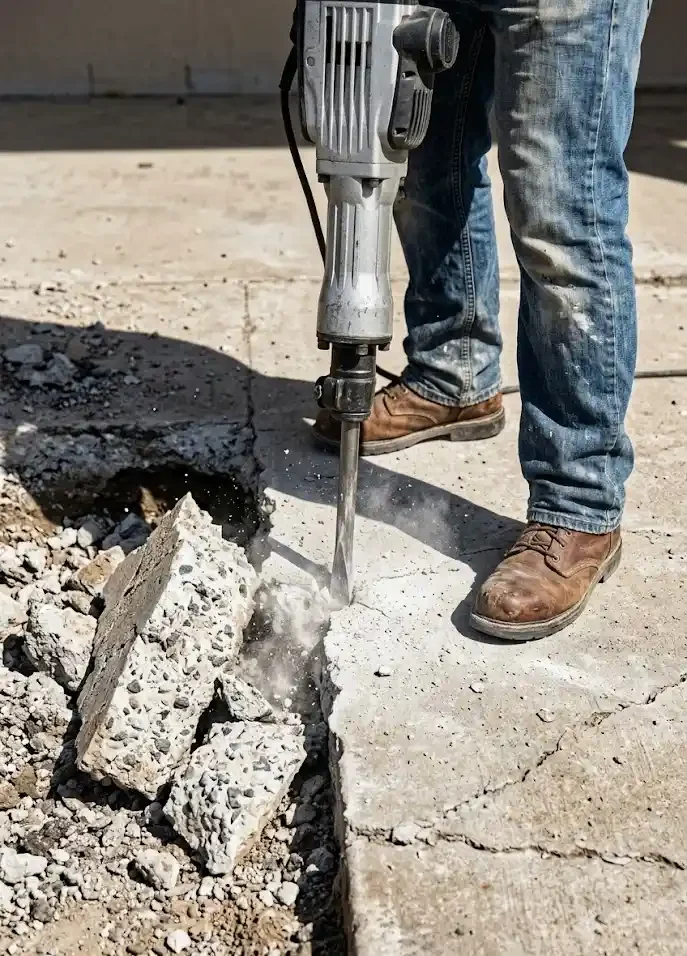
Old concrete can affect both washed finish and Top-Cast projects.
Old concrete may need removal if it is:
Removal can add demolition, hauling, disposal, grading, base preparation, and cleanup.
For service details, visit our demolition page.
Some concrete projects may involve city rules, HOA approval, property management review, or other property requirements.
This may matter when the project affects:
Read our concrete permits in Orange County guide for more planning details.
If the surface connects to an accessible route, visit our ADA concrete ramp requirements guide and ADA concrete work page.
You do not need to choose the final finish before calling.
Still, these details can help:
Clear photos are especially helpful when comparing washed finish and Top-Cast.
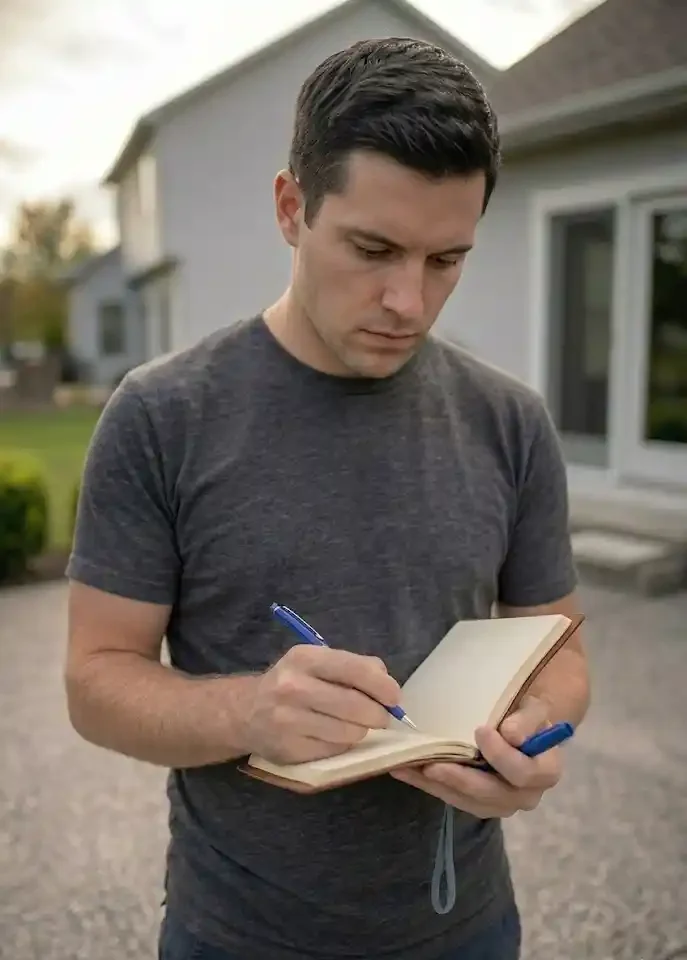
You may need an estimate if you are planning:
Call Odell Concrete at (714) 717-1771 to request a free estimate.
Use these related guides if you are still comparing options:
For all guides, visit the Odell Concrete resource center.
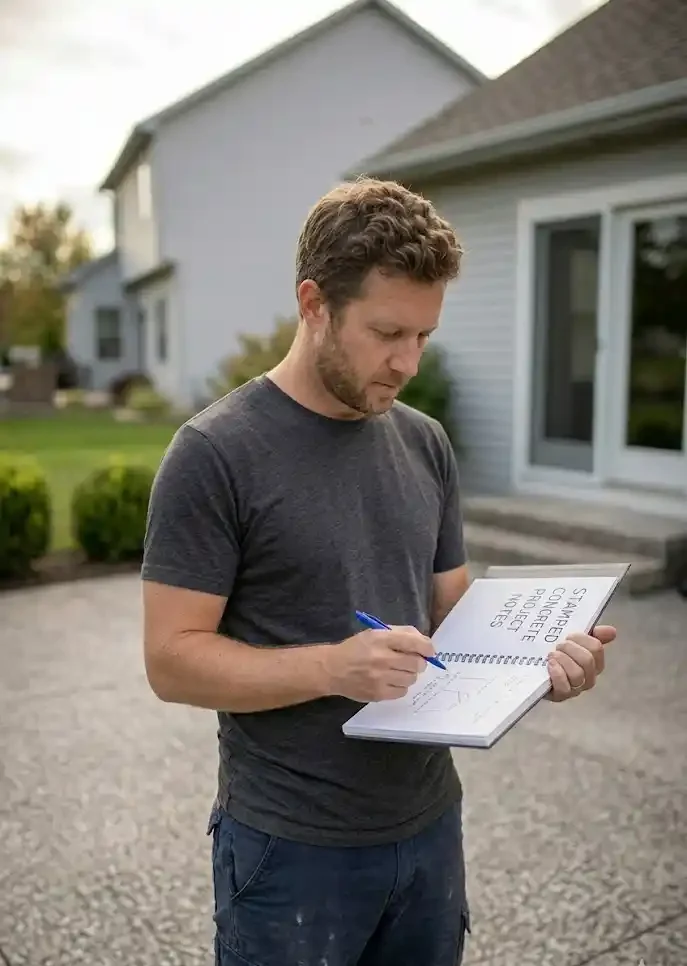
Need help choosing between washed finish and Top-Cast?
Call Odell Concrete at (714) 717-1771 to request a free estimate.
You can also visit the contact page and share your photos, approximate size, current surface condition, drainage concerns, access notes, finish preferences, and whether old concrete needs removal.
Washed finish usually exposes aggregate through washing and finishing methods. Top-Cast uses a surface retarder to help control how deeply the aggregate is exposed.
Top-Cast is one method used to create a controlled exposed-aggregate finish. Exposed aggregate can also be created through other washing, timing, or finishing methods.
It depends on the project. Washed finish may be better if you want a natural exposed-aggregate look. Top-Cast may be better if you want more control over texture depth and surface appearance.
Both finishes can provide traction because they expose texture at the surface. Final traction depends on aggregate exposure, texture depth, slope, water exposure, and maintenance.
Both can work well for patios. Washed finish may be a good choice for a natural outdoor look. Top-Cast may be a good choice when you want a more refined and controlled texture.
Both can work for driveways when the base, thickness, slope, drainage, and texture are planned correctly. The best choice depends on the desired look, vehicle use, and maintenance expectations.
It can, depending on the project. Top-Cast may require more planning around etch depth, exposure level, aggregate choice, and finish timing. Washed finish cost also depends on size, access, drainage, grading, and aggregate.
It depends on the texture and aggregate exposure. A lighter washed finish may feel more comfortable than a deeper exposed-aggregate surface.
Top-Cast comfort depends on the selected etch depth and aggregate exposure. A lighter exposure may feel smoother, while a deeper exposure may feel more textured.
A lighter texture is usually easier to clean and maintain than a deeper exposed-aggregate surface. Maintenance also depends on water exposure, trees, dirt, traffic, and sealer choice.
Etch depth describes how deeply the surface is exposed. A lighter etch shows less aggregate and may feel smoother. A deeper etch shows more aggregate and creates a stronger texture.
Both finishes may be considered for pool-adjacent areas, but texture, drainage, slope, comfort, and surface grip should be reviewed carefully before choosing the finish.
Send photos, approximate size, project type, current surface condition, drainage concerns, access notes, texture preferences, aggregate ideas, maintenance concerns, and whether old concrete needs removal.
Call Odell Concrete at (714) 717-1771 or visit the contact page to request a free estimate.
The right finish should match your property, budget, texture needs, design goals, drainage conditions, comfort expectations, and maintenance plans.
If you are comparing washed finish vs Top-Cast for a patio, driveway, walkway, entry, or outdoor surface, call Odell Concrete at (714) 717-1771 to request a free estimate.
Odell Concrete Construction, serving Southern California since 1976 with trusted, durable, and professional concrete solutions.
Copyright © 2026 Darren B Odell. All rights reserved