- cretemaster72@gmail.com
- Garden Grove, CA 92649
- Mon-Sun 7 AM–7 PM

Menu
Wondering if you need concrete permits Orange County approval before starting a driveway, patio, walkway, slab, drainage, grading, or concrete replacement project?
Permit requirements depend on the project type, city, property location, drainage impact, and whether the work affects a sidewalk, curb, driveway approach, public right-of-way, structure, or accessible route.
Some concrete projects are simple private flatwork. Others may need city review, county review, HOA approval, property management approval, or inspection.
This guide answers common Orange County concrete permit questions so you can plan your project with fewer surprises.
Odell Concrete has served Orange County since 1976. We help homeowners, HOAs, property managers, builders, and business owners plan concrete driveways, patios, walkways, foundations, drainage, grading, demolition, ADA concrete work, and decorative concrete finishes.
Established in 1976
Licensed & Insured
California Contractor License #1065525
Serving Orange County and nearby Southern California communities
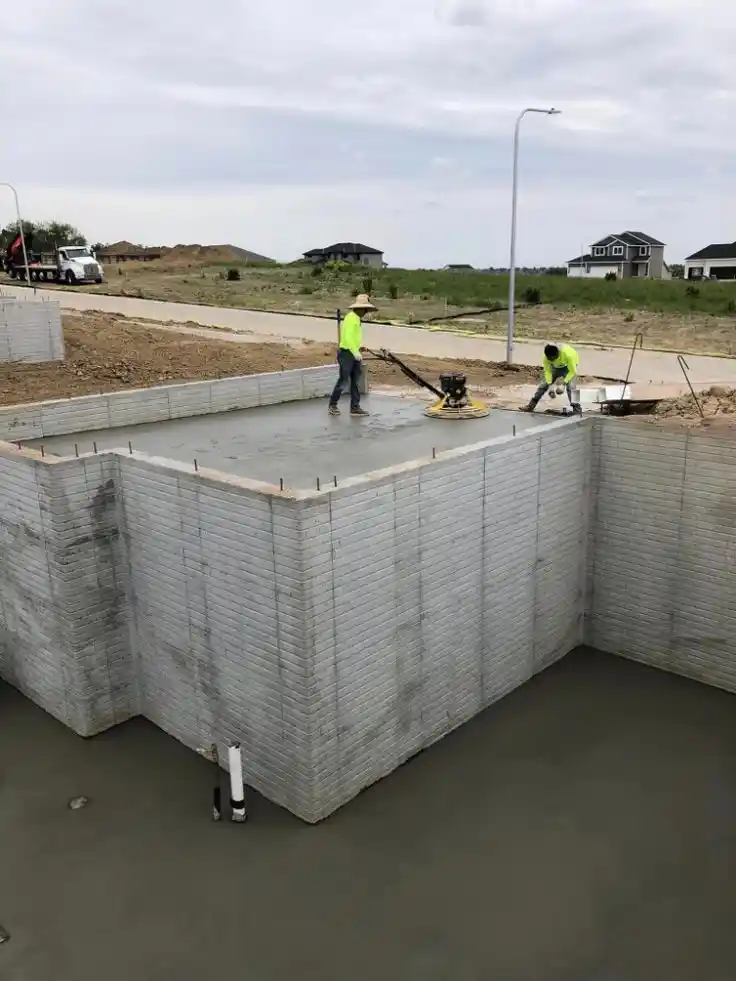
This guide helps you understand basic permit planning before starting concrete work.
It covers:
For general concrete service options, visit our concrete work page.
For more planning guides, visit the Odell Concrete resource center.
You may need permit review if the project affects:
Orange County Development Services explains that building permits provide formal permission to begin approved construction work in unincorporated Orange County and County-owned properties. The City of Orange also handles building permits through its own Civic Portal, which shows why permit processes can vary by jurisdiction. (OC Public Works)
The safest step is to check before work begins.
The best question is not only, “Do I need a permit?”
A better question is:
“Will this concrete project affect a regulated area, drainage path, structure, property line, public access route, or city-owned improvement?”
That question gives a better answer.
A small backyard surface may be different from a driveway approach. A simple patio may be different from a covered patio slab. A private walkway may be different from an accessible commercial route.
Permit needs depend on the actual scope.
A permit is a formal approval from a city, county, or other authority before certain construction work begins.
For concrete work, a permit may be connected to:
Santa Ana’s permit FAQ describes permits as official city documents or certificates that authorize specific activities and help ensure work follows code, ordinance, and safety requirements. (OC Public Works)
Not every concrete project has the same requirements.
Concrete work may need permit review when it involves:
If your project touches anything outside a simple private flatwork area, it is worth checking before work begins.
Some private flatwork may not always need a building permit, depending on the city, size, location, and scope.
This may include some:
But this is not a guarantee.
Even simple-looking work may need review if it affects drainage, slope, access, public sidewalks, driveway approaches, setbacks, easements, or property rules.
When in doubt, check before the work starts.
A concrete patio may or may not need permit review.
A basic uncovered patio in a private backyard may be treated differently from a patio that connects to a structure, affects drainage, supports posts, sits near the foundation, or is part of a larger remodel.
Permit review may be more likely when the patio includes:
For patio service details, visit our concrete patio construction page.
If water already collects in the area, read our drainage before concrete patio guide.
Driveway projects need careful permit review because they may affect private property and public improvements.
A driveway project may need review when it includes:
A private driveway replacement may be different from driveway approach work at the curb or street.
For driveway service details, visit our concrete driveway installation page.
For driveway cost planning, read our concrete driveway cost guide.
Driveway approach, sidewalk, curb, and gutter work often needs closer review because these areas may involve public right-of-way.
This may include:
The City of Orange Public Works permit page lists driveway approach policies and grading-related documents, including drainage report and grading permit materials, as part of its public works permit resources. (City of Orange)
If the project touches the sidewalk, curb, gutter, or public street connection, ask about permit requirements before work begins.
A private walkway may not always need the same review as a sidewalk or commercial access route.
Permit review may be more likely when the walkway:
For walkway service details, visit our concrete walkway contractor page.
If accessibility matters, visit our ADA concrete work page.
Concrete slabs and foundations often need more review than basic flatwork.
Permit review may be needed when the concrete supports:
Structural concrete should be reviewed before installation.
For foundation service details, visit our concrete foundation page.
For cost planning, read our concrete foundation cost guide.
Drainage and grading can affect more than the concrete surface.
Permit review may be needed when the project changes:
Even if the concrete itself seems simple, drainage and grading can change the permit conversation.
For drainage service details, visit our concrete drainage systems page.
For grading service details, visit our grading page.
If water already collects on your concrete, read our why water pools on concrete guide.
Before starting concrete work, ask these permit questions for concrete projects OC property owners often overlook:
These questions can help prevent delays before work begins.
Use this concrete project permits checklist before approving concrete work.
Item to Check | Why It Matters |
Project type | Driveway, patio, walkway, slab, foundation, drainage, or grading |
Property jurisdiction | City or unincorporated Orange County |
Public right-of-way | Sidewalk, curb, gutter, street, or driveway approach |
Drainage direction | Water flow can trigger review |
Grading changes | Elevation changes may require review |
Structural support | Foundations and slabs may need permits |
ADA access | Accessible routes may need code review |
HOA rules | HOA approval may be separate from city approval |
Plans or drawings | Some projects may need a site plan or details |
Inspections | Certain permitted work may require inspection |
Contractor license | Confirms contractor information |
Scope clarity | Helps avoid surprises after approval |
Do not wait until installation day to ask permit questions.
Orange County includes many cities and unincorporated county areas.
The correct permit office may depend on where the property is located.
You may need to check with:
If the property is in a city, start with that city.
If the property is in unincorporated Orange County, county review may apply.
Concrete permit rules can vary from one Orange County city to another.
A driveway, patio, sidewalk, slab, or drainage project in Anaheim may not follow the exact same process as a project in Garden Grove, Santa Ana, Orange, Huntington Beach, Irvine, Costa Mesa, Westminster, Fountain Valley, Fullerton, Tustin, or Newport Beach.
Permit review may depend on:
This is why a general guide can help you plan, but the final answer should come from the correct local authority.
HOA approval and city permits are different.
An HOA may review:
A city or county permit may review:
You may need both HOA approval and city permit review.
One does not automatically replace the other.
Commercial and multi-family concrete projects usually need more careful review than simple residential flatwork.
Permit review may be more likely when work affects:
For commercial concrete service details, visit our concrete work page.
For ADA-related concrete service details, visit our ADA concrete work page.
ADA and accessibility work can involve specific slope, landing, width, surface, and path-of-travel requirements.
Permit review may be needed when concrete work affects:
If the project connects to an accessible route, review requirements before concrete is installed.
For more planning details, read our ADA concrete ramp requirements guide.
Drainage can affect permit review because concrete changes how water moves.
A new concrete surface may send water toward:
Drainage should be reviewed before the pour.
A concrete surface should not create a new water problem.
For more details, read our why water pools on concrete guide.
Old concrete removal may reveal issues that affect the final scope.
After removal, the contractor may find:
If the project scope changes after demolition, permit or inspection needs may also change.
For demolition service details, visit our demolition page.
Permit submittal needs depend on the project, but you may be asked for:
Not every project needs all of this.
A small private walkway may be different from a driveway approach, foundation, drainage project, or commercial access route.
Permit responsibility should be discussed before work begins.
Ask:
Do not assume permit handling is included unless the estimate or agreement says so.
For more hiring questions, read our what to ask a concrete contractor guide.
Unpermitted work can create problems later.
Possible issues may include:
It is usually better to ask before the project starts.
Driveway replacement may need review if the project affects the driveway approach, sidewalk, curb, gutter, drainage, street connection, or public right-of-way.
For repair-or-replacement planning, read our concrete driveway repair vs. replacement guide.
A patio may need review if it affects drainage, supports a structure, connects to a covered patio, sits near the foundation, or is part of a larger property improvement.
For patio planning, visit our concrete patio construction page.
A private walkway may be simple, but a walkway connected to public access, commercial access, ADA access, or a public sidewalk may need review.
For walkway service details, visit our concrete walkway contractor page.
Foundation and structural slab work often needs plan review, inspections, and code-compliant installation.
For foundation service details, visit our concrete foundation page.
Drainage and grading can affect water flow, neighboring properties, public areas, and building-adjacent areas.
For service details, visit our grading page and concrete drainage systems page.
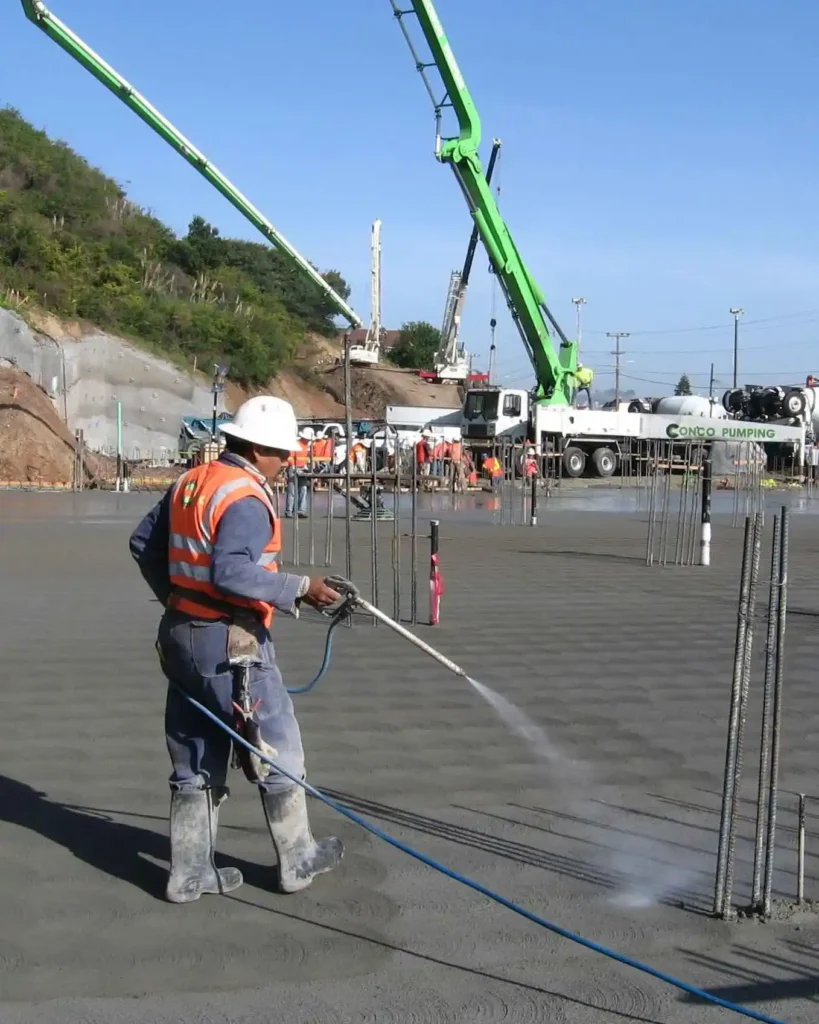
Avoid these common mistakes:
Good permit planning can prevent delays, extra costs, and rework.
Before approving the estimate, ask:
A clear answer now is better than a delay later.
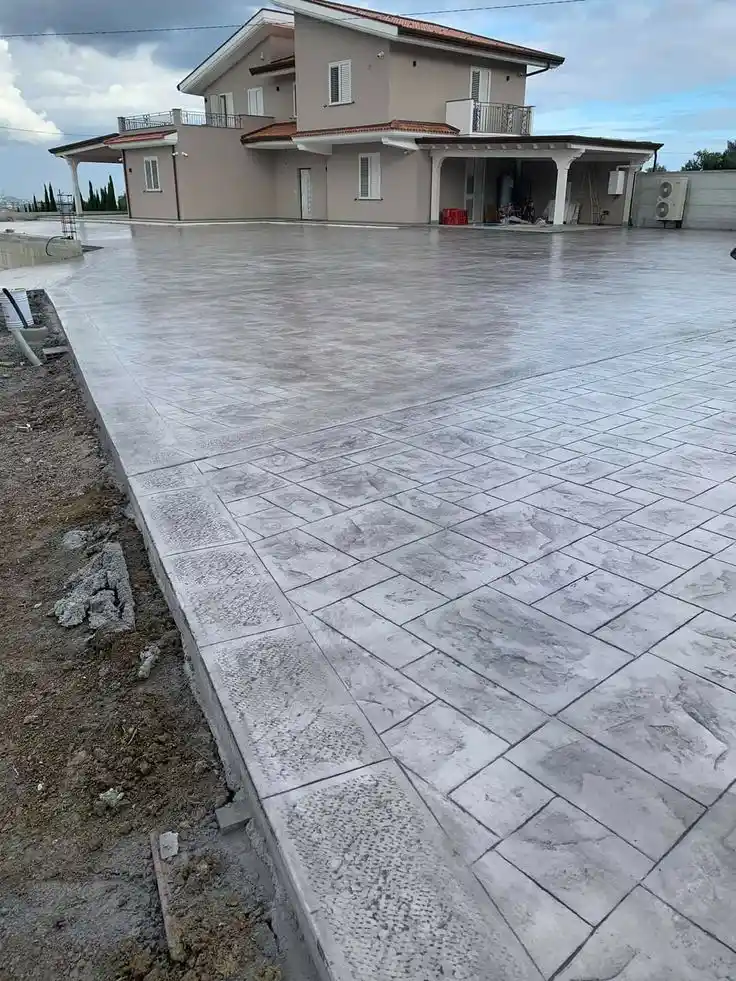
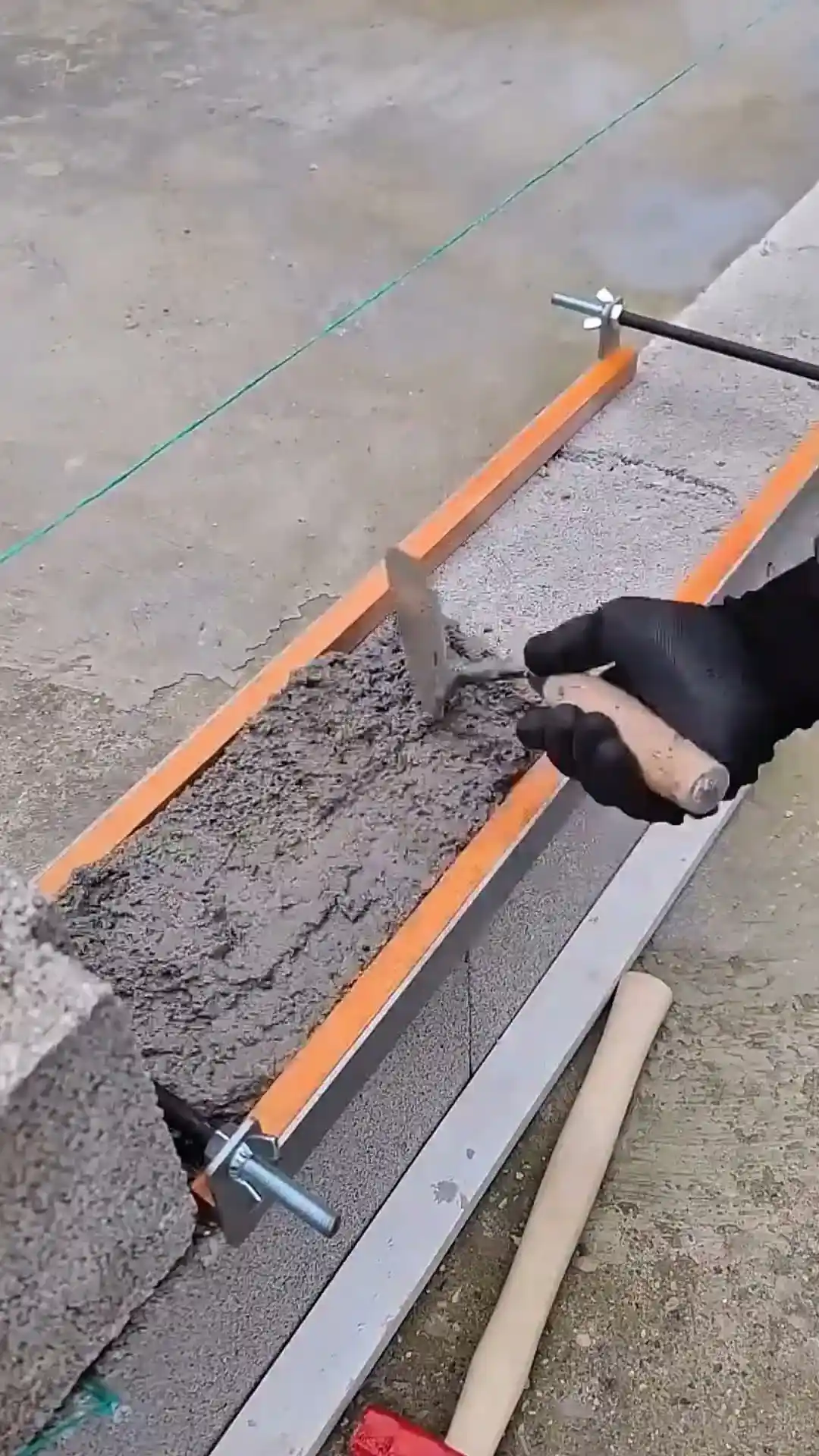
Once permit questions are handled, the concrete project can move into installation planning.
The process may include:
For a full process overview, read our how concrete installation works guide.
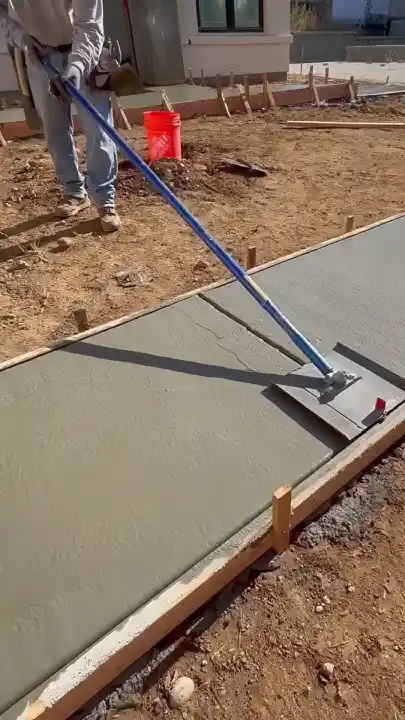
Permit-related cost factors may include:
The concrete price and the permit-related cost may not be the same thing.
Ask what is included.
You do not need to know whether a permit is required before calling.
Still, these details can help:
Clear photos are especially helpful for reviewing access, drainage, and possible permit concerns.
You may need a concrete estimate if you are planning:
Call Odell Concrete at (714) 717-1771 to request a free estimate.
Use these related guides if you are still planning your project:
For all guides, visit the Odell Concrete resource center.
Need help planning a driveway, patio, walkway, slab, foundation, drainage project, grading work, old concrete removal, ADA concrete work, or decorative concrete finish?
Call Odell Concrete at (714) 717-1771 to request a free estimate.
You can also visit the contact page and share your photos, approximate size, current surface condition, drainage concerns, access details, finish preferences, and any permit or HOA notes.
It depends on the project. Permit review may be needed if the work affects a driveway approach, sidewalk, curb, gutter, public right-of-way, drainage, grading, foundation, structural slab, ADA route, commercial access, or city-regulated improvement.
Some simple private patios may not need the same review as structural work, but a patio may need review if it affects drainage, supports a structure, sits near the foundation, connects to other improvements, or is part of a larger project.
A private driveway replacement may be different from driveway approach work. Permit review is more likely when the project affects the driveway approach, sidewalk, curb, gutter, public right-of-way, drainage, or street connection.
Driveway approach work often needs approval because it may affect public right-of-way, sidewalk, curb, gutter, or street access. Check with the correct city or county office before work begins.
Some private walkways may not need the same review as public sidewalks or accessible routes. Permit review may be needed if the walkway affects drainage, public access, ADA access, commercial access, or a public sidewalk connection.
Concrete slabs may need permits when they support a structure, equipment, posts, foundations, additions, ADUs, patio covers, or other structural loads. Basic flatwork and structural slabs should not be treated the same.
Drainage work may need review if it changes runoff, grading, outlets, public drainage, or water flow toward nearby property, streets, sidewalks, or structures. The correct answer depends on the city, county area, and project scope.
No. HOA approval and city or county permits are different. You may need HOA approval for appearance and community rules, while the city or county may review code, drainage, safety, right-of-way, or inspection requirements.
Permit responsibility should be discussed before work begins. Ask whether the contractor helps with permit review, who submits documents, who pays fees, and who schedules inspections if they are required.
Unpermitted work can lead to delays, fines, correction orders, inspection issues, HOA problems, property-sale complications, or the need to remove and redo work.
Send photos, approximate size, city or community name, project type, current surface condition, drainage concerns, whether the work touches a sidewalk or driveway approach, and any HOA, city, or permit notes.
Call Odell Concrete at (714) 717-1771 or visit the contact page to request a free estimate.
Permit questions are easier to handle before concrete work begins.
If you have concrete permits Orange County questions or need help planning a driveway, patio, walkway, slab, foundation, grading, drainage, ADA concrete, or decorative concrete project, call Odell Concrete at (714) 717-1771 to request a free estimate.
Odell Concrete Construction, serving Southern California since 1976 with trusted, durable, and professional concrete solutions.
Copyright © 2026 Darren B Odell. All rights reserved