- cretemaster72@gmail.com
- Garden Grove, CA 92649
- Mon-Sun 7 AM–7 PM

Menu
Wondering how long before driving on new concrete?
New concrete may look dry before it is ready for regular use. For many standard residential driveways, light foot traffic may be allowed after the first day or two, and passenger vehicles are often kept off for about a week. Heavy vehicles usually need more time.
Concrete continues gaining strength after it is poured, so the first month matters.
This new driveway curing time guide explains when can I use new concrete driveway surfaces, what affects curing time, what to avoid, and how to protect new concrete after installation.
Odell Concrete has served Orange County since 1976. We help homeowners, HOAs, property managers, builders, and business owners plan concrete driveways, patios, walkways, slabs, grading, drainage, demolition, and decorative concrete finishes.
Established in 1976
Licensed & Insured
California Contractor License #1065525
Serving Orange County and nearby Southern California communities
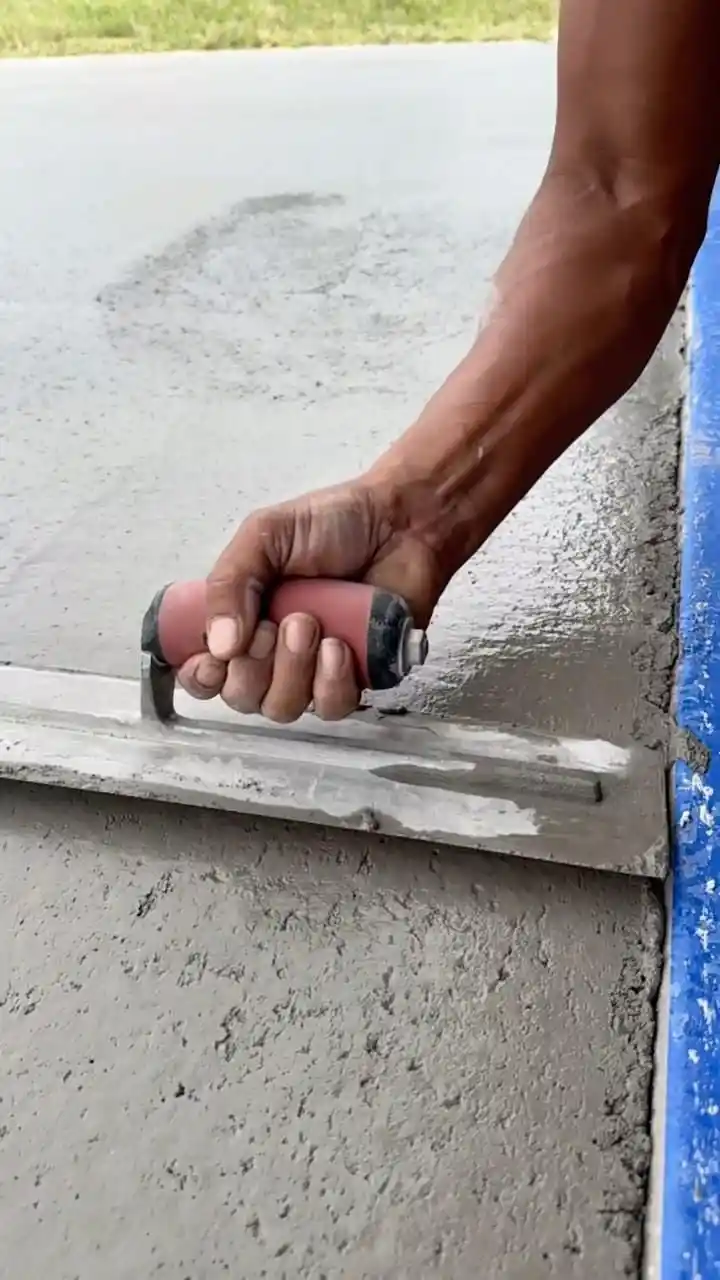
This guide helps you understand when and how to use new concrete after installation.
It covers:
For driveway service details, visit our concrete driveway installation page.
For the full installation process, read our how concrete installation works guide.
For more planning help, visit the Odell Concrete resource center.
Most property owners should wait until the contractor says the driveway is ready.
As a general planning guide:
Time After Pour | What May Be Allowed |
First 24 hours | Keep people, pets, furniture, and vehicles off the surface |
24–48 hours | Light foot traffic may be allowed if the contractor approves |
About 7 days | Many standard residential driveways may handle passenger vehicles if conditions are right |
About 28 days | Concrete is commonly treated as reaching its standard strength-measurement age |
More than 28 days | Heavy trucks, dumpsters, RVs, equipment, and delivery vehicles may need extra caution |
This timeline is not a guarantee.
Curing time can change based on weather, concrete mix, slab thickness, finish type, drainage, shade, sun exposure, and vehicle weight.
Concrete can look dry before it is ready for regular use.
Drying means the surface looks less wet.
Curing means the concrete is gaining strength.
This difference matters because a driveway can look finished but still be vulnerable to:
New concrete needs time before it can safely handle daily vehicle use.
A new concrete driveway needs extra care during the first few days and weeks.
The first day is the most sensitive period.
Avoid:
Fresh concrete can mark, dent, scratch, or scuff during this time.
After the first day or two, light foot traffic may be allowed if the contractor approves.
Still avoid:
The surface may look hard, but it is still gaining strength.
During this period, concrete continues to cure.
You may be able to walk on it, but you should still avoid vehicle traffic unless your contractor says otherwise.
Avoid:
This is when many homeowners get impatient. Waiting helps protect the driveway.
Many standard residential concrete driveways may be ready for normal passenger vehicles around this point if the weather, mix, thickness, base, and finish conditions are right.
Even then, use care.
For the first uses:
A new driveway is stronger after a week than it was on day one, but it is still not fully cured.
Concrete is commonly measured for strength at 28 days.
That does not mean the surface was unusable before then, but it does mean the first month should be treated carefully.
By this point, the driveway is usually better prepared for normal use.
Still, heavy loads should be discussed with the contractor.
Heavy use may include:
The answer depends on what kind of use you mean.
Light foot traffic may be allowed after the first 24 to 48 hours if the surface is firm and the contractor approves.
Avoid hard twisting, dragging, scraping, or heavy foot traffic early.
For many standard residential driveways, passenger cars may be allowed after about 7 days.
Always follow the contractor’s instructions.
The driveway may need more time if:
Parking puts steady pressure on the same area.
Even if driving is allowed, parking should still be done carefully at first.
Avoid:
Slow, gentle use is better than hard turns and repeated stress.
Heavy vehicles should wait longer.
This may include:
Heavy loads can damage concrete that is still gaining strength.
If a heavy vehicle must enter the driveway, ask the contractor first.
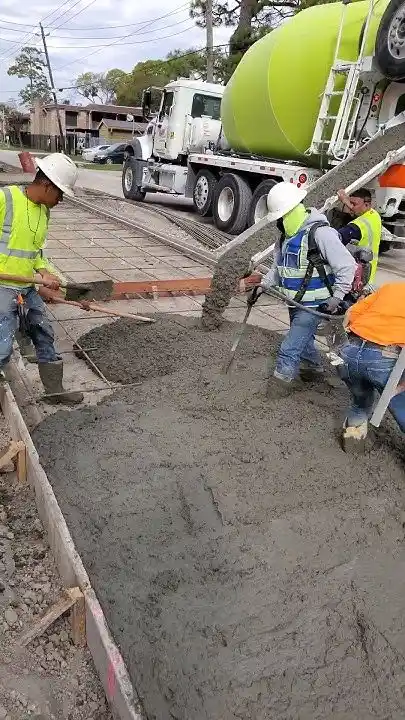
Vehicle use after new concrete pour should be careful and gradual.
When the driveway is ready for passenger vehicles:
Edges are often more vulnerable than the center of the slab.
Be careful near:
If the driveway connects to other concrete surfaces, those transitions should also be protected.
Concrete curing time is not the same for every project.
Several factors can change how soon the surface can be used.
Weather has a major effect on curing.
Curing may be affected by:
Hot weather can dry the surface quickly. Cool weather can slow strength gain.
This is why local conditions matter.
Different concrete mixes can perform differently.
The mix may affect:
The contractor’s guidance should always come before a general online timeline.
A driveway used for vehicles needs enough thickness for the expected load.
Thickness can affect:
A driveway for passenger cars is different from a driveway that regularly handles work trucks, RVs, trailers, or delivery vehicles.
The base below the driveway matters.
A strong base helps support the new concrete.
A weak base can lead to:
For driveway planning, visit our concrete driveway installation page.
Water can affect new and old concrete.
Poor drainage can lead to:
If the driveway area has water problems, read our guide on why water pools on concrete.
For service details, visit our concrete drainage systems page.
The finish can affect how the surface should be protected.
Common driveway finishes may include:
Decorative finishes may need extra care during early curing.
To compare finish options, read:
For finish service details, visit our decorative concrete finishes page.
These new concrete driveway curing tips can help protect the surface.
Always follow your contractor’s instructions first.
Helpful tips may include:
The safest approach is simple: use the new concrete gently at first.
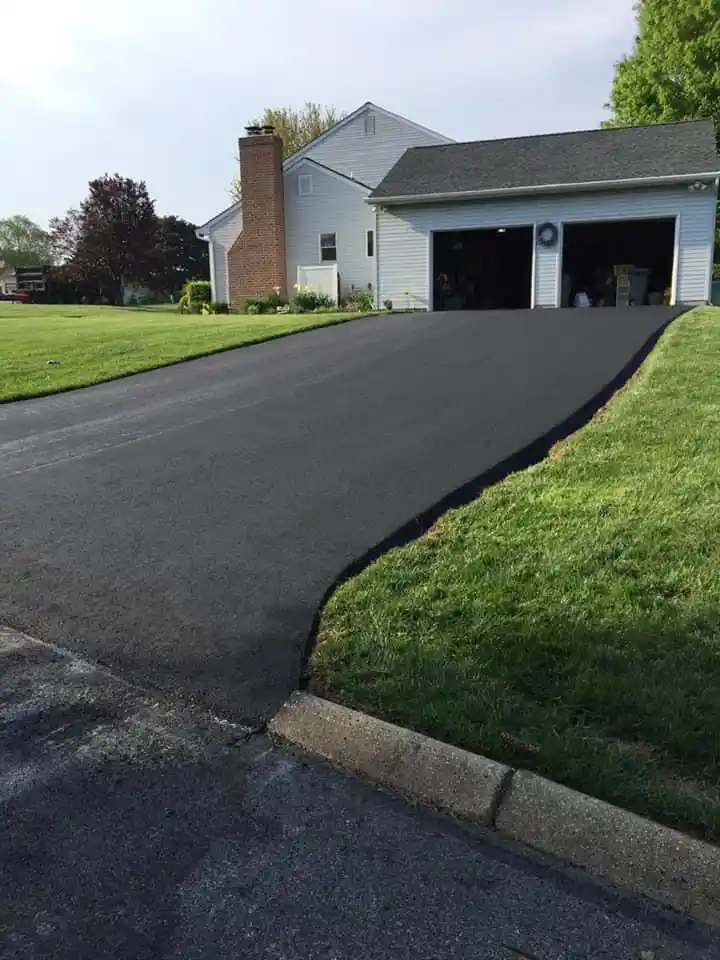
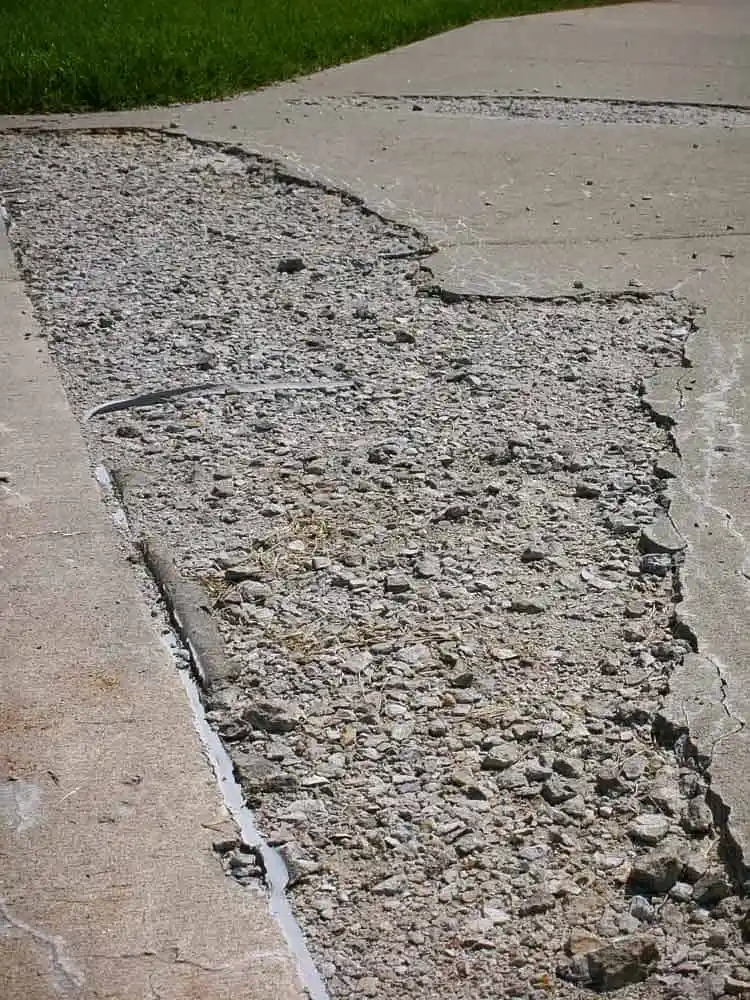
New concrete can be damaged by early stress.
Avoid:
Early damage can be hard to fix because it may affect the surface finish.
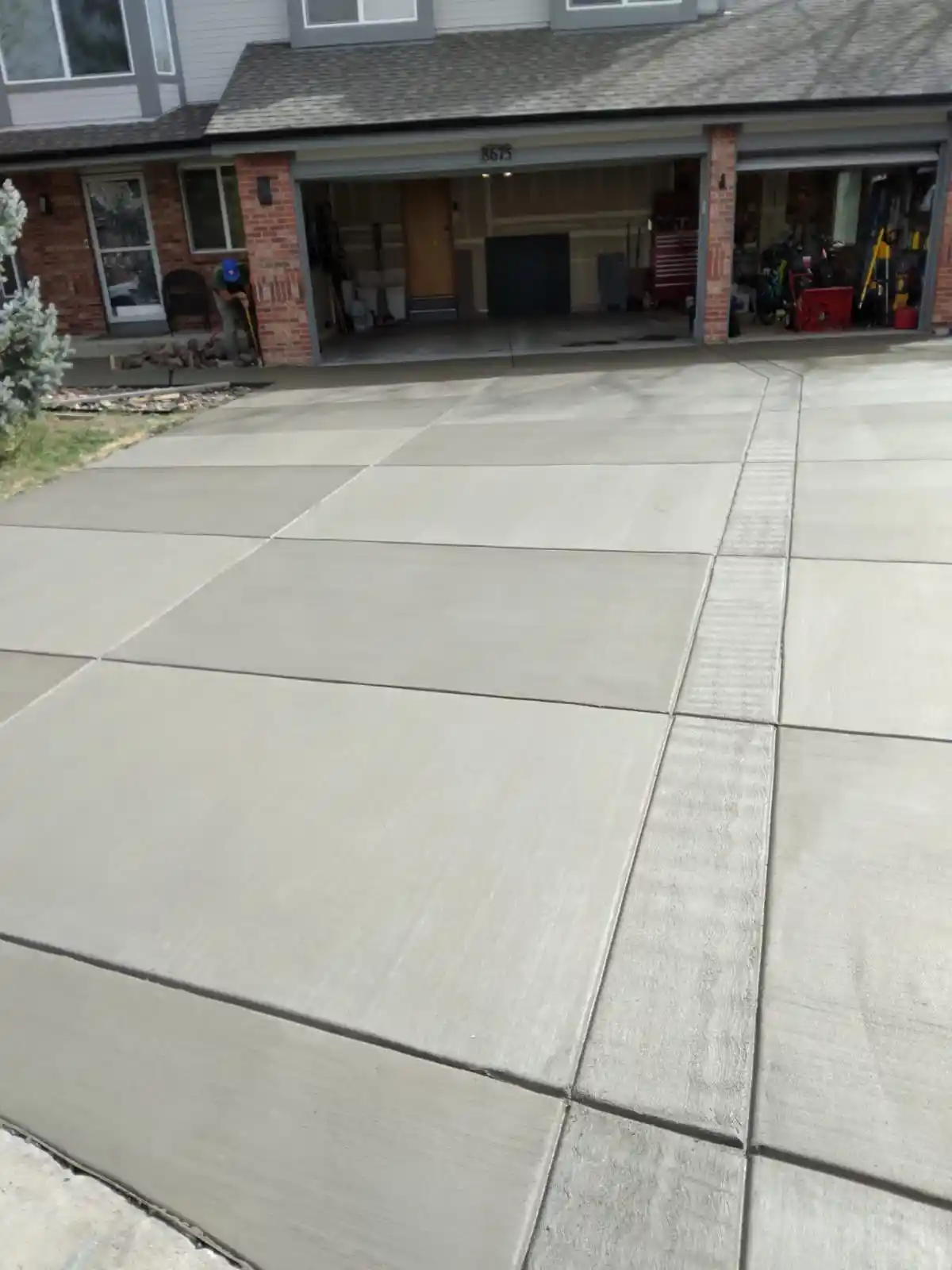
Driving too soon can damage the driveway before it has enough strength.
Possible problems include:
If someone drove on the driveway too early, do not try to repair it yourself.
Take photos and ask the contractor to review the surface.
Furniture timing depends on the project, surface finish, weight, and contractor instructions.
Light furniture may be allowed earlier than vehicles, but you still need care.
Avoid placing:
Use extra caution with decorative concrete, stamped concrete, washed finishes, and Top-Cast finishes.
For patio service details, visit our concrete patio construction page.
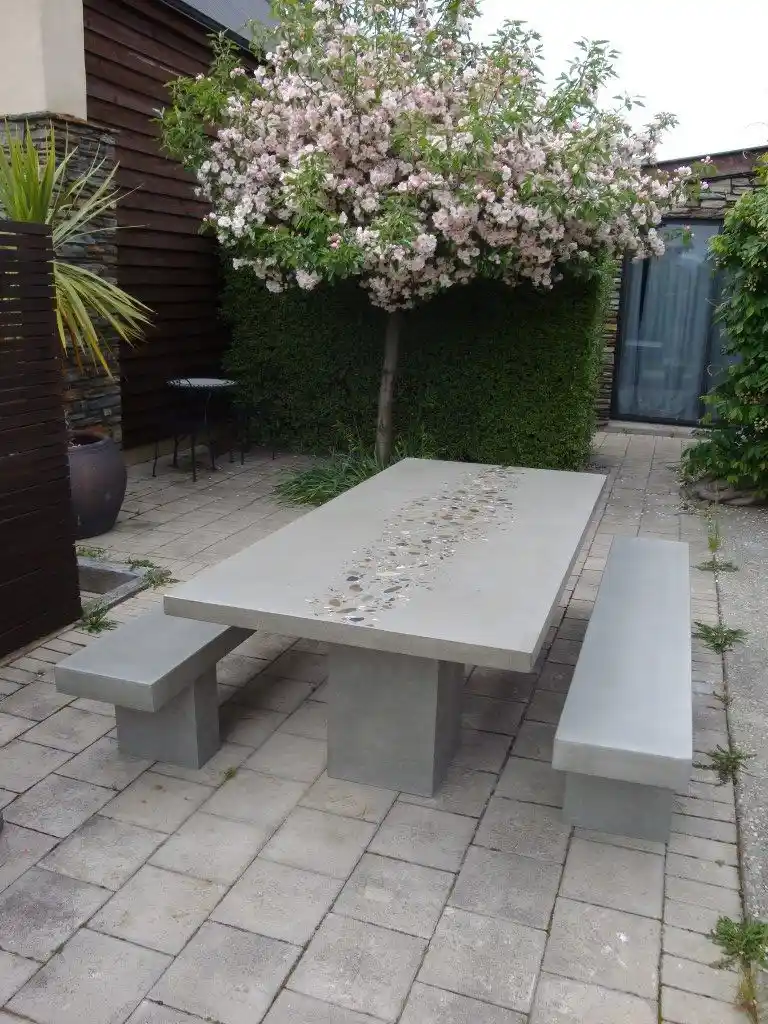
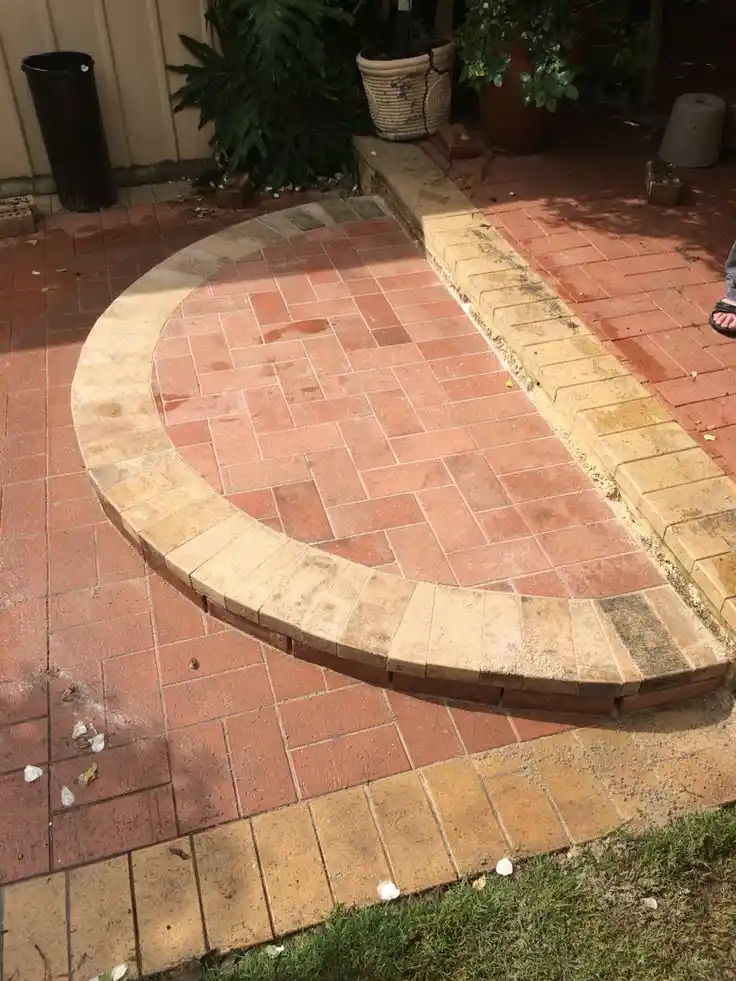
Patio curing steps are similar to driveway curing, but the use is different.
A patio may not carry vehicles, but it may support furniture, grills, planters, foot traffic, and outdoor living use.
After a new patio is installed:
If drainage was a concern before the patio was poured, read our drainage before concrete patio guide.
Do not pressure wash new concrete too early.
A strong stream of water can damage the surface before it has fully hardened.
Light cleaning may be allowed only when the contractor says it is safe.
Avoid:
If the surface gets dirty early, ask the contractor how to clean it safely.
Sealing time depends on the concrete, finish, product, weather, and contractor instructions.
Some surfaces should not be sealed too soon.
Sealer timing may depend on:
Do not apply sealer without confirming the right timing.
The wrong timing can affect appearance and performance.
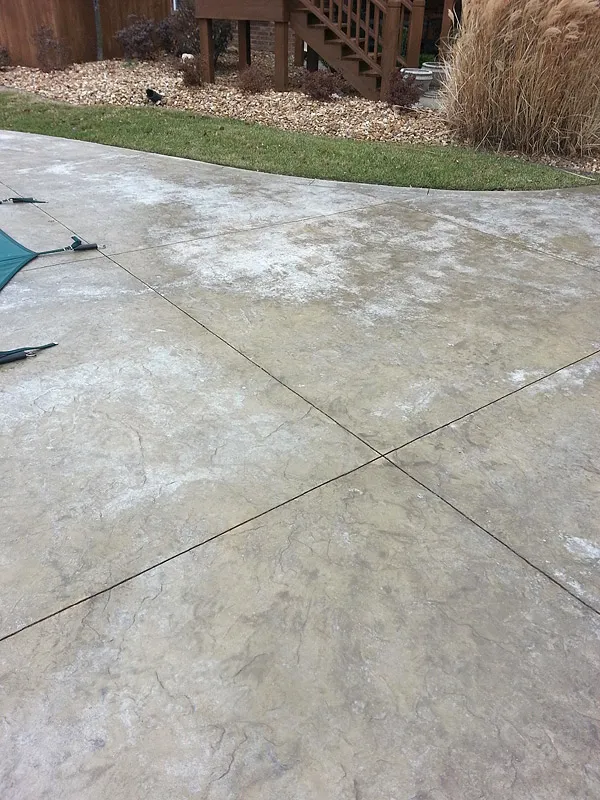
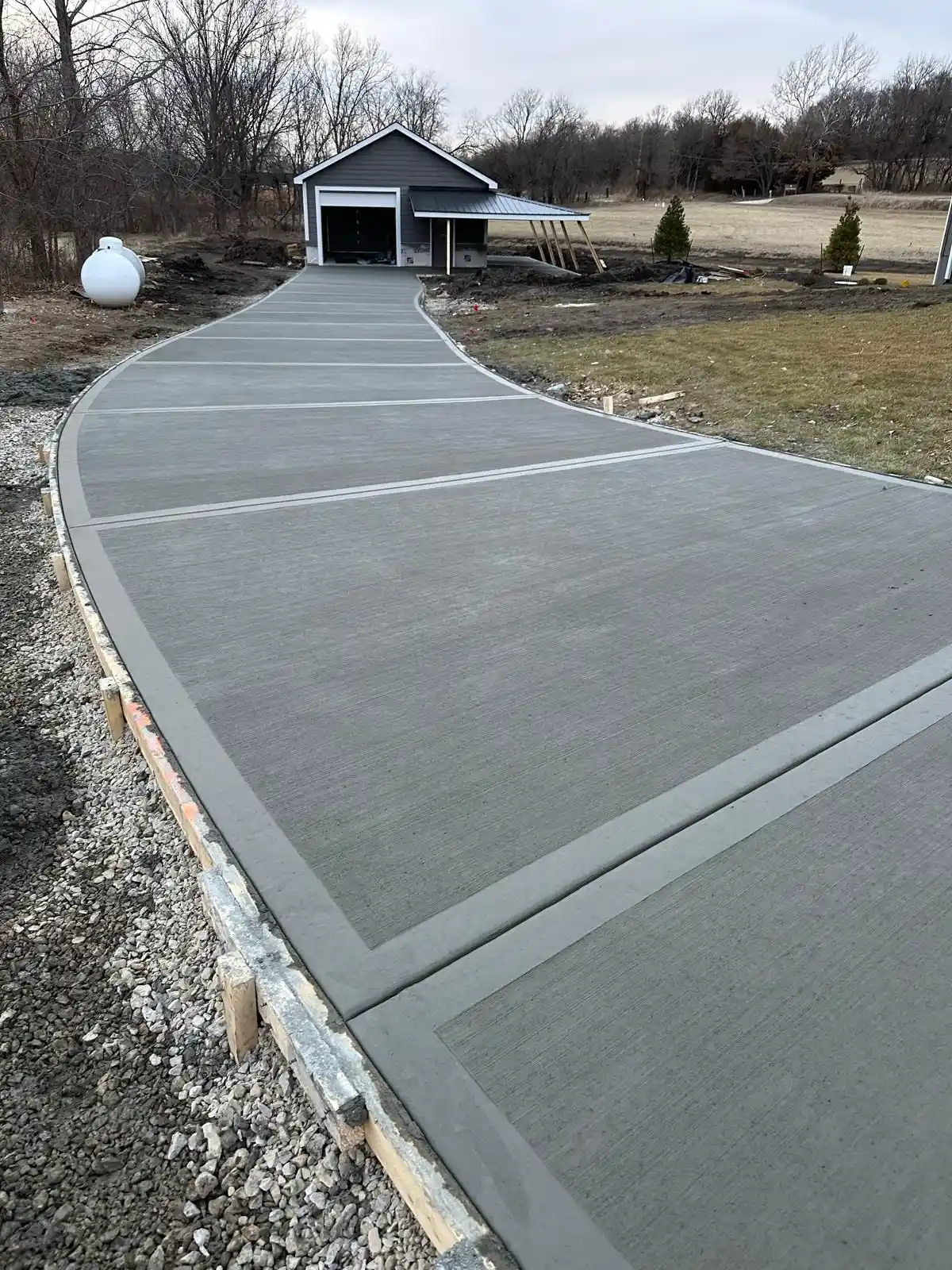
Heavy trucks need more caution than passenger cars.
This includes:
Heavy vehicles can create more stress on the slab, edges, control joints, and driveway transitions.
If you expect heavy vehicles, tell the contractor before installation.
If the driveway is already installed, ask before allowing heavy vehicles onto it.
Orange County weather can affect curing.
Local curing may be influenced by:
A driveway in full sun may cure differently than one shaded by a home, wall, tree, or garage.
The best rule is to follow the timeline given for your specific project.
Wait longer and ask the contractor if you notice:
When in doubt, wait.
A few more days of caution can protect the driveway for years.
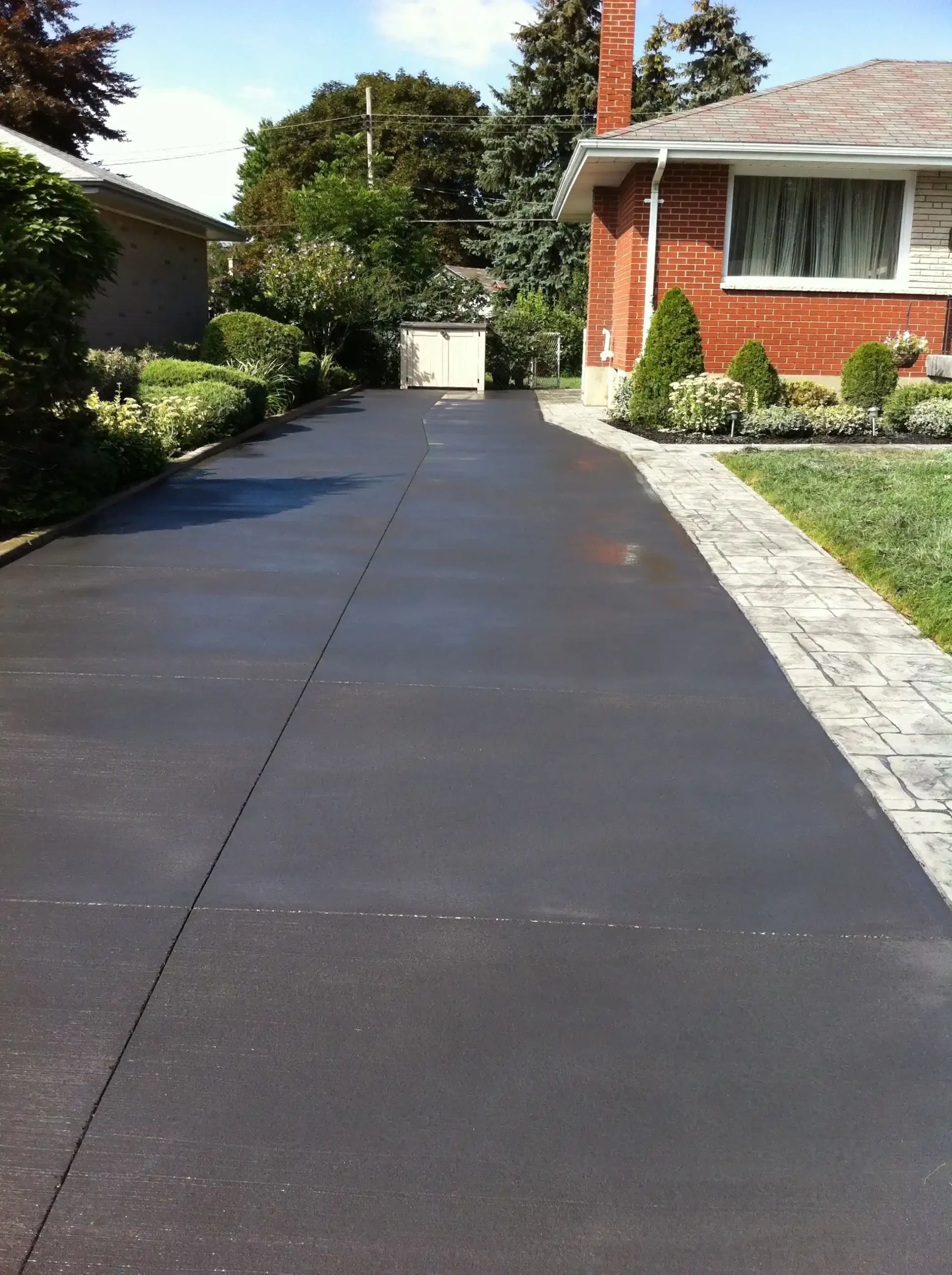
Curing time matters, but installation quality matters too.
A good driveway plan should include:
If a driveway cracks, sinks, or holds water later, the issue may not be curing alone.
It may involve base support, drainage, vehicle use, or site conditions.
For crack planning, read our why concrete driveways crack guide.
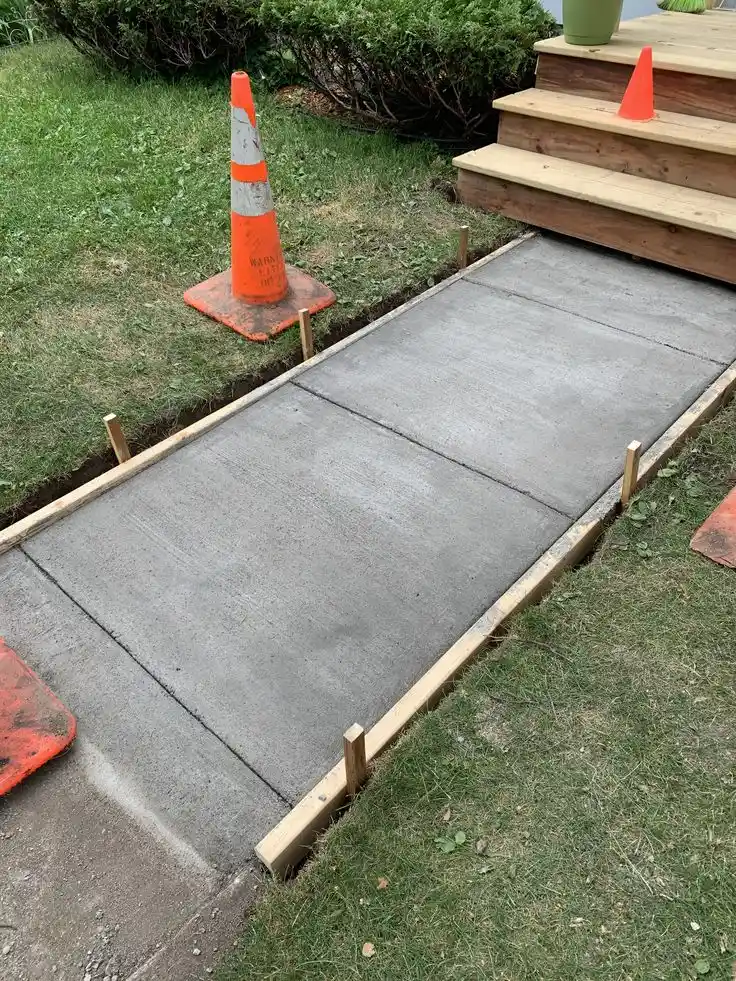
Many new concrete problems happen after the pour because the surface is used too soon.
Common mistakes include:
The concrete may look ready before it is ready.
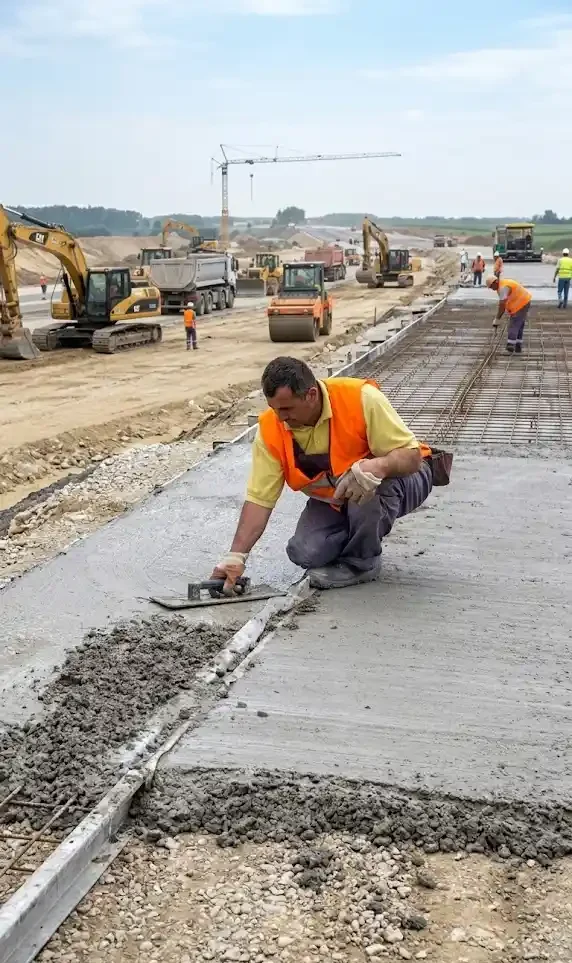
Call the contractor before using the surface if:
Clear instructions can prevent early damage.
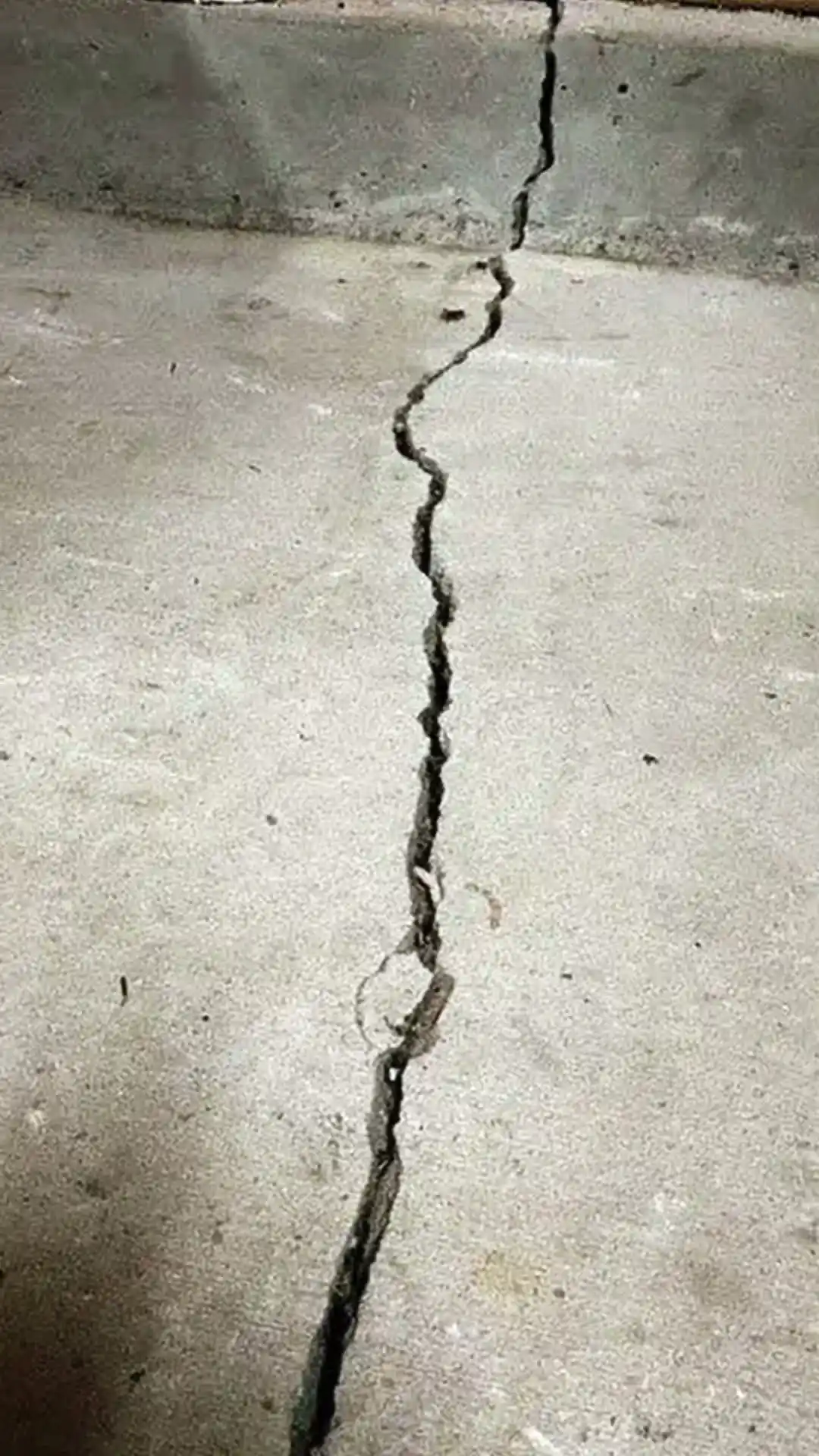
Early damage can create repair costs.
The cost to fix damage may depend on:
Decorative finishes can be harder to repair cleanly because color, texture, pattern, and sealer may need to match.
For driveway replacement planning, read our concrete driveway repair vs. replacement guide.
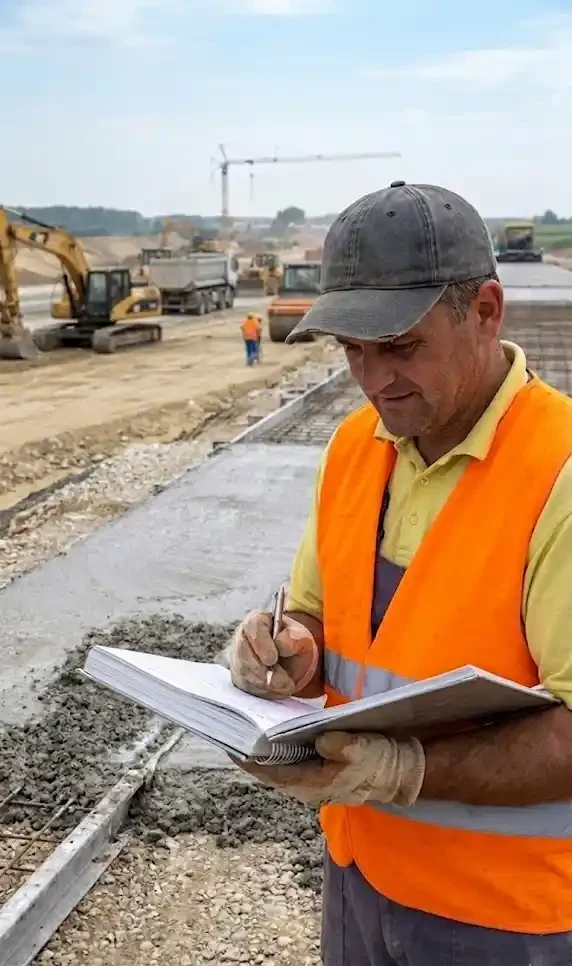
If you are planning new concrete, these details can help:
If the project is a driveway, mention whether it will hold passenger cars, work trucks, RVs, trailers, or delivery vehicles.
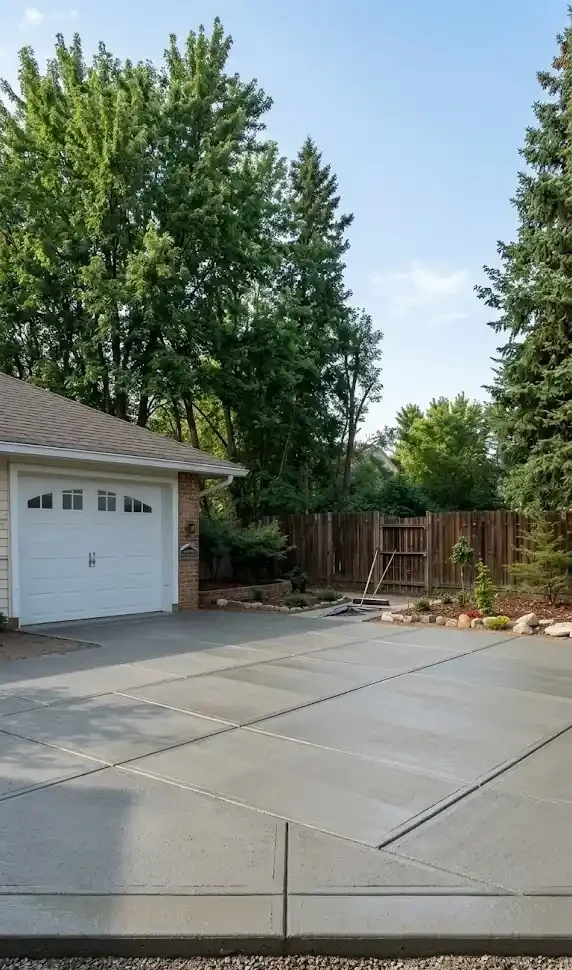
You may need a concrete estimate if you are planning:
Call Odell Concrete at (714) 717-1771 to request a free estimate.
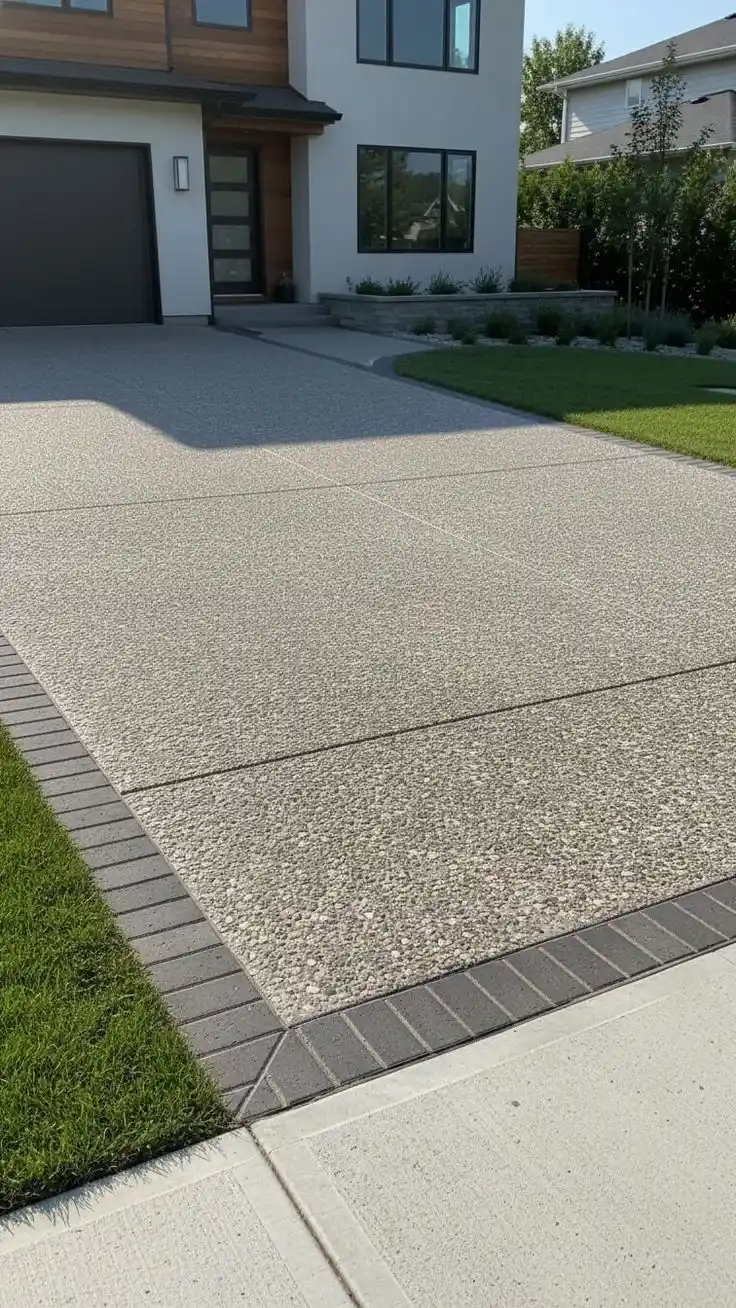
Use these related guides if you are still planning your project:
For all guides, visit the Odell Concrete resource center.
Need help planning a new driveway, patio, walkway, slab, drainage project, grading work, or decorative concrete finish?
Call Odell Concrete at (714) 717-1771 to request a free estimate.
You can also visit the contact page and share your photos, approximate size, current surface condition, drainage concerns, access details, finish preferences, and vehicle-use needs.
Many standard residential concrete driveways may be ready for passenger vehicles after about 7 days, but the exact timing depends on the concrete mix, weather, slab thickness, finish, and contractor instructions.
Light foot traffic may be allowed after 24 to 48 hours if the surface is firm and the contractor approves. Avoid pets, dragging objects, heavy foot traffic, and twisting movements early.
Parking is usually treated like driving. Many standard residential driveways may allow passenger vehicles around 7 days, but you should follow your contractor’s timeline and avoid heavy vehicles early.
Heavy trucks, moving trucks, RVs, trailers, dumpsters, and equipment should usually wait longer than passenger vehicles. Ask the contractor before allowing heavy loads onto new concrete.
No. Concrete continues gaining strength after the first week. Concrete strength is commonly measured at 28 days, so the first month should be treated with care.
Driving too soon can cause tire marks, scuffs, cracking, edge damage, finish damage, impressions, or long-term surface problems.
Avoid sharp tire turns, especially while stopped. Tire twisting can mark or stress the surface before the concrete has gained enough strength.
It depends on the furniture weight, surface finish, curing time, and contractor instructions. Avoid heavy planters, grills, fire pits, and sharp furniture legs too early.
Do not pressure wash new concrete too early. A strong water stream can damage the surface before it has fully hardened.
Yes. Heat, cold, wind, rain, humidity, shade, and sun exposure can affect curing time. Follow the instructions given for your specific project.
Avoid driving too soon, parking heavy vehicles, turning tires while stopped, dragging objects, pressure washing, soaking the surface with sprinklers, and placing heavy items too early.
Take photos and contact the contractor before trying to fix it. Early tire marks, scuffs, or surface damage should be reviewed before any repair is attempted.
Call Odell Concrete at (714) 717-1771 or visit the contact page to request a free estimate.
The safest plan is to follow your contractor’s curing instructions and use the new concrete gently during the first month.
If you are wondering how long before driving on new concrete or need help planning a new driveway, patio, walkway, slab, grading, drainage, or decorative concrete project, call Odell Concrete at (714) 717-1771 to request a free estimate.
Odell Concrete Construction, serving Southern California since 1976 with trusted, durable, and professional concrete solutions.
Copyright © 2026 Darren B Odell. All rights reserved