- cretemaster72@gmail.com
- Garden Grove, CA 92649
- Mon-Sun 7 AM–7 PM

Menu
Wondering why concrete driveways crack?
Some cracks are small and common. Others can point to deeper problems with the base, drainage, slope, soil, concrete thickness, control joints, curing, or daily vehicle use.
This guide explains the most common driveway cracking causes Orange County property owners should know. It also covers how to prevent concrete driveway cracks, when cracks may be repaired, and when replacement may be the better long-term option.
Odell Concrete has served Orange County since 1976. We help homeowners, HOAs, property managers, builders, and business owners plan driveway replacement, old concrete removal, grading, drainage, finish options, and new concrete installation.
Established in 1976
Licensed & Insured
California Contractor License #1065525
Serving Orange County and nearby Southern California communities
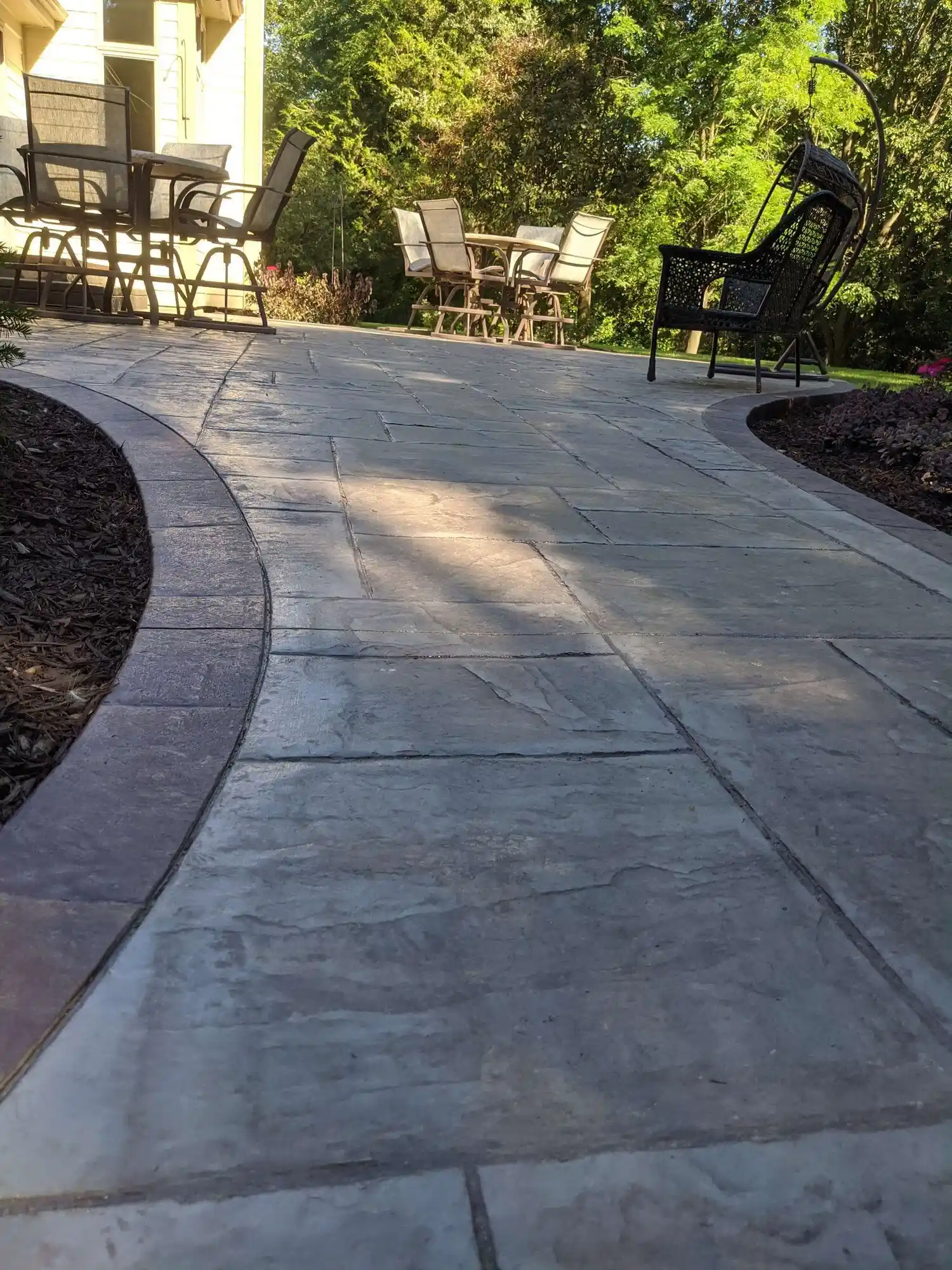
This guide helps you understand why driveway cracks happen and what to watch for before requesting an estimate.
It covers:
For driveway service details, visit our concrete driveway installation page.
For repair-or-replacement planning, read our concrete driveway repair vs. replacement guide.
For more planning help, visit the Odell Concrete resource center.
Concrete driveways can crack for several reasons.
Common causes include:
A crack does not always mean the driveway was installed incorrectly.
Concrete is strong, but it is not flexible. When the surface shrinks, moves, settles, or carries more stress than planned, cracking can happen.
The important question is not only, “Is there a crack?”
A better question is, “What caused the crack?”
Small cracks can happen in concrete.
Concrete can shrink as it cures. It can also move slightly with temperature, moisture, soil conditions, and daily use.
Good driveway planning helps reduce random cracking and guide movement where possible.
That planning may include:
Small hairline cracks may be less serious.
Wide cracks, spreading cracks, sunken cracks, or cracks near water pooling should be reviewed more carefully.
Concrete driveway cracks usually have a cause. Some causes are visible on the surface. Others are below the slab.
Fresh concrete changes as it cures.
As moisture leaves the concrete, the slab can shrink slightly. If the surface cannot move evenly, small cracks may form.
Curing-related cracks may be affected by:
This is why curing guidance matters after a new driveway is poured.
For post-installation planning, read our how long before driving on new concrete guide.
Control joints are planned lines in concrete.
They help guide where cracking should happen as the slab moves or shrinks.
Concrete joint spacing basics are simple: joints should be planned around the driveway size, shape, thickness, layout, and use.
Control joint problems may happen when:
Control joints do not stop every crack.
They help reduce random cracking and make movement more controlled.
The base under the driveway is one of the most important parts of the project.
If the base is soft, uneven, poorly compacted, washed out, or not prepared for vehicle use, the concrete above it can crack or sink.
Weak base problems may cause:
A driveway is only as strong as the support below it.
For grading service details, visit our grading page.
Water is one of the most common causes of driveway damage.
If water sits on the surface, runs under the slab, or moves toward the garage or home, it can weaken the driveway over time.
Drainage problems may lead to:
If your driveway holds water after rain or washing, read our guide on why water pools on concrete.
For drainage service details, visit our concrete drainage systems page.
A driveway needs the right slope so water moves away from the garage, home, walkway, and low areas.
Poor slope can cause water to collect in the wrong place.
Slope and grading problems may show up as:
If the driveway is cracked because of slope or grading, patching the surface may not solve the problem.
The water problem should be reviewed first.
Concrete sits on the ground. If the soil below moves, the concrete can move too.
Soil movement may be caused by:
When the soil moves unevenly, the driveway may crack, tilt, sink, or separate at joints.
This is one reason old concrete removal and base review matter during driveway replacement.
For demolition service details, visit our demolition page.
Driveways should be planned around how they will be used.
A driveway used by passenger vehicles may not need the same planning as one used by work trucks, delivery vehicles, RVs, trailers, or heavy equipment.
Curing and load stress causes can include:
If the driveway carries heavier traffic, thickness, base preparation, reinforcement, and layout should be reviewed carefully.
Tree roots can push, lift, or disturb concrete over time.
Roots may cause:
Tree-related cracks may be more likely when a driveway is close to mature trees, large roots, or landscaped areas with changing moisture conditions.
If roots have lifted part of the driveway, the full area should be reviewed before repair or replacement.
Concrete thickness should match the way the driveway will be used.
A thin slab may crack sooner if it carries more weight than expected or sits on a weak base.
Thickness planning may depend on:
A driveway that supports heavy daily use needs more planning than a light-use surface.
Driveway edges can crack when they do not have enough support.
This may happen near:
Broken edges can spread if water, traffic, or weak soil continues to stress the driveway.
Good edge support matters during installation and replacement.
Concrete does not last forever.
Over time, a driveway can wear down from vehicles, water, sun exposure, soil movement, repairs, and daily use.
Older driveways may show:
Age alone does not always mean replacement is needed.
The condition, safety, drainage, and base support matter more.
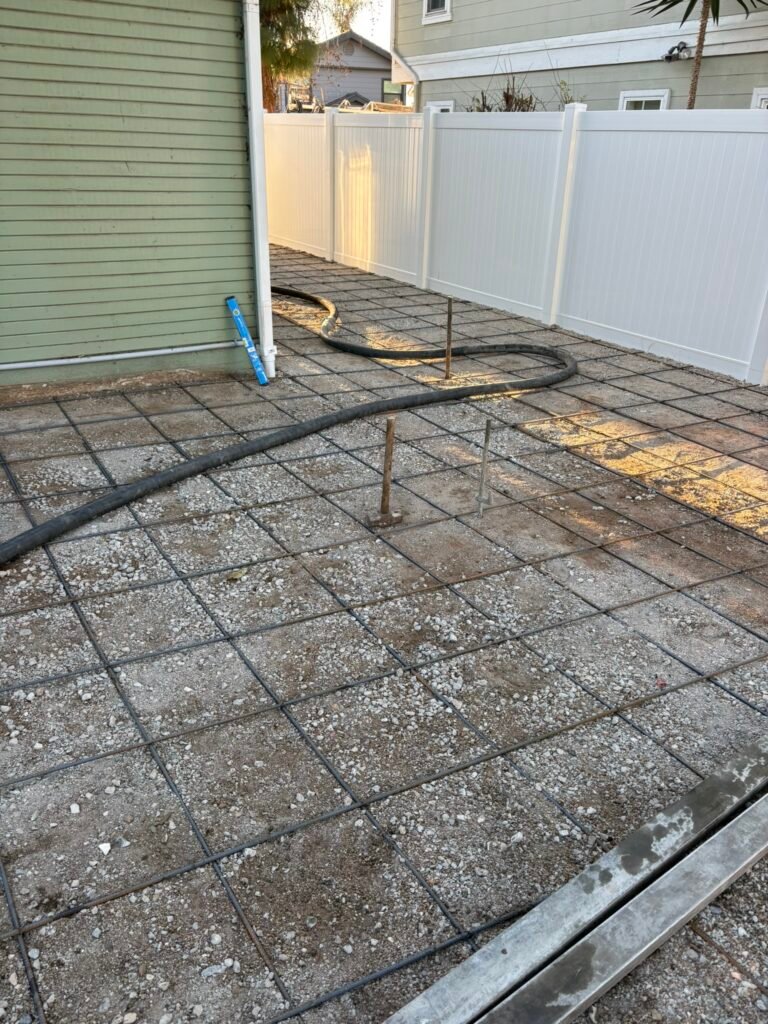
Many driveway cracking causes Orange County property owners deal with are tied to sun exposure, water movement, soil conditions, irrigation, tree roots, property layout, and daily vehicle use.
Common local planning issues may include:
A driveway in Orange County should be planned around the actual property, not a generic layout.
If your driveway connects to a patio, walkway, side yard, or drainage path, those areas should be reviewed together.
You cannot guarantee that concrete will never crack.
But good planning can reduce the risk of random cracking and early damage.
Important driveway crack prevention tips include:
For a full installation overview, read our how concrete installation works guide.
Concrete can crack as it shrinks or moves.
Control joints help guide that movement.
A driveway with good joint planning may still crack, but the cracks are more likely to follow planned lines instead of random paths.
Control joint planning should consider:
Control joints should be planned as part of the driveway layout, not treated as an afterthought.
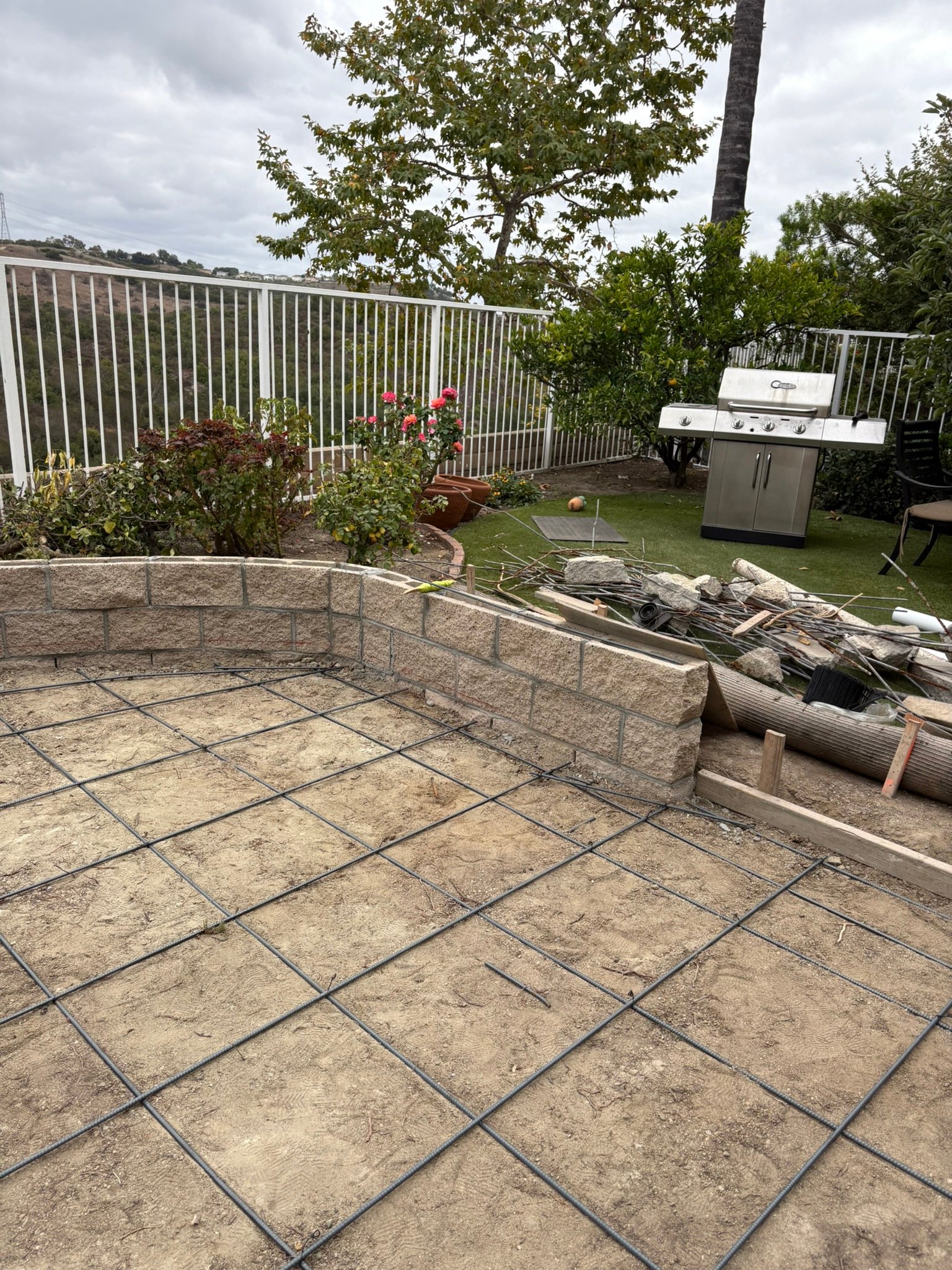
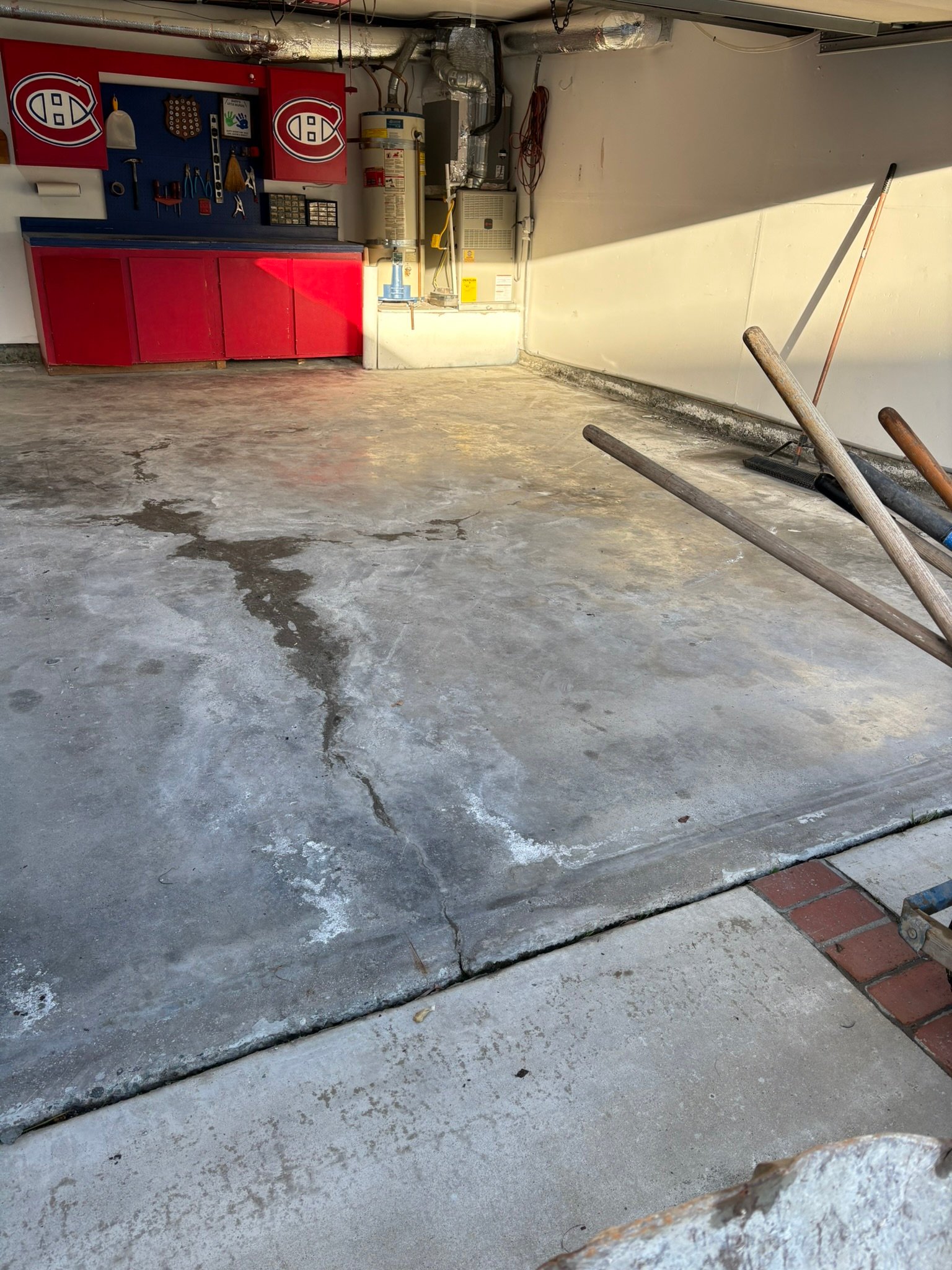
Drainage is one of the most important parts of driveway crack prevention.
A driveway should move water away from the garage, home, foundation, walkways, and low areas.
Good drainage helps reduce:
If water already collects in the project area, drainage should be reviewed before new concrete is installed.
For drainage planning, visit our concrete drainage systems page.
New concrete needs time to cure before it handles regular use.
Curing helps the concrete gain strength.
Driveway cracking risk may increase when:
Do not rush vehicle traffic onto a new driveway.
Read our how long before driving on new concrete guide before using a new driveway.
Driveways are working surfaces.
A driveway used only for light passenger vehicles is different from one used for work trucks, trailers, delivery vehicles, RVs, or frequent turning.
Vehicle use can affect:
If your driveway will carry heavier vehicles, share that information before requesting an estimate.
Some driveway cracks may be repairable.
Repair may make sense when cracks are:
Repair may help improve appearance and slow surface damage.
Still, the cause should be reviewed if cracks keep returning.
For more guidance, read our concrete driveway repair vs. replacement guide.
Some cracks are warning signs.
Replacement may be worth considering when cracks are:
If the driveway is cracked because the base is weak, the slope is wrong, or water is moving under the slab, surface repair may not last.
For driveway replacement service details, visit our concrete driveway installation page.
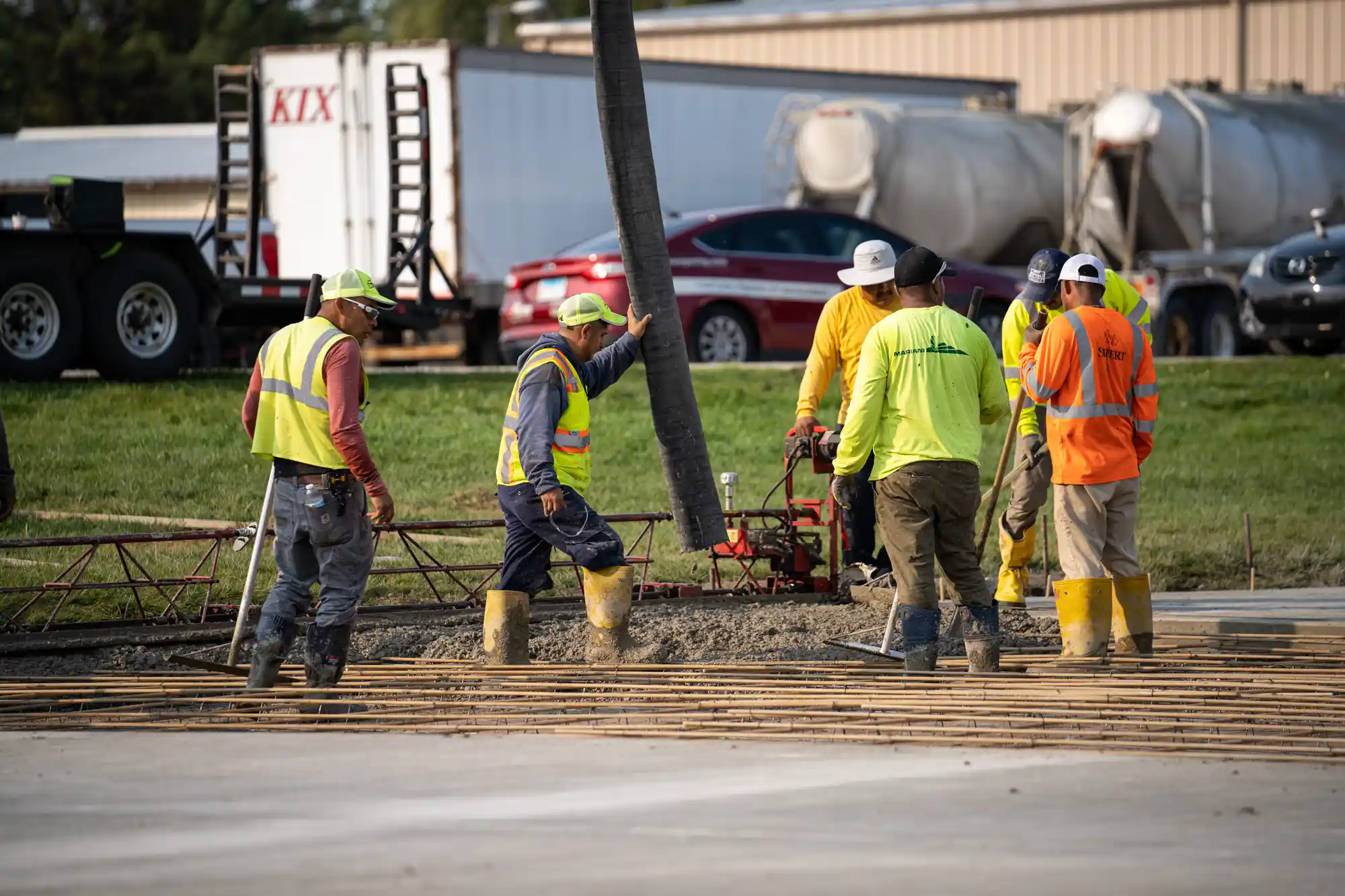
Cracks near the garage should be reviewed carefully.
This area matters because it connects the driveway to the home.
Cracks near the garage may be caused by:
If water moves toward the garage, the drainage and slope should be reviewed before repair or replacement.
Cracks near walkways, gates, and side yards may affect safety and access.
These areas often handle foot traffic, water flow, and transitions between surfaces.
Cracks in these areas may lead to:
If the driveway connects to a walkway, visit our concrete walkway contractor page for walkway service details.
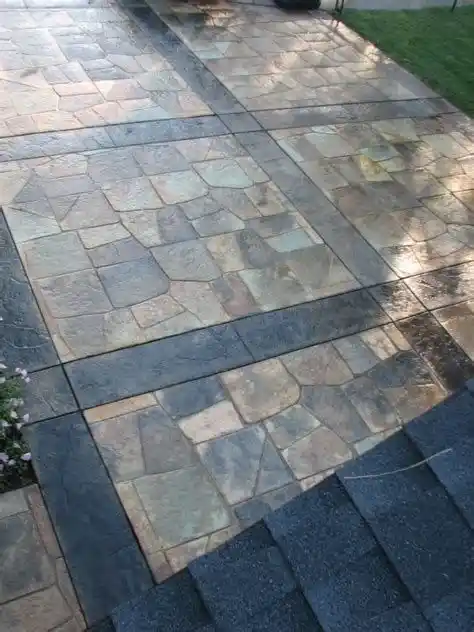
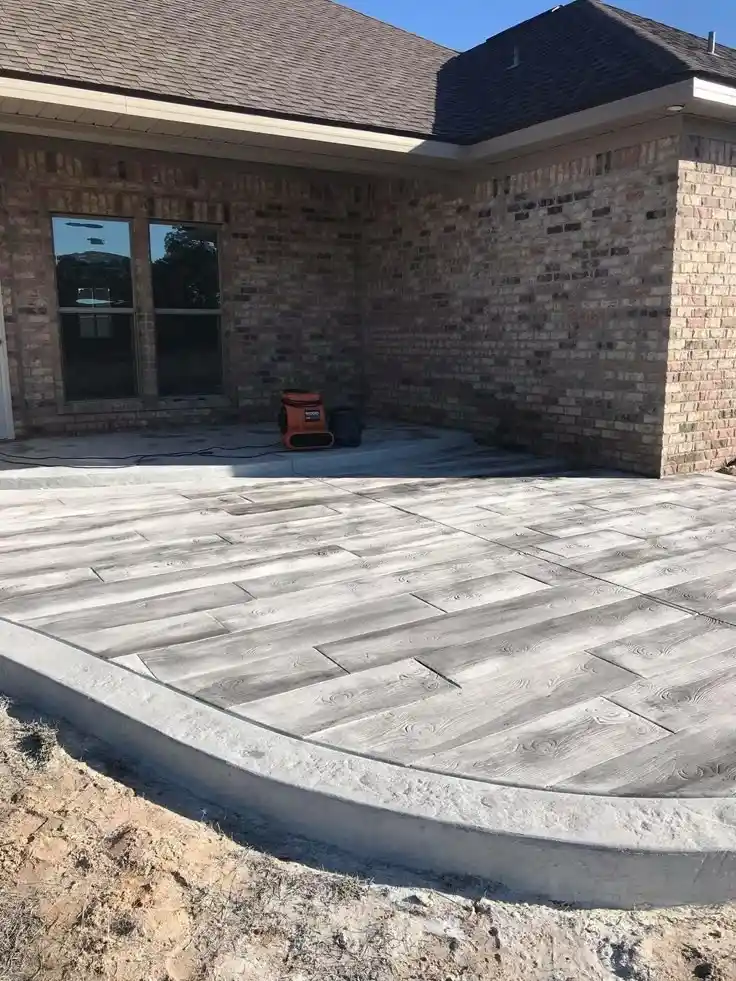
Driveways near trees or landscaping need extra attention.
Roots, irrigation, soil moisture, and nearby planting areas can affect the concrete over time.
Watch for:
If roots or landscaping are part of the problem, the cause should be reviewed before replacing the driveway.
Driveway cracks often happen when important planning steps are skipped.
Common mistakes include:
A driveway estimate should include more than the concrete surface.
It should account for the site, base, drainage, use, finish, access, and long-term performance.
Old concrete may need removal if the driveway is already failing.
Old concrete removal may be needed when the driveway has:
Removal can add demolition, hauling, disposal, base review, grading, and cleanup.
For demolition service details, visit our demolition page.
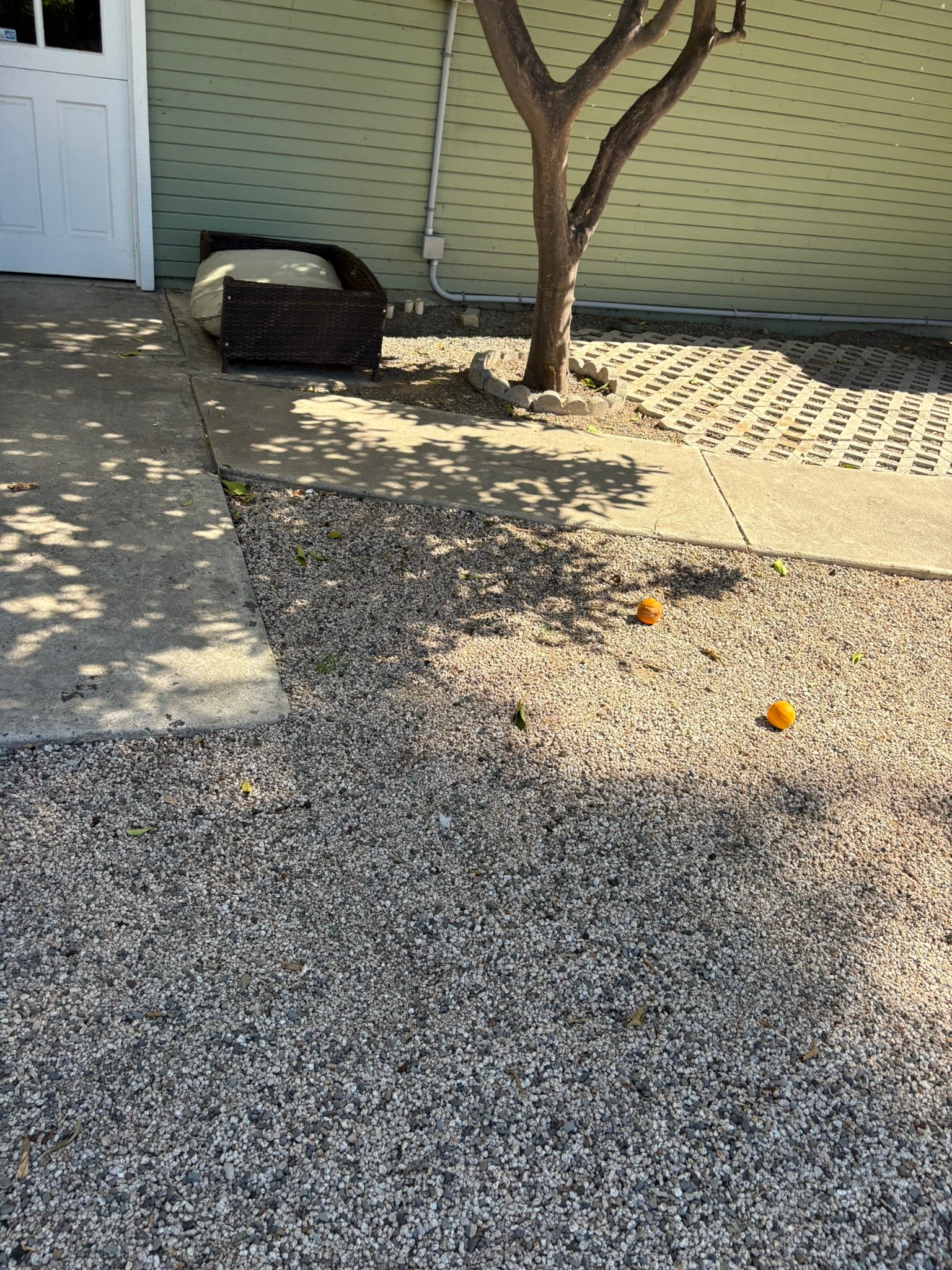
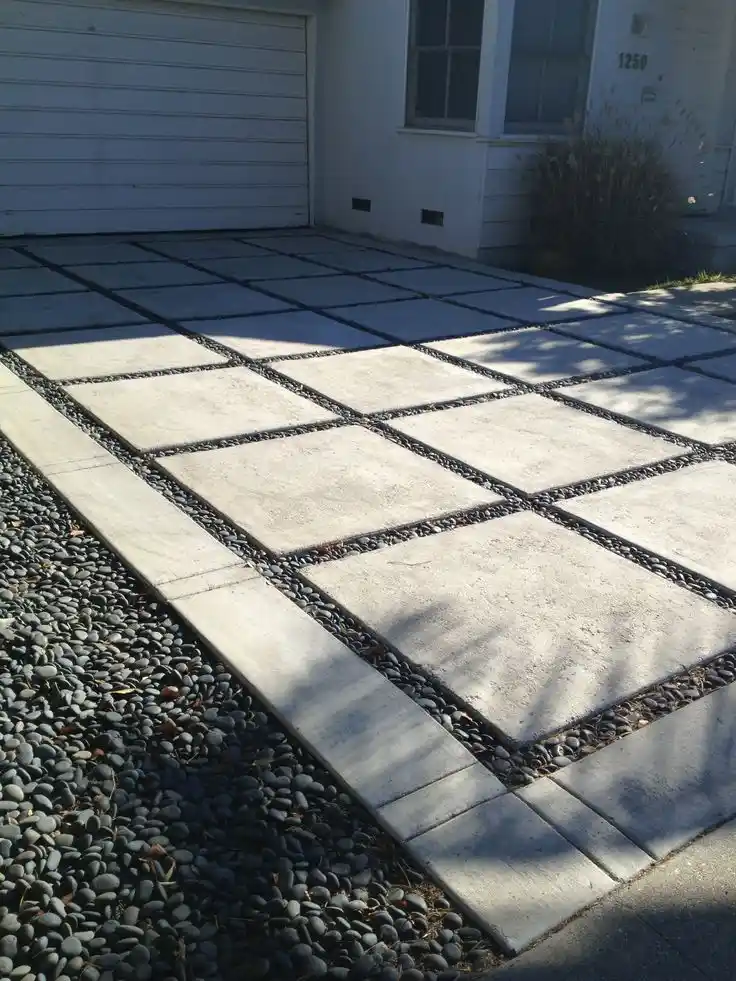
The finish does not fix a weak base or poor drainage.
Still, finish choice can affect how the driveway looks, feels, and performs during daily use.
Common driveway finish options include:
To compare finish options, read:
For finish service details, visit our decorative concrete finishes page.
If cracks point to full driveway replacement, cost may depend on the full project scope.
Replacement cost factors may include:
For more pricing details, read our concrete driveway cost guide.
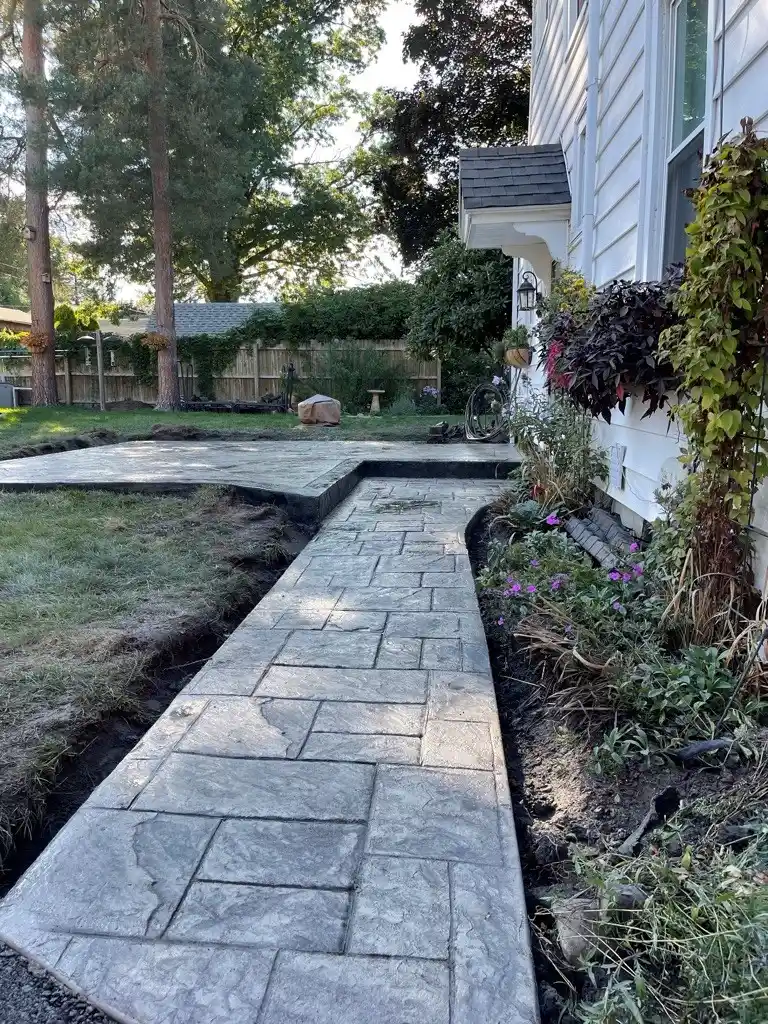
You do not need to diagnose the driveway yourself.
Still, these details can help:
Clear photos are especially helpful when reviewing driveway cracks.
You may need a driveway estimate if you notice:
Call Odell Concrete at (714) 717-1771 to request a free estimate.
Use these related guides if you are still comparing options:
For all guides, visit the Odell Concrete resource center.
Need help understanding why your concrete driveway is cracking?
Call Odell Concrete at (714) 717-1771 to request a free estimate.
You can also visit the contact page and share your driveway photos, approximate size, crack locations, drainage concerns, access details, and finish preferences.
Concrete driveways can crack because of shrinkage, poor control joint planning, weak base preparation, drainage problems, soil movement, heavy vehicle loads, tree roots, poor slope, or old concrete wear.
Small cracks can happen because concrete shrinks and moves slightly as it cures and ages. Wide, spreading, uneven, or sunken cracks should be reviewed because they may point to a deeper problem.
Early cracking may be caused by fast surface drying, curing issues, poor joint timing, weak base preparation, poor drainage, heavy loads too soon, or weather during installation.
You can reduce crack risk by planning a stable base, proper drainage, correct slope, suitable concrete thickness, good control joints, careful curing, and vehicle use that matches the driveway design.
Control joints do not prevent all cracking. They help guide where cracks are more likely to happen, which can reduce random cracking across the surface.
Yes. Water can weaken the base, cause settlement, create low spots, and move soil under the driveway. If water pools on the surface or moves under the slab, cracking may become more likely.
Yes. Tree roots can lift, push, or disturb the driveway over time. Cracks near trees or landscaping should be reviewed before repair or replacement.
Yes. Heavy vehicles, RVs, trailers, work trucks, delivery vehicles, or frequent turning can add stress. The driveway thickness, base, edge support, and curing time should match the expected use.
It depends on the cause and condition. Small isolated cracks may be repairable. Replacement may be better if the driveway has wide cracks, sinking, poor drainage, repeated patching, or base problems.
Cracks may return when the real problem is below the surface. Weak base support, poor drainage, soil movement, heavy loads, or bad slope can cause the same areas to crack again.
Send photos, approximate driveway size, crack locations, water pooling areas, sunken sections, access notes, vehicle use, tree-root concerns, and whether the driveway has been patched before.
Call Odell Concrete at (714) 717-1771 or visit the contact page to request a free estimate.
The right solution depends on the cause of the cracks, not just the cracks you see on the surface.
If you want to understand why concrete driveways crack or need help deciding whether repair or replacement makes more sense, call Odell Concrete at (714) 717-1771 to request a free estimate.
Odell Concrete Construction, serving Southern California since 1976 with trusted, durable, and professional concrete solutions.
Copyright © 2026 Darren B Odell. All rights reserved