- cretemaster72@gmail.com
- Garden Grove, CA 92649
- Mon-Sun 7 AM–7 PM

Menu
Wondering what a concrete driveway costs in Orange County?
The answer depends on the driveway size, existing concrete condition, removal needs, drainage, grading, base preparation, concrete thickness, finish type, site access, and intended use.
This guide explains the main concrete driveway cost factors in Orange County so you can better understand what may affect your estimate before contacting a contractor.
Odell Concrete has served Orange County since 1976. We help homeowners, HOAs, property managers, builders, and business owners with driveway replacement, new driveway installation, old concrete removal, grading, drainage, and concrete finish options.
Established in 1976
Licensed & Insured
California Contractor License #1065525
Serving Orange County and nearby Southern California communities
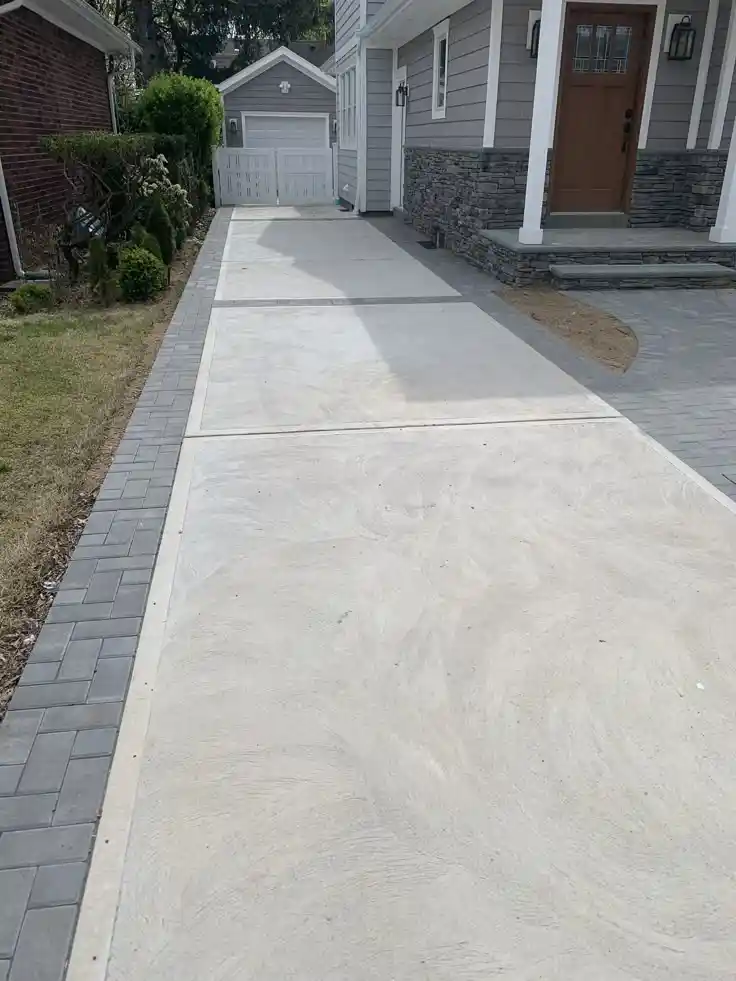
This guide is for property owners who want to understand driveway concrete pricing factors in Orange County before requesting an estimate.
It explains:
This page is an informational guide. For installation details, visit our concrete driveway installation page.
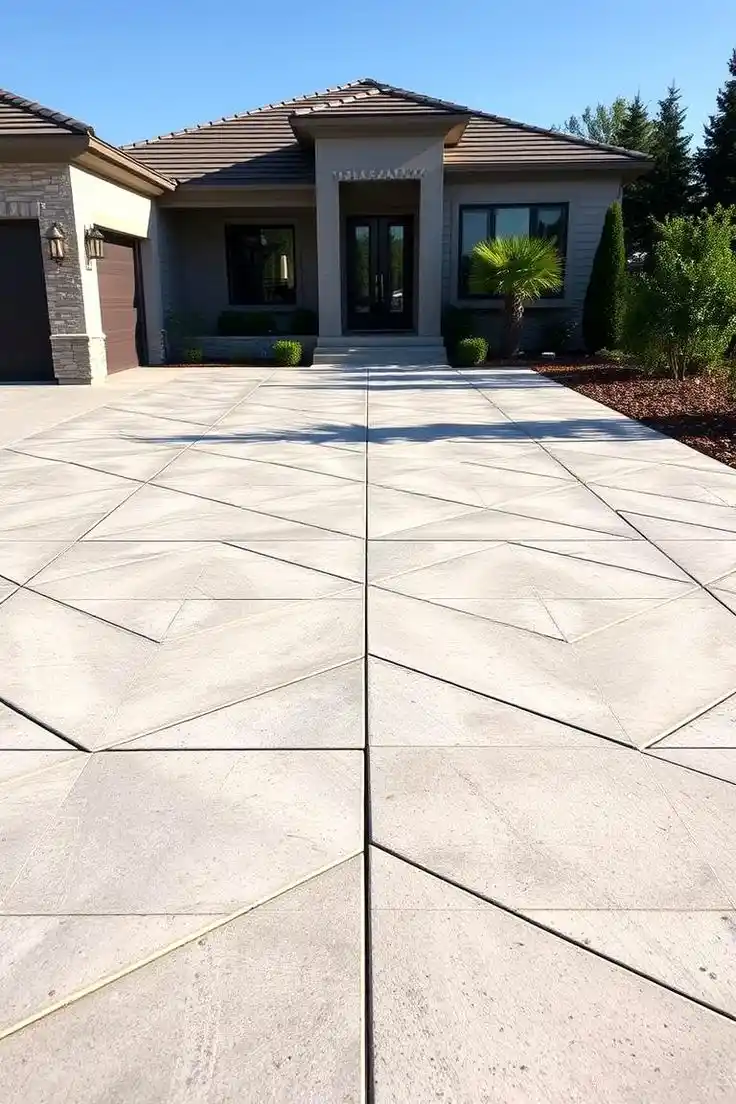
No two driveways are exactly the same.
A small driveway with easy access and no removal is very different from a larger driveway that needs demolition, hauling, grading, drainage work, thicker concrete, decorative finish work, or additional labor.
Common driveway cost factors include:
A useful estimate should reflect the actual site conditions and project scope, rather than relying only on a basic square-foot number.
Concrete driveway pricing usually starts with size, but the final cost depends on the overall project conditions and scope.
A larger driveway needs more concrete, base preparation, forming, finishing time, and cleanup.
Size can affect:
A single-car driveway is usually more straightforward than a wider two-car driveway, long driveway, circular driveway, parking pad, or driveway with added side-yard access.
Concrete thickness affects material use and the planned performance of the driveway.
A driveway used by regular passenger vehicles may not require the same thickness considerations as one used by heavier vehicles, work trucks, RVs, or frequent delivery traffic.
Thickness can affect:
Odell Concrete reviews how the driveway will be used before recommending the appropriate project plan.
If the existing driveway is cracked, sunken, uneven, badly sloped, heavily patched, or holding water, old concrete removal may be needed before replacement.
Removal can affect cost because it may include:
If you are unsure whether repair or replacement makes more sense, read our concrete driveway repair vs. replacement guide.
Drainage can change the scope of a driveway project.
If water pools on the driveway, drains toward the garage, runs toward the foundation, or collects near walkways, the site may need drainage review before new concrete is poured.
Drainage issues may involve:
To understand the issue better, read our why water pools on concrete guide.
For service details, visit our concrete drainage systems page.
Concrete needs a stable base.
If the base is soft, uneven, poorly compacted, or disturbed after old concrete removal, the project may need grading or base preparation before the pour.
Base and grading work can affect:
For service details, visit our grading page.
Simple rectangular driveways are usually easier to plan than curved, angled, widened, or multi-section driveways.
Layout can affect:
A driveway that connects to a walkway, side yard, patio, garage, or parking area may require more detailed planning.
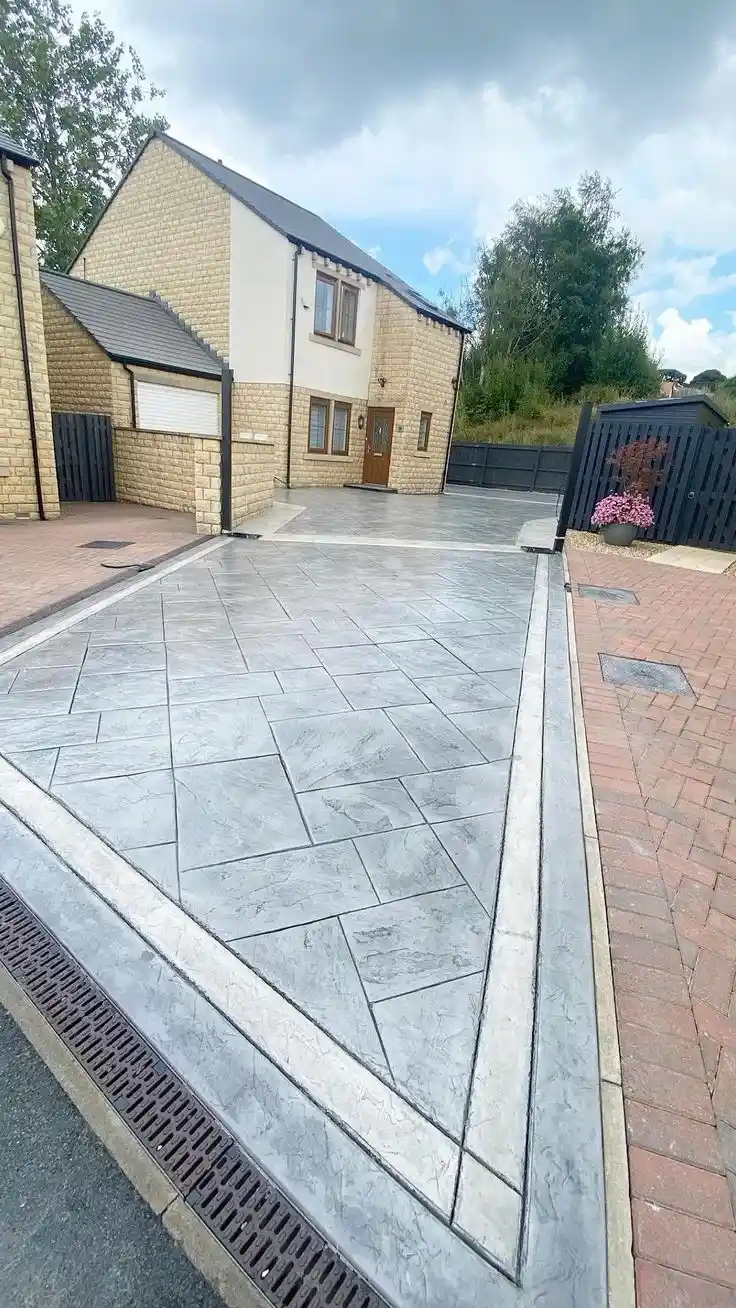
A basic driveway finish and a decorative driveway finish may have different costs.
Common driveway finish options may include:
Decorative finishes may require additional planning, finishing time, and surface detailing.
To compare finish options, read:
For finish service details, visit our decorative concrete finishes page.

The cost to replace a concrete driveway in Orange County depends on both the removal work and the new installation.
Replacement is usually more involved than installing a new driveway on a prepared surface because the existing driveway must be evaluated first.
A driveway replacement project may include:
If the existing driveway failed because of drainage problems, inadequate base preparation, heavy vehicle loads, or improper slope, those conditions should be reviewed before replacement.
For service details, visit our concrete driveway installation page.
Every estimate depends on the site, but driveway projects often fall into a few common planning groups.
A straightforward driveway project may involve a simple layout, easy access, a stable base, a basic finish, and no major drainage or demolition issues.
This type of project is usually easier to plan.
A replacement project may include old concrete removal, hauling, base review, grading, and new concrete installation.
This type of project can cost more than a simple installation because the existing surface must be removed and the area prepared again.
A driveway with water pooling, poor slope, low spots, or water moving toward the garage may need drainage review or grading before new concrete is poured.
This type of project needs more planning because the underlying surface and drainage conditions should be addressed before replacement.
A decorative driveway may include stamped concrete, washed finish, Top-Cast finish, color, pattern, texture, or custom details.
This type of project can require additional labor, finish planning, and different maintenance considerations.
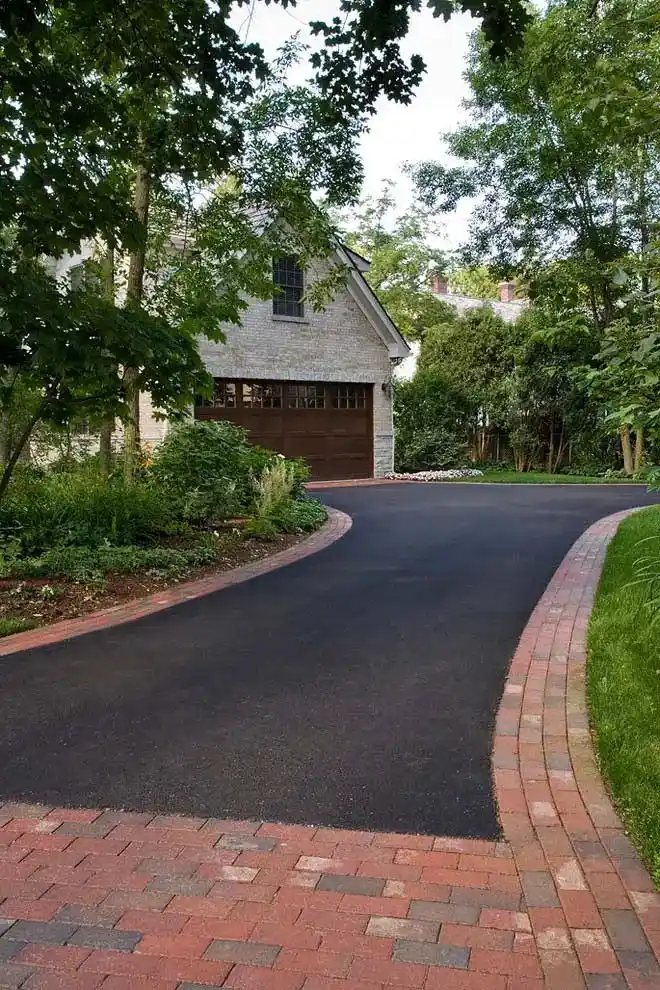
A new driveway and a replacement driveway can have different cost factors.
A new driveway may need:
A replacement driveway may need everything above, plus:
Replacement costs can increase when the existing driveway has underlying site or surface conditions that need to be addressed before the new concrete is installed.
Driveway size is one of the easiest cost factors to understand.
A larger driveway usually means more:
When planning your project, think about whether you need:
Photos and rough measurements can help during the estimate process.
A decorative driveway usually costs more than a basic broom-finish driveway because it can require additional finish planning and labor.
Decorative driveway cost can depend on:
If you are comparing finishes, read our stamped concrete vs. pavers guide and concrete vs. pavers guide.
For decorative concrete service details, visit our decorative concrete finishes page.
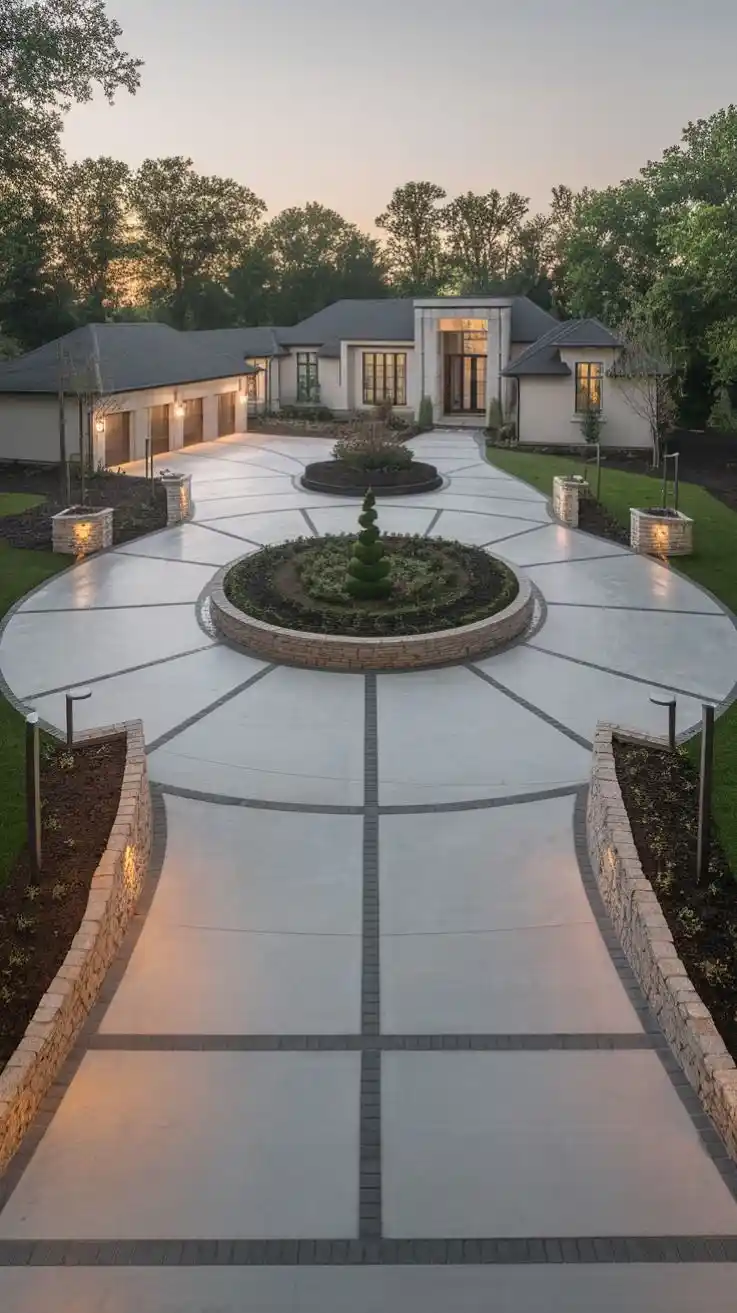
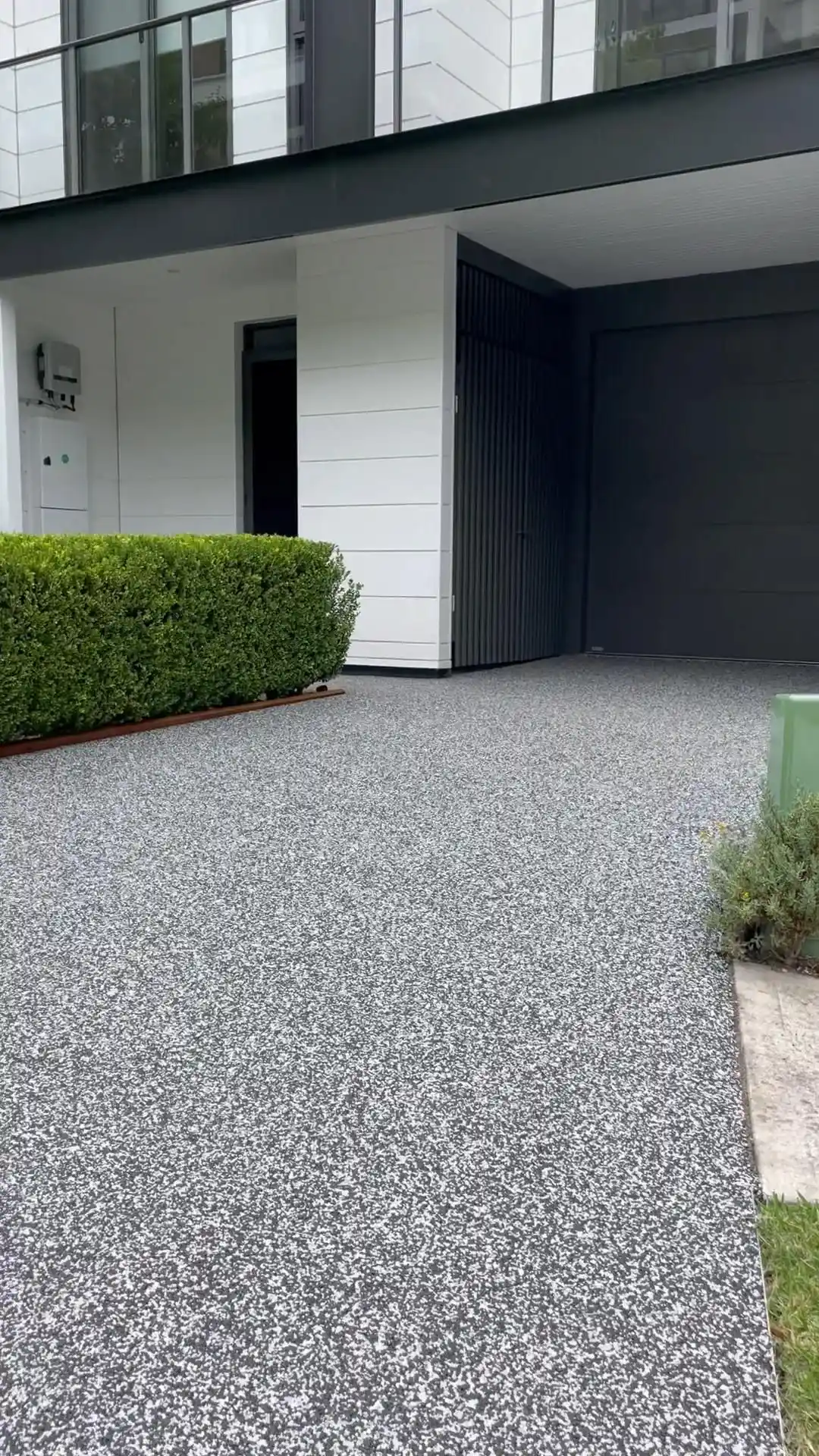
The lowest driveway estimate is not always the best value.
A low estimate may leave out important work, such as:
A driveway is used every day. If the base, slope, drainage, thickness, or finish is not properly addressed, the driveway may crack, hold water, settle, or require earlier replacement.
To understand common causes of cracking, read our why concrete driveways crack guide.
A driveway estimate may increase when the project needs extra work beyond a simple pour.
Common scope factors include:
This is why Odell Concrete reviews the project conditions and overall scope before giving a recommendation.
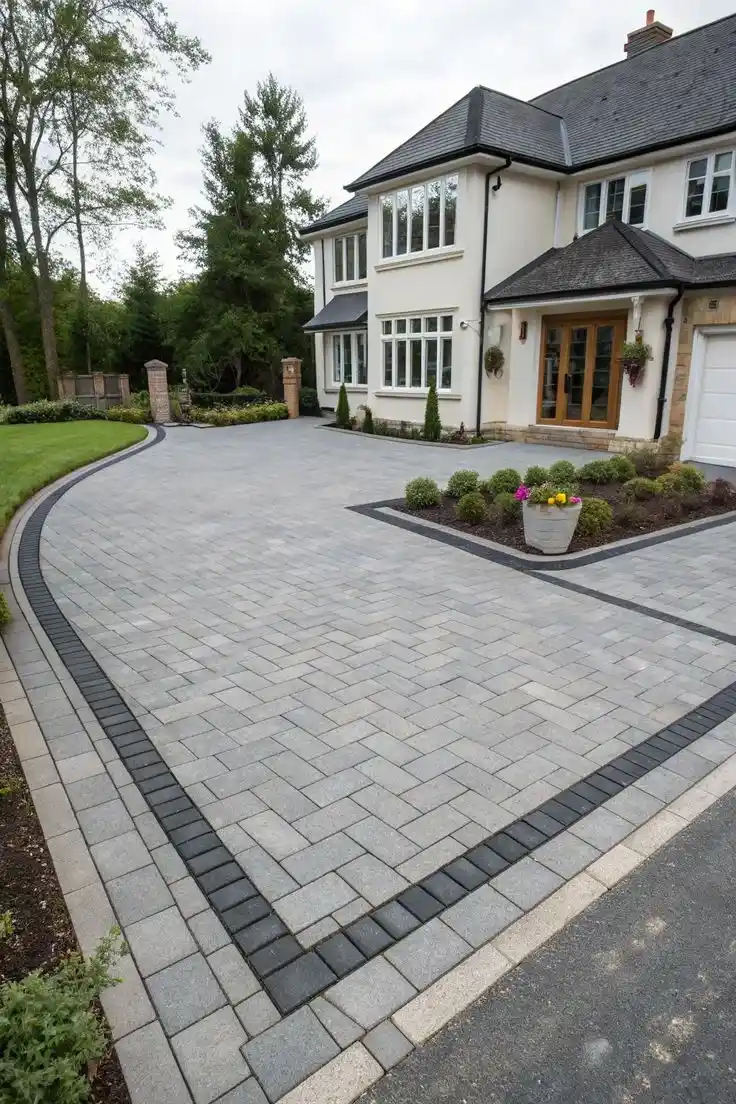
Some driveway projects are simpler.
A project may be more straightforward when:
Even then, the site should still be reviewed before work begins to confirm the project scope and site conditions.
Some driveway projects may involve city requirements, HOA rules, property-management approval, or plan review.
This may matter when the project affects:
Read our concrete permits in Orange County guide for more planning details.
If the driveway connects to an accessible route, visit our ADA concrete ramp requirements guide and ADA concrete work page.
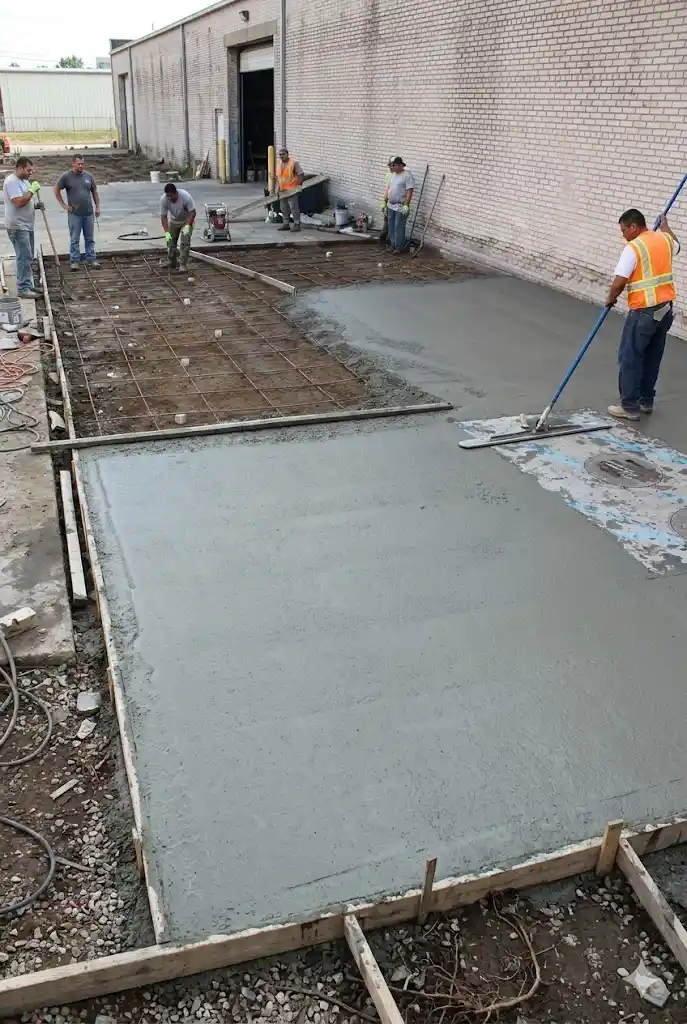
New concrete needs time to cure.
The waiting time can depend on the concrete mix, weather, driveway thickness, vehicle weight, and contractor instructions.
Do not rush vehicle traffic onto new concrete. Driving too soon can damage the surface or affect long-term performance.
Read our how long before driving on new concrete guide for more details.
A driveway project usually follows a clear process.
Common steps include:
For a full overview, read our how concrete installation works guide.
For general service routing, visit our concrete work page.
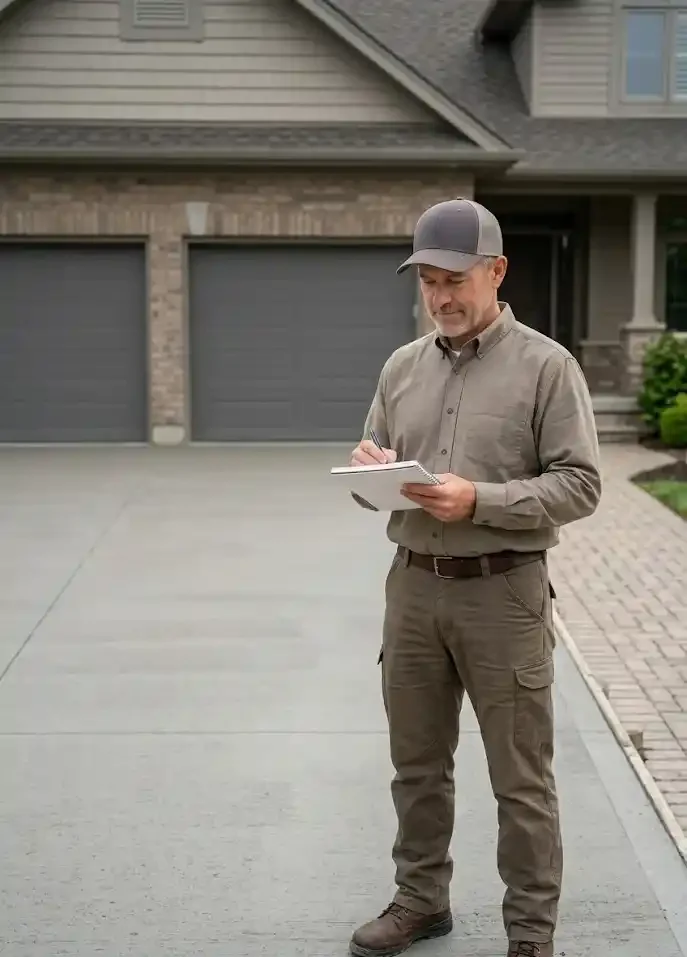
You do not need to know everything before calling.
Still, these details can help:
Clear photos are especially helpful when planning driveway replacement.
You may need a driveway estimate if you notice:
Call Odell Concrete at (714) 717-1771 to request an estimate.
Use these related guides if you are still comparing options:
For all guides, visit the Odell Concrete Resource Center.
Need help with driveway replacement, driveway installation, old concrete removal, drainage, grading, or finish planning?
Call Odell Concrete at (714) 717-1771 to request an estimate.
You can also visit the contact page and share your driveway photos, approximate size, current condition, drainage concerns, access details, and finish preferences.
Concrete driveway cost depends on size, thickness, old concrete removal, drainage, grading, base preparation, finish type, site access, vehicle use, cleanup, hauling, and overall project complexity.
Driveway replacement often includes old concrete removal, debris hauling, base review, grading, and drainage correction before new concrete is poured. A new driveway may not have the same removal and correction needs.
Yes. Removing old concrete can increase project cost because it adds demolition, loading, hauling, disposal, base cleanup, and possible grading before the new driveway is installed.
Yes. If water pools on the driveway or drains toward the garage, foundation, walkway, or street incorrectly, the project may need drainage review or slope correction before new concrete is installed.
Usually, yes. Stamped concrete can cost more than a basic broom finish because it may require additional design planning, pattern work, color, surface detailing, finishing time, and maintenance planning.
Repair may work for small surface issues. Replacement may be better if the driveway is badly cracked, sunken, poorly sloped, holding water, heavily patched, or experiencing base or drainage problems.
You can measure the approximate length and width of the driveway or send photos with a rough description. Exact measurements can be confirmed during the estimate process.
Some driveway projects may involve permits, HOA approval, property-management approval, or city review, especially when the work affects a driveway approach, sidewalk, curb area, drainage, public right-of-way, or commercial access.
Some projects may need permits, HOA approval, property-management approval, or city review. Read our concrete permits in Orange County guide to understand common permit-related factors.
Curing time depends on the concrete mix, weather, thickness, vehicle weight, and contractor instructions. Always follow the guidance provided for your specific project before driving on new concrete.
Send photos, approximate size, current driveway condition, drainage concerns, access notes, finish preferences, and whether the old driveway needs removal. These details can help the estimate process start faster.
Call Odell Concrete at (714) 717-1771 or visit the contact page to request a concrete driveway estimate.
A driveway estimate should reflect the actual site conditions and project scope, not just a basic square-foot number.
If you need driveway replacement, new driveway installation, concrete removal, drainage review, grading, or finish planning, call Odell Concrete at (714) 717-1771 to request an estimate.
Odell Concrete Construction, serving Southern California since 1976 with trusted, durable, and professional concrete solutions.
Copyright © 2026 Darren B Odell. All rights reserved