- cretemaster72@gmail.com
- Garden Grove, CA 92649
- Mon-Sun 7 AM–7 PM

Menu
Trying to decide between concrete driveway repair vs replacement?
A cracked or uneven driveway does not always need full replacement. Some problems can be repaired. Other problems are signs that the driveway may be failing below the surface.
This guide explains when to replace concrete driveway surfaces and when repair may still make sense. It also covers driveway cracks repair or replace decision factors, sinking, drainage, base problems, safety concerns, and replacement warning signs.
Odell Concrete has served Orange County since 1976. We help homeowners, HOAs, property managers, builders, and business owners plan driveway replacement, old concrete removal, grading, drainage, finish options, and new concrete installation.
Established in 1976
Licensed & Insured
California Contractor License #1065525
Serving Orange County and nearby Southern California communities
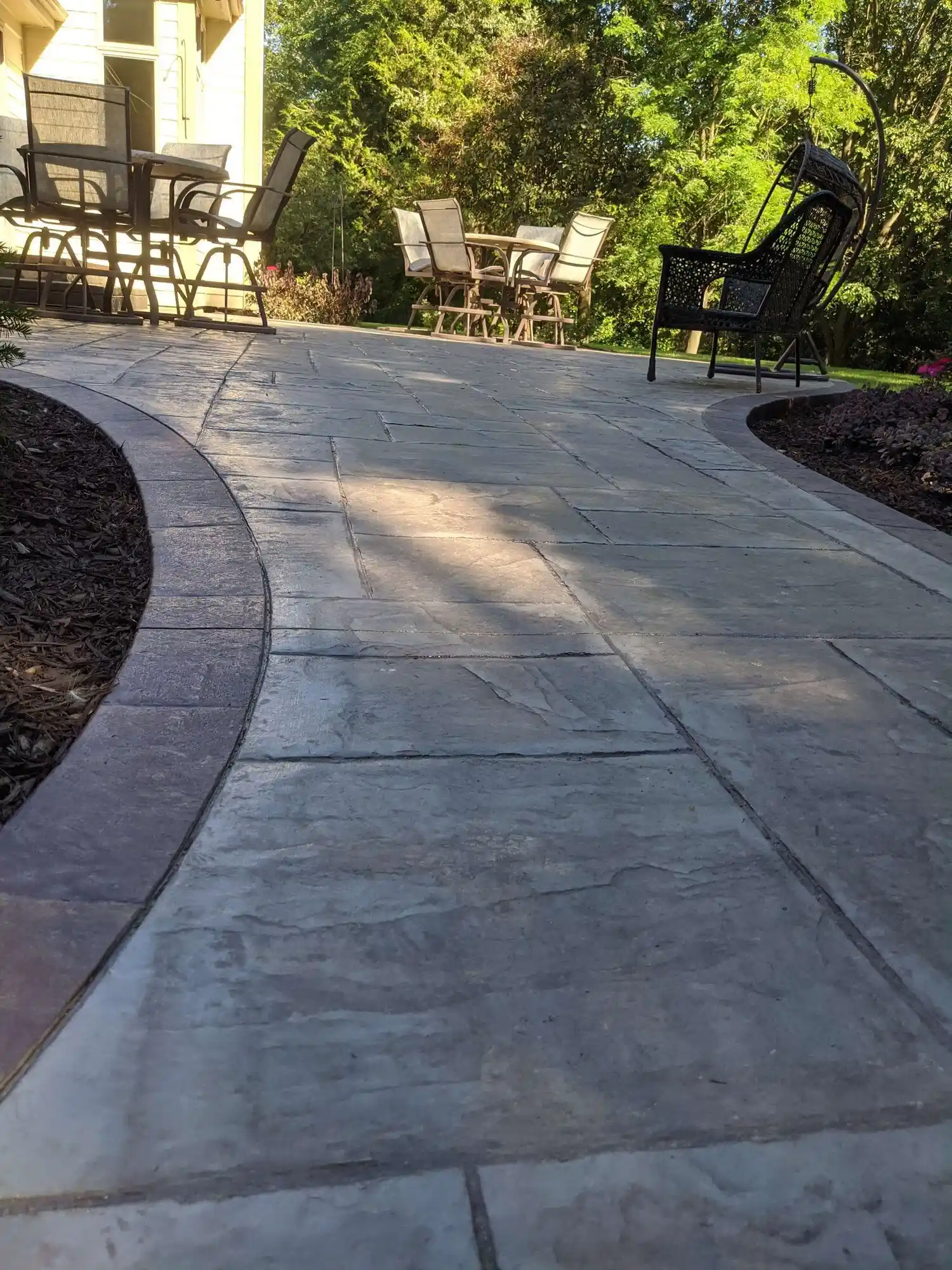
This guide helps you understand whether a damaged driveway may need repair or full replacement.
It covers:
For driveway service details, visit our concrete driveway installation page.
For driveway cost planning, read our concrete driveway cost guide.
For more planning help, visit the Odell Concrete resource center.
Repair may make sense when the driveway has:
Replacement may be better when the driveway has:
The right choice depends on the whole driveway, not just one crack.
If the surface problem comes from drainage, weak base preparation, soil movement, or poor slope, a simple repair may not solve the real issue.
Driveway repair usually focuses on smaller or more limited damage.
Repair may include:
Repair is usually best when the problem is local, shallow, and not caused by a larger base or drainage issue.
A repair may improve appearance and slow further damage. It may not fix the deeper cause if the driveway is sinking, holding water, or moving.
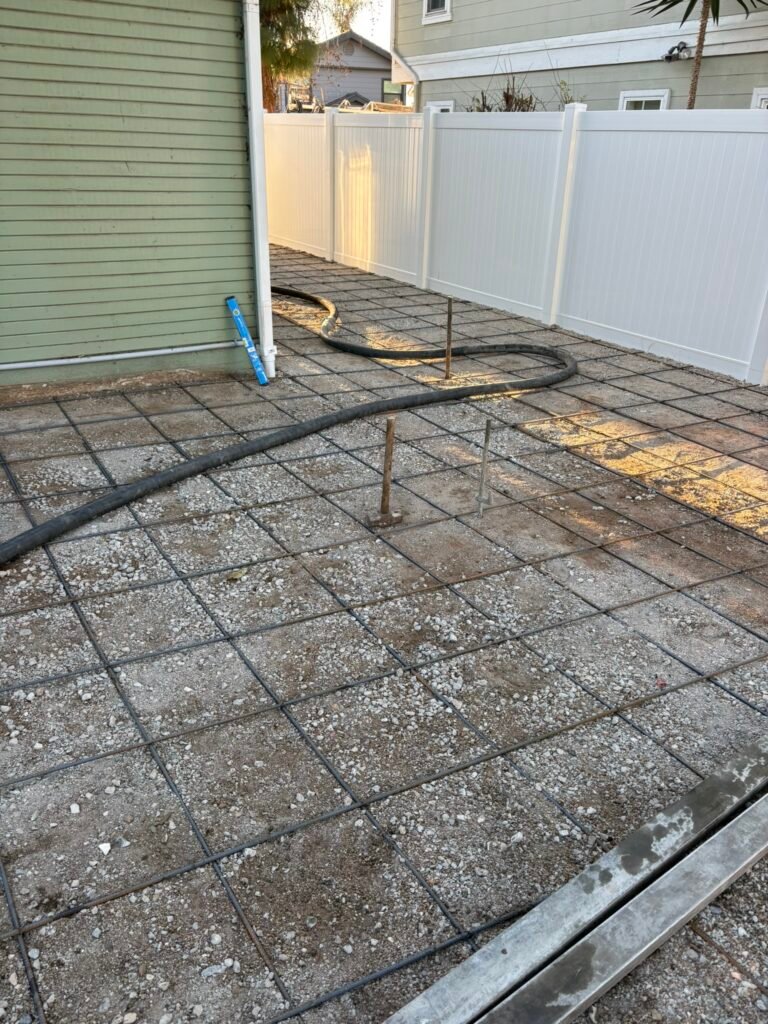
Driveway replacement means removing the old concrete and installing a new driveway surface.
Replacement may include:
For old concrete removal details, visit our demolition page.
For the full driveway installation service, visit our concrete driveway installation page.
A good repair-or-replace decision should look at the condition of the whole driveway.
Small cracks may be repairable if they are narrow, isolated, and not spreading.
Larger cracks may point to a deeper problem.
Watch for:
If you want to understand common crack causes, read our guide on why concrete driveways crack.
The pattern matters as much as the crack size.
One small crack may not be a major problem. Several connected cracks may show that the driveway has a base, drainage, or movement issue.
Replacement may be more likely when the driveway has:
When cracks appear in many areas, the driveway should be reviewed before another repair is made.
A sunken section is one of the most important signs to review.
A driveway may sink because of:
This sunken driveway section guidance is simple: if part of the driveway has dropped, do not look only at the surface. The base and drainage should be reviewed too.
A patch may hide the problem for a short time, but it may not fix the reason the concrete moved.
Standing water is more than a surface issue.
Water can collect on a driveway because of poor slope, low spots, settlement, blocked flow paths, or drainage problems.
Water pooling can lead to:
If water sits on the driveway after rain or washing, read our guide on why water pools on concrete.
For drainage service details, visit our concrete drainage systems page.
Uneven concrete can create a safety concern.
Trip hazards may appear where driveway sections lift, sink, crack, or separate.
Trip hazard areas may happen near:
If the driveway connects to a walking path, visit our concrete walkway contractor page for walkway service details.
If accessibility is part of the project, visit our ADA concrete work page.
The base below the driveway matters.
A driveway may crack or sink when the base is soft, uneven, poorly compacted, washed out, or not strong enough for daily vehicle use.
Base problems may show up as:
If the base is the problem, surface repair may not last.
For grading service details, visit our grading page.
Driveways wear down over time.
Age alone does not always mean replacement is needed. The way the driveway is used also matters.
Consider:
A driveway that carries heavy loads may need more careful planning than a light-use residential driveway.
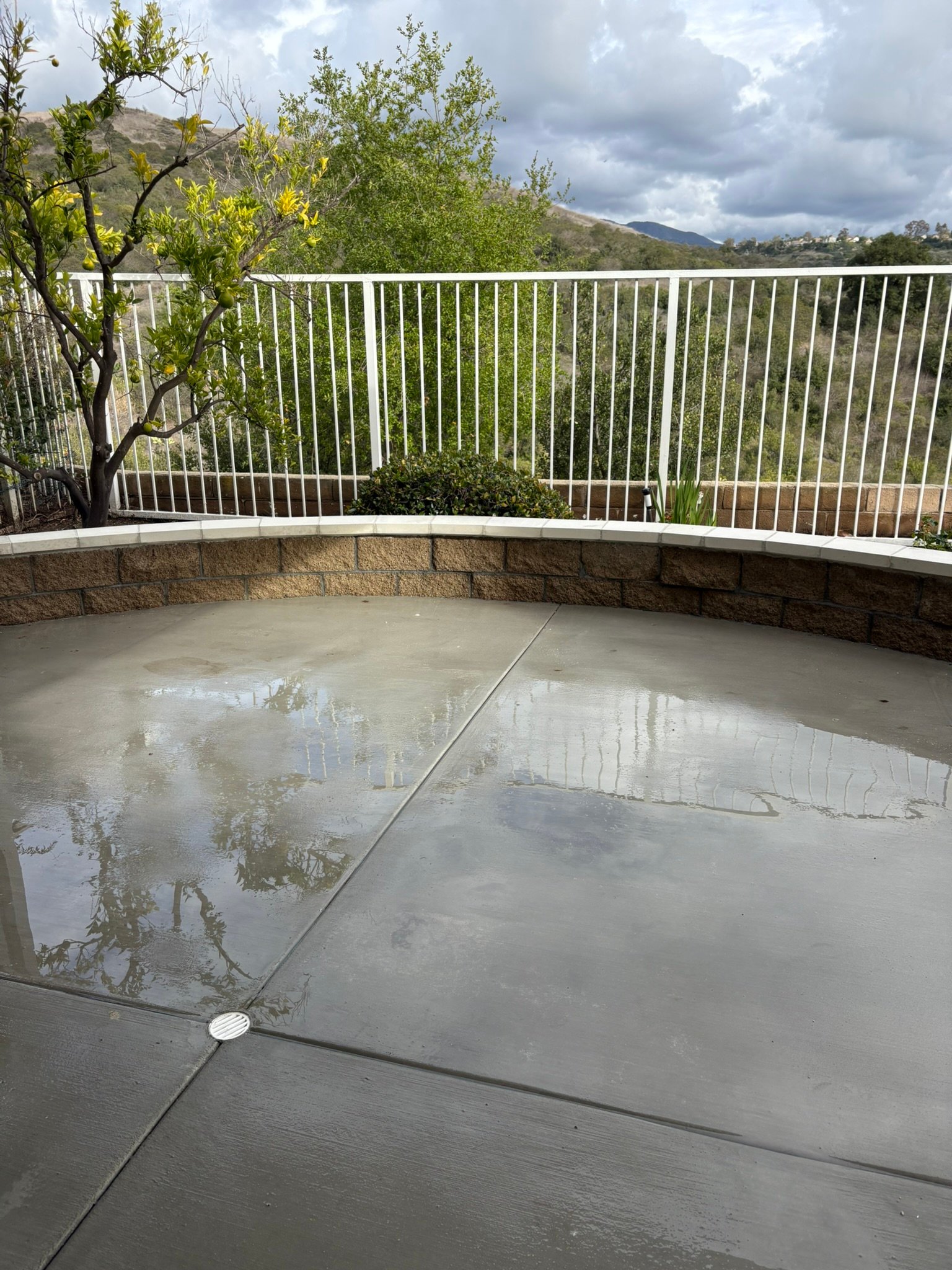
Some damage is more serious than simple surface wear.
Common driveway replacement warning signs include:
If several of these signs are present, replacement may be the better long-term option.
Repair may be enough when the damage is small, isolated, and not tied to a larger issue.
Repair may make sense for:
Repair can help slow damage and improve appearance.
Still, the driveway should be reviewed if cracks are growing, water is pooling, or uneven sections are forming.
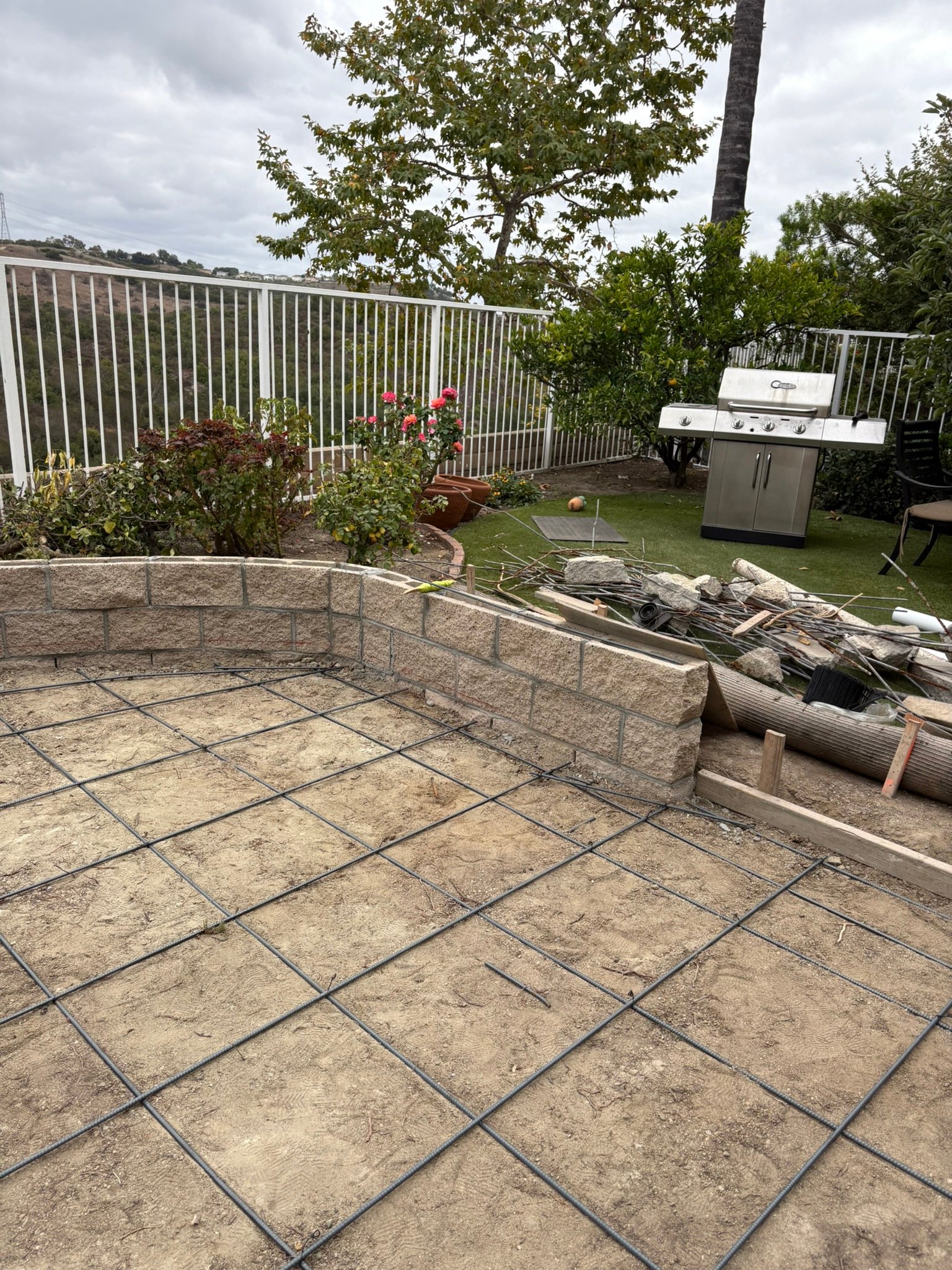
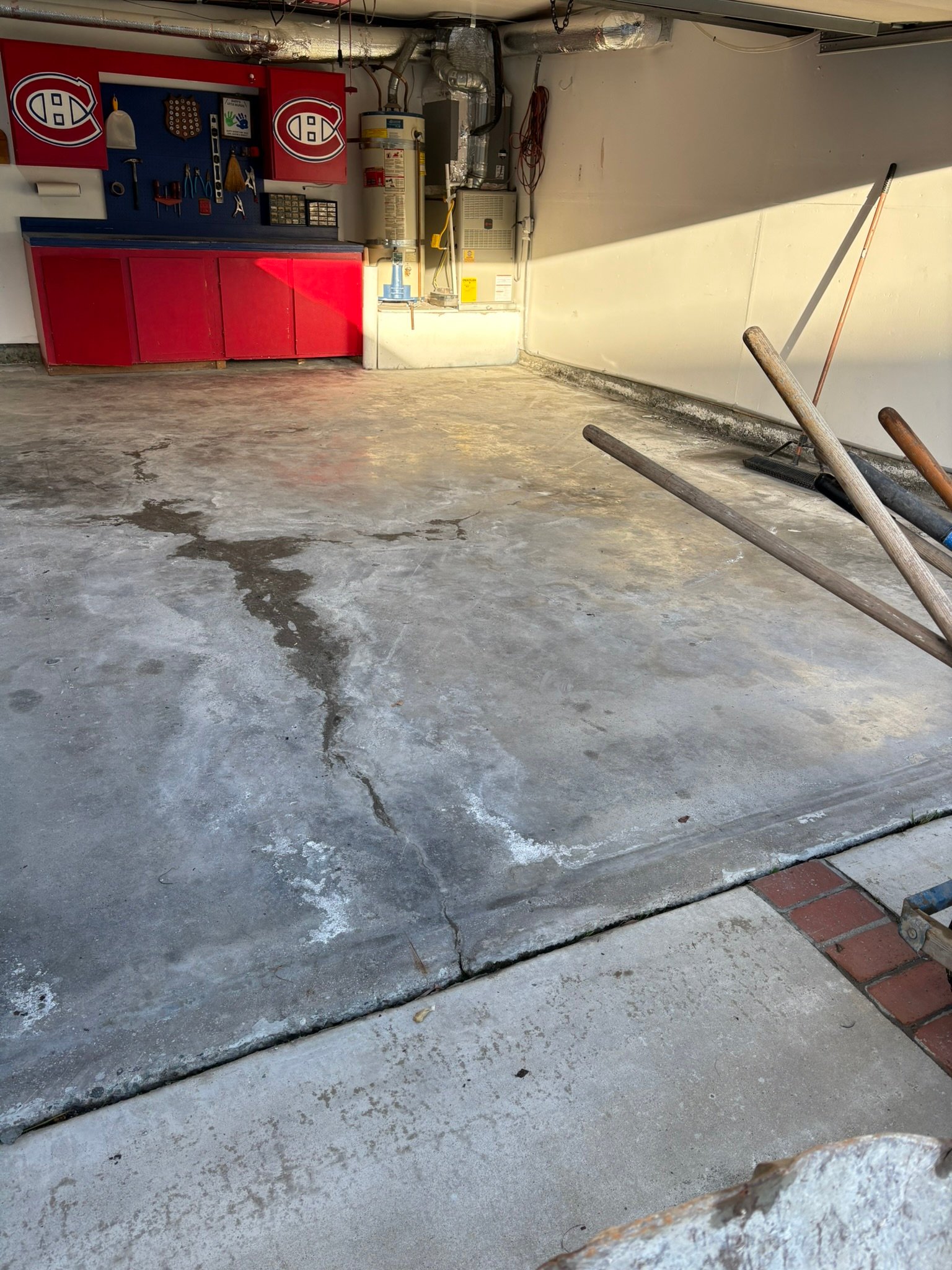
Replacement may be better when the driveway has structural or repeated problems.
Replacement may make sense when:
For replacement service details, visit our concrete driveway installation page.
Repair, resurfacing, and replacement are not the same.
Repair usually focuses on small problem areas.
It may help with cracks, chips, or minor surface damage.
Repair is usually best when the driveway is still stable and the damage is limited.
Resurfacing adds a new surface layer over existing concrete.
It may help with appearance in some cases, but it is not always the right choice.
Resurfacing may not be a good fit when the driveway has:
Replacement removes the old concrete and creates a new driveway surface.
It is usually the better choice when the old driveway has deeper problems that surface repair cannot fix.
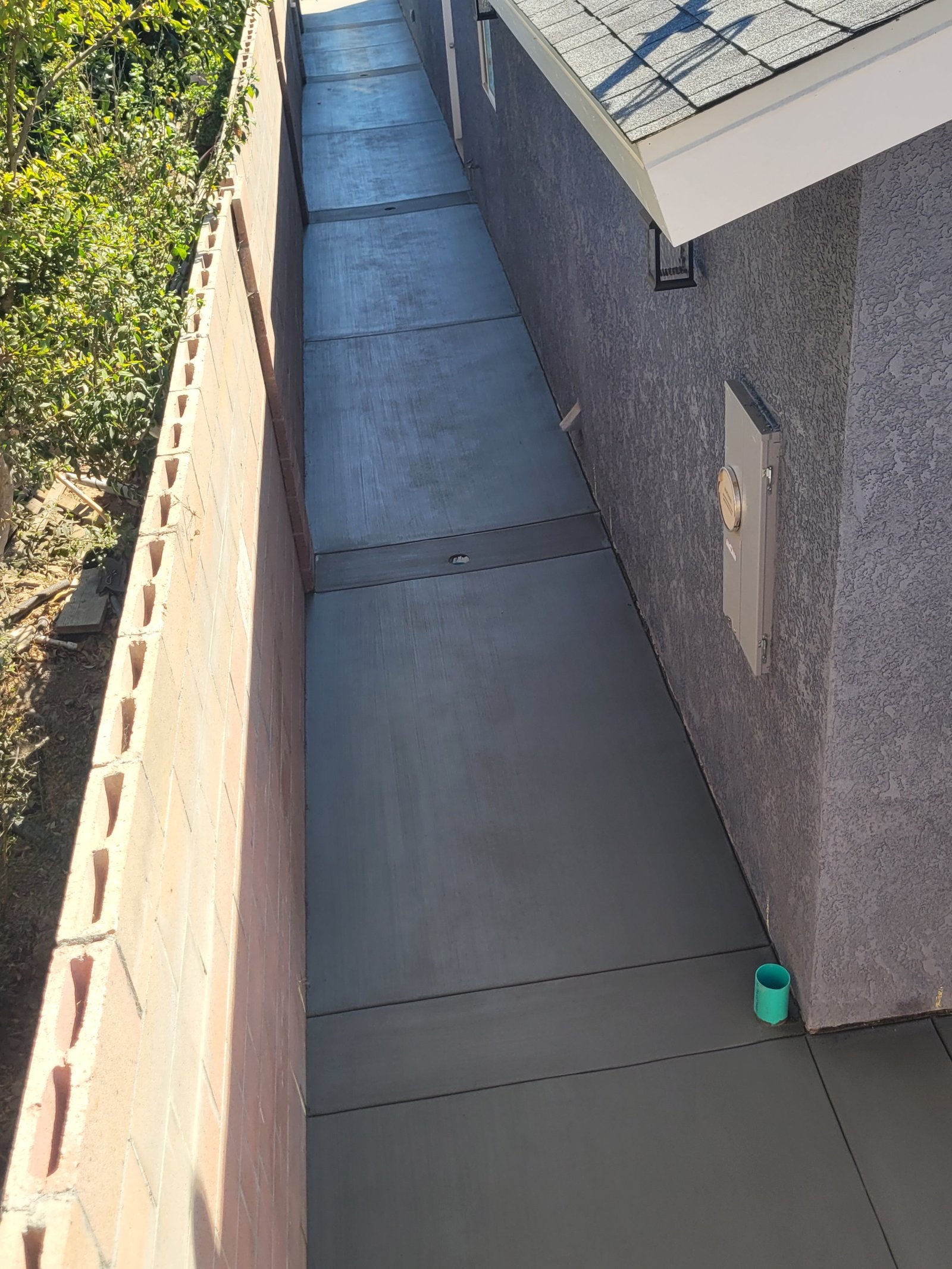
A driveway cracks repair or replace decision should look at the cause of the cracks.
Small surface cracks may be repairable.
Cracks may point toward replacement when they are:
Ask this simple question:
Is the crack only a surface issue, or is it a sign that the driveway is moving?
If the driveway is moving, sinking, or holding water, replacement may be more practical than repeated repairs.
Sunken driveway sections need careful review.
A sunken section may mean the concrete below the surface has lost support.
Common causes include:
A sunken area can create:
If the driveway sank because of water or base failure, a surface patch may not solve the problem.
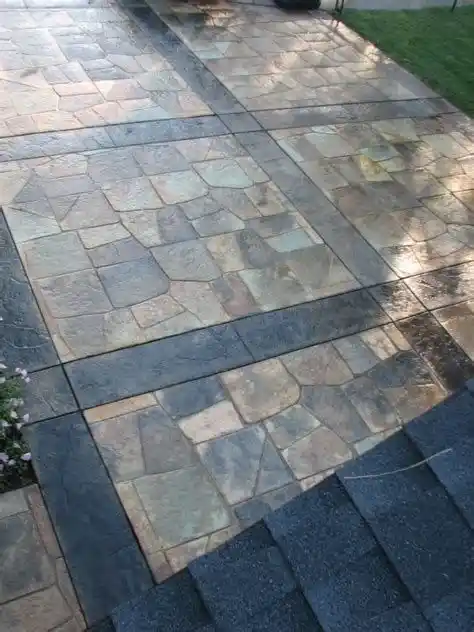
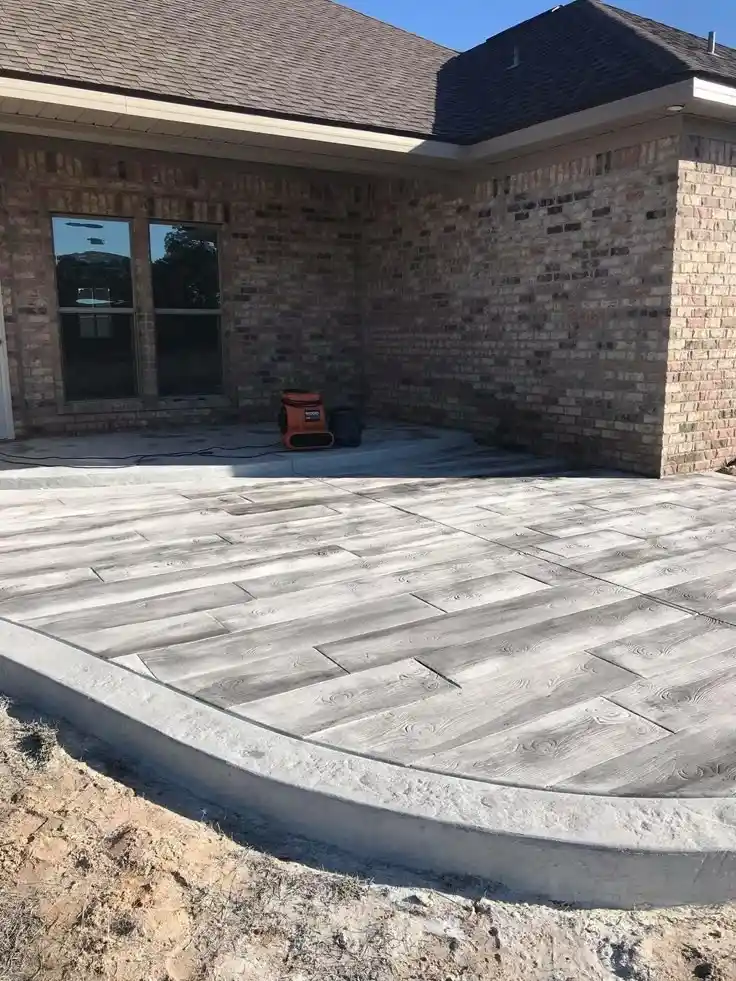
Drainage can decide whether repair or replacement makes sense.
A driveway with poor drainage may keep cracking, staining, sinking, or holding water even after a repair.
Drainage problems may include:
If drainage caused the damage, the drainage issue should be reviewed before new concrete is installed.
For drainage service details, visit our concrete drainage systems page.
Grading and base preparation can affect how long a driveway lasts.
A driveway may fail early if the base was weak, uneven, poorly compacted, or not shaped for proper water flow.
Signs of grading or base problems include:
If the base or grade is part of the problem, driveway replacement may need grading and base correction before the new concrete is poured.
For grading service details, visit our grading page.
Old concrete removal matters when the existing driveway is too damaged to support a lasting solution.
Old driveway removal may be needed when the concrete is:
Removal can add demolition, hauling, disposal, base review, grading, and cleanup.
For demolition service details, visit our demolition page.
Repair and replacement have different cost factors.
Driveway repair cost may depend on:
Driveway replacement cost may depend on:
For more pricing details, read our concrete driveway cost guide.
Patching can be useful for small problems.
But repeated patching can become expensive when the driveway has a deeper issue.
Repeated patches may mean:
If you repair the same areas again and again, replacement may be more cost-effective over time.
A new driveway can also allow the contractor to review grading, drainage, base preparation, thickness, layout, and finish before the new concrete is installed.
A driveway should be safe and easy to use.
Repair or replacement may be needed when the driveway creates:
Driveways are used every day. The decision should consider safety, not only appearance.
Some driveway issues are mostly cosmetic.
Others affect safety or long-term performance.
Cosmetic concerns may include:
Performance concerns may include:
If appearance is the main issue and the driveway is stable, repair or surface improvement may be enough.
If the driveway no longer works well, replacement may be the better choice.
Replacement may be a good time to improve the driveway layout.
You may want to replace the driveway if you need:
Layout changes are usually easier during replacement than during repair.
For related walkway planning, visit our concrete walkway contractor page.
If you replace the driveway, you can also choose the finish.
Common driveway finish options may include:
Finish choice can affect traction, appearance, maintenance, and cost.
To compare finish options, read:
For finish service details, visit our decorative concrete finishes page.
A driveway replacement project usually follows a clear process.
Common steps may include:
For a full process overview, read our how concrete installation works guide.
New concrete needs time to cure before vehicle use.
The waiting time can depend on:
Do not rush vehicle traffic onto new concrete. Driving too soon can damage the surface or affect long-term performance.
Read our how long before driving on new concrete guide for more details.
Some driveway projects may involve city rules, HOA requirements, property management approval, or plan review.
This may matter when the project affects:
Read our concrete permits in Orange County guide for more planning details.
If the driveway connects to an accessible route, visit our ADA concrete ramp requirements guide and ADA concrete work page.
You do not need to know everything before calling.
Still, these details can help:
Clear photos are especially helpful when deciding whether repair or replacement may be the better next step.
You may need a driveway estimate if you notice:
Call Odell Concrete at (714) 717-1771 to request a free estimate.
Use these related guides if you are still comparing options:
For all guides, visit the Odell Concrete resource center.
Need help deciding whether driveway repair or replacement makes more sense?
Call Odell Concrete at (714) 717-1771 to request a free estimate.
You can also visit the contact page and share your driveway photos, approximate size, current condition, drainage concerns, access details, and finish preferences.
It depends on the damage. Repair may work for small cracks or minor surface issues. Replacement may be better if the driveway is badly cracked, sunken, uneven, holding water, patched many times, or failing because of base or drainage problems.
You may need replacement when the driveway has wide cracks, many connected cracks, sunken sections, poor slope, water pooling, broken edges, trip hazards, or repeated repairs that do not last.
Yes. Small isolated cracks may be repairable if the driveway is stable and drainage is working. If cracks are spreading, uneven, or connected to sinking, the driveway should be reviewed more carefully.
They can be. A sunken driveway section may point to weak base support, water under the slab, soil movement, erosion, or poor compaction. If the cause is below the surface, replacement may be better than patching.
Not always, but water pooling should be reviewed. Standing water may come from poor slope, low spots, settlement, or drainage problems. If drainage caused the driveway damage, that issue should be addressed before new concrete is installed.
No. Resurfacing adds a new surface layer over existing concrete. Replacement removes the old driveway and installs new concrete. Resurfacing may not be a good fit when the driveway has major cracks, sinking, drainage problems, or base failure.
Repairs may fail when the real problem is below the surface. Weak base material, poor drainage, soil movement, heavy vehicle use, or bad slope can cause cracks and sinking to return.
Driveway replacement usually includes old concrete removal, hauling, base review, grading or drainage review if needed, form setup, concrete placement, finish work, curing guidance, and cleanup.
Yes. Replacement may be a good time to widen the driveway, improve parking space, adjust the slope, add a walkway connection, improve drainage, or choose a new finish.
Replacement may be better if the same cracks, sinking, or drainage problems keep coming back. Repeated patching can become expensive when the cause is weak base support, soil movement, or poor water flow.
Send photos, approximate size, current driveway condition, cracks, sinking, water pooling, access notes, finish preferences, whether the driveway has been patched before, and whether old concrete may need removal.
Call Odell Concrete at (714) 717-1771 or visit the contact page to request a free estimate.
The right choice should match the condition of the driveway, the cause of the damage, your safety needs, your budget, and your long-term plans.
If you are comparing concrete driveway repair vs replacement, call Odell Concrete at (714) 717-1771 to request a free estimate.
Odell Concrete Construction, serving Southern California since 1976 with trusted, durable, and professional concrete solutions.
Copyright © 2026 Darren B Odell. All rights reserved