- cretemaster72@gmail.com
- Garden Grove, CA 92649
- Mon-Sun 7 AM–7 PM

Menu
Planning a new patio and wondering if you need drainage before concrete patio installation?
Drainage should be reviewed before concrete is poured. Once the patio is installed, fixing water problems can become harder and more expensive.
A concrete patio needs the right slope, base preparation, water-flow plan, and drainage path. Water should move away from the home, doors, foundation, walkways, side yards, and low areas.
This guide explains patio drainage planning before concrete, when drainage may be needed, and should drainage be laid before new patio work begins.
Odell Concrete has served Orange County since 1976. We help homeowners, HOAs, property managers, builders, and business owners plan concrete patios, drainage, grading, old concrete removal, surface slope, and new concrete installation.
Established in 1976
Licensed & Insured
California Contractor License #1065525
Serving Orange County and nearby Southern California communities
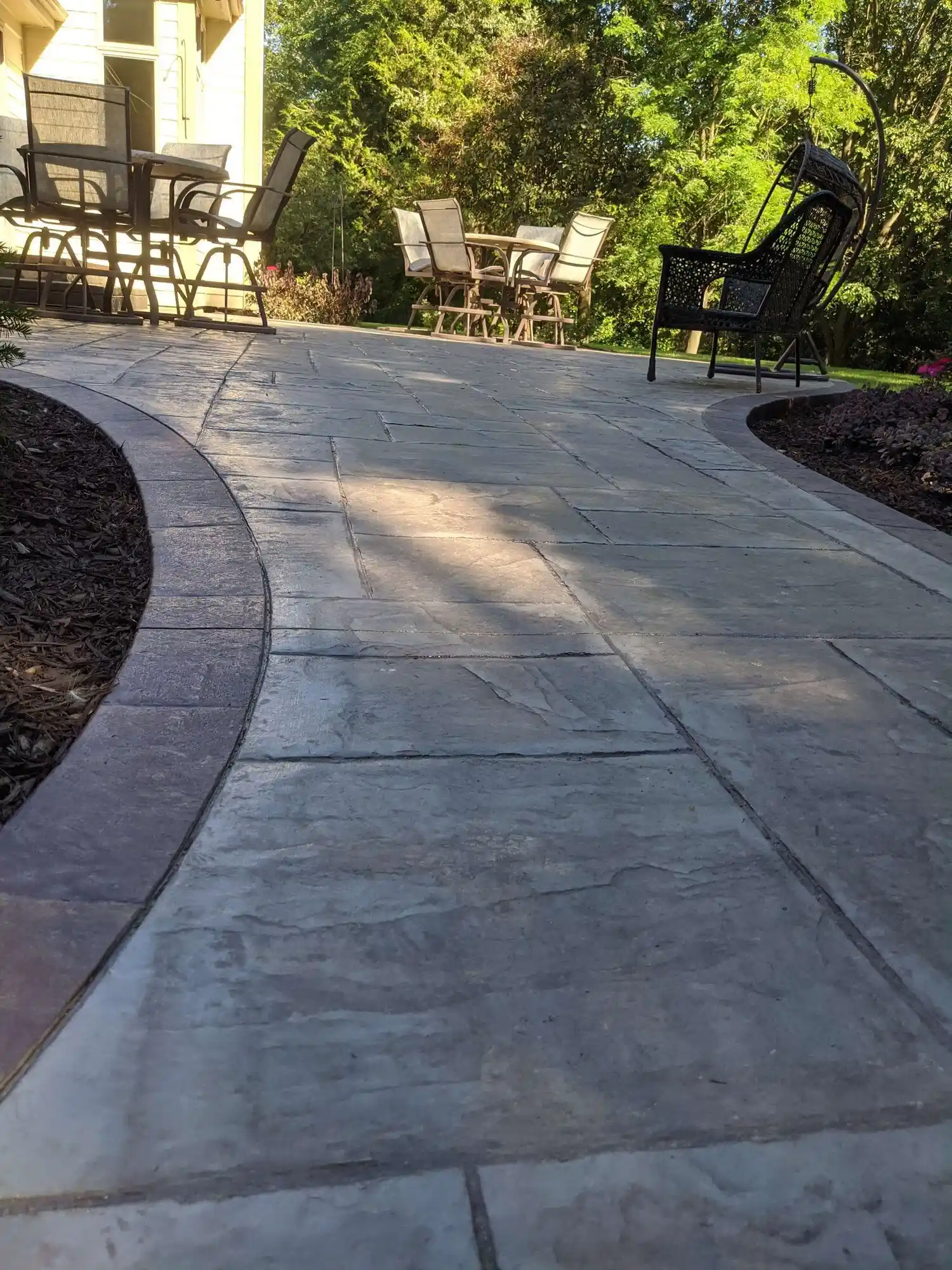
This guide helps you understand why drainage should be reviewed before installing a new concrete patio.
It covers:
For patio service details, visit our concrete patio construction page.
For drainage service details, visit our concrete drainage systems page.
For more planning help, visit the Odell Concrete resource center.
Yes. Drainage should be reviewed before a new concrete patio is poured.
A patio can look finished on the surface but still cause problems if water has nowhere to go.
Drainage planning may be needed when:
If water sits in the project area now, it should be reviewed before new concrete is installed.
Concrete patios need water to move away from the home and off the surface.
Poor drainage can lead to:
A patio should not trap water next to the house.
The drainage plan should answer one simple question:
Where will the water go after the patio is installed?
If drainage is ignored, the patio may create problems after the concrete is already finished.
Common problems include:
It is usually easier to plan drainage before the pour than to fix drainage after the patio is installed.
A good patio plan should review the full site, not only the patio shape.
Slope controls where water moves.
A patio should usually slope away from the home, doors, and foundation areas.
Slope problems may happen when:
If the slope is wrong before the pour, the new patio may repeat the same drainage problem.
For grading service details, visit our grading page.
Water needs a clear path.
Before a patio is installed, the project should review where water comes from and where it should go.
Water may come from:
Good water flow patio preparation helps prevent water from getting trapped after the patio is poured.
Low spots can collect water.
A low spot may already exist in the yard, or it may form when old concrete settles.
Low spots may appear near:
If the patio is poured without fixing the low area, water may continue to sit in the same place.
The base below the patio matters.
If the base is soft, uneven, poorly compacted, or too wet, the concrete may move or settle over time.
Base problems can lead to:
Good patio drainage planning should include base review, not only surface slope.
Downspouts can send a lot of water toward a patio.
Before new concrete is installed, check where roof water goes.
Downspout problems may include:
A downspout may need to be redirected before or during patio planning.
Side yards often have drainage issues because they can be narrow, flat, or blocked by fences, walls, gates, and landscaping.
Side-yard drainage problems may include:
If a new patio connects to a side yard, the side-yard drainage path should be reviewed.
A new patio often connects to other surfaces.
These may include:
Each connection can affect how water moves.
If a walkway, border, or existing slab blocks water flow, the patio may hold water after installation.
For walkway service details, visit our concrete walkway contractor page.
Site runoff planning before pour means reviewing water movement before the patio is built.
This helps avoid drainage problems after the concrete is already in place.
A site runoff review may look at:
A patio should be designed around the site, not forced into a layout that traps water.
A drainage layout for patio planning should answer three questions:
Depending on the site, the drainage layout may include:
Not every patio needs the same drainage solution.
A small patio with a good slope may only need proper surface planning. A flat yard with trapped water may need grading or drainage before concrete is poured.
Water flow patio preparation should happen before forms are set and concrete is poured.
This step helps the patio work with the property instead of against it.
Water flow preparation may include:
Photos after rain or washing can help show how water moves through the patio area.
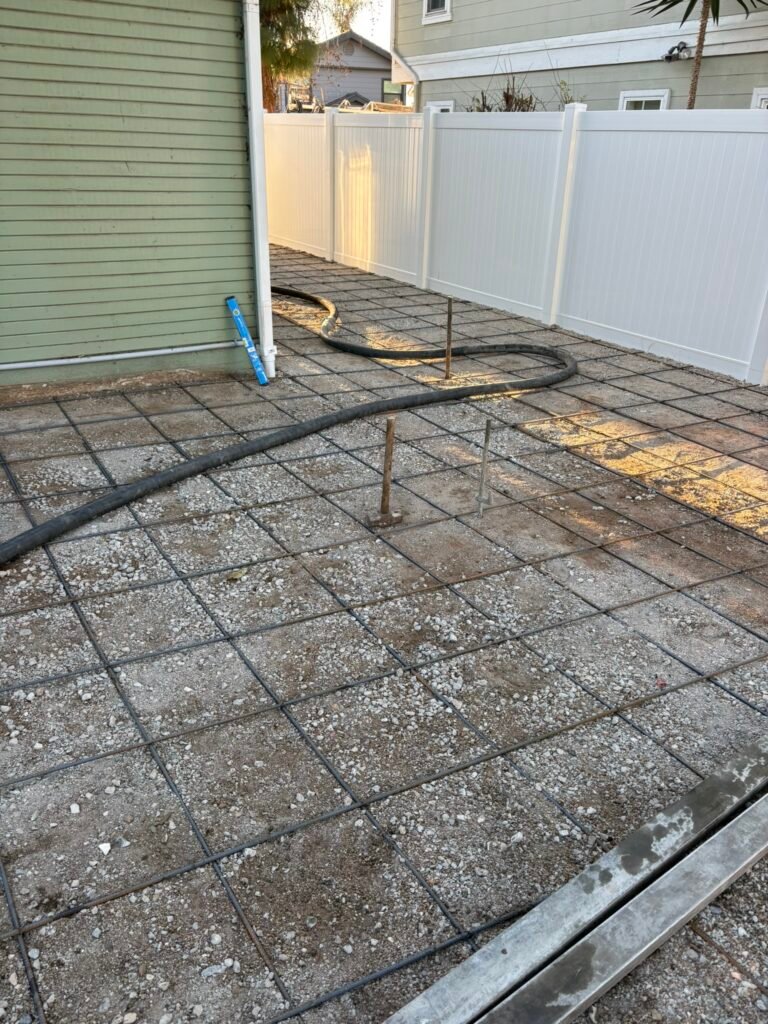
You may need drainage planning before patio installation if you notice:
If any of these signs are present, the drainage should be reviewed before the patio is poured.
Backyard patios often need careful drainage planning because they connect to doors, lawns, side yards, walkways, landscaping, and outdoor living areas.
Backyard patio drainage should consider:
A backyard patio should not push water toward the home.
If the yard already holds water, drainage should be reviewed before new concrete is installed.
Side-yard patios can be useful, but they often have limited room for water flow.
A side-yard patio may need drainage planning when:
Side-yard work may also require careful grading because small changes can affect where water goes.
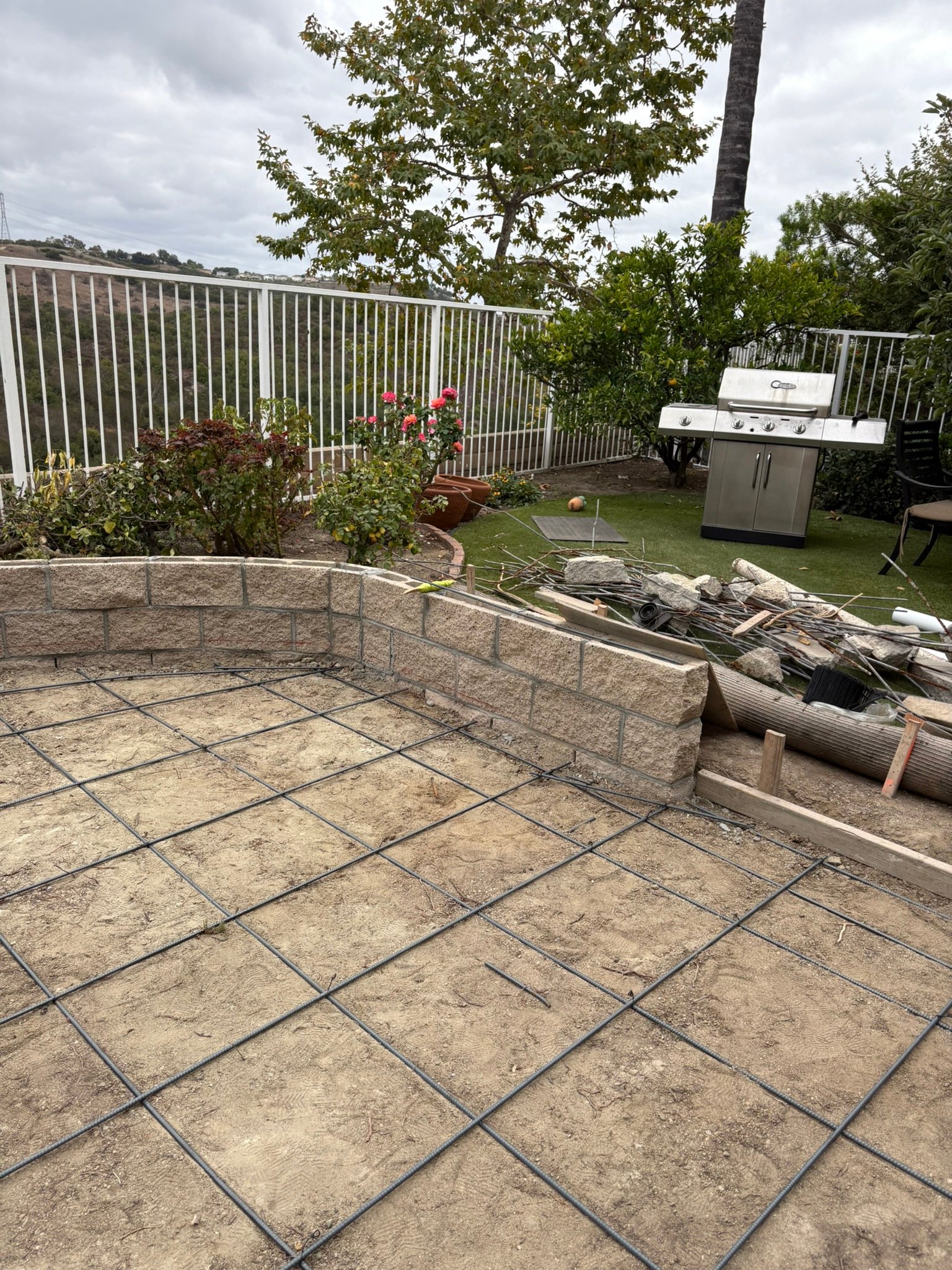
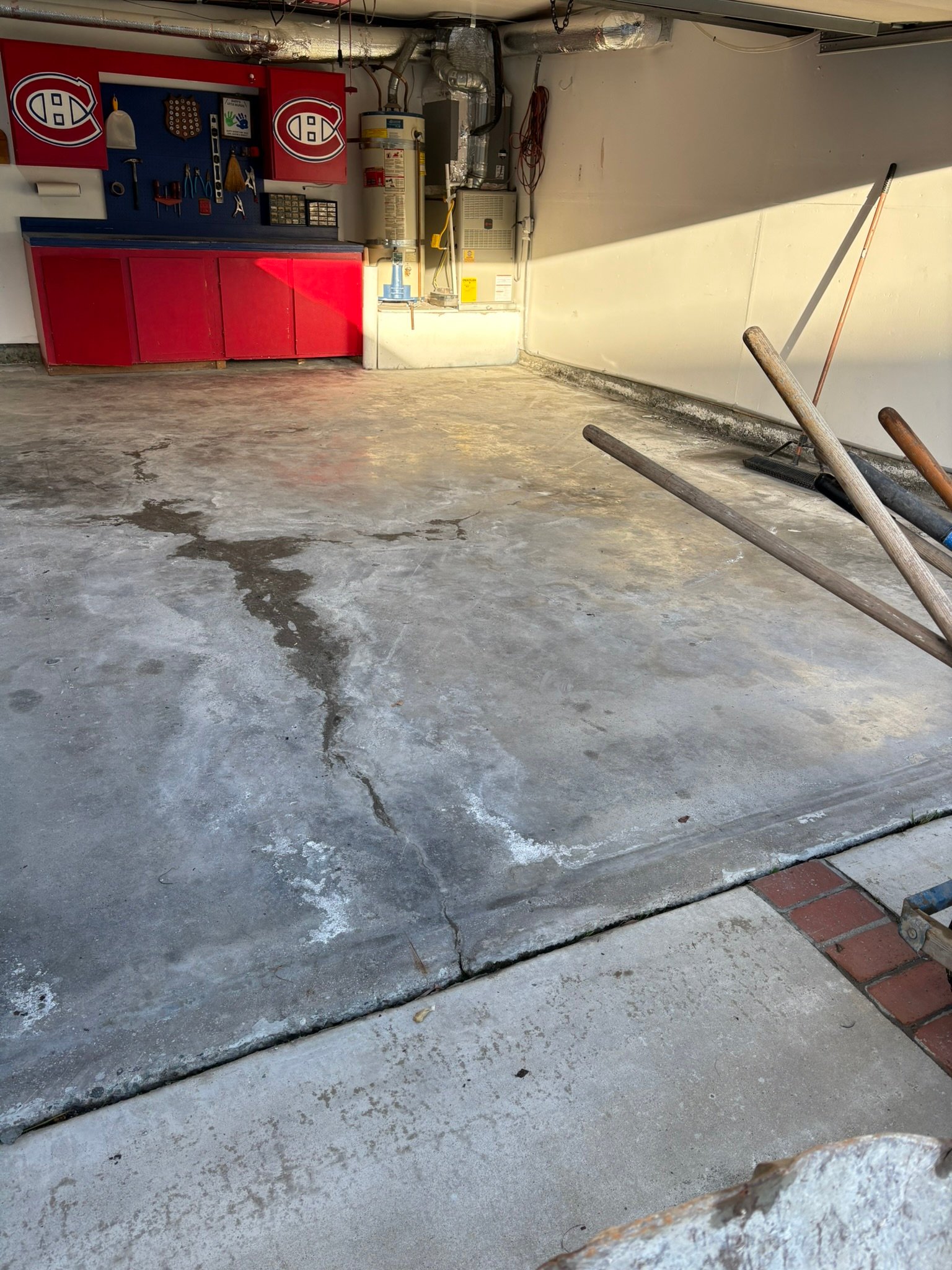
Patios near doors need special attention.
Water should not sit against door thresholds or move toward the home.
Drainage should be reviewed if the patio will connect to:
Poor drainage near doors can create water intrusion concerns, slippery spots, stains, and repeated surface problems.
Water should move away from the foundation.
If a patio is planned near the home, drainage and slope should be reviewed carefully.
Foundation-adjacent patio concerns may include:
A patio should be planned so water does not sit next to the structure.
Grading may be needed when the ground does not move water in the right direction.
Grading can help shape the area before the patio is poured.
Grading may be reviewed when:
For grading service details, visit our grading page.
Underground drainage may be needed when surface slope alone is not enough.
It may be worth reviewing when:
For underground drainage service details, visit our underground drainage page.
Surface drains may be needed when water must be collected from a specific area.
A surface drain may be considered near:
A drain should have a clear outlet.
Installing a drain without a proper outlet may not solve the water problem.
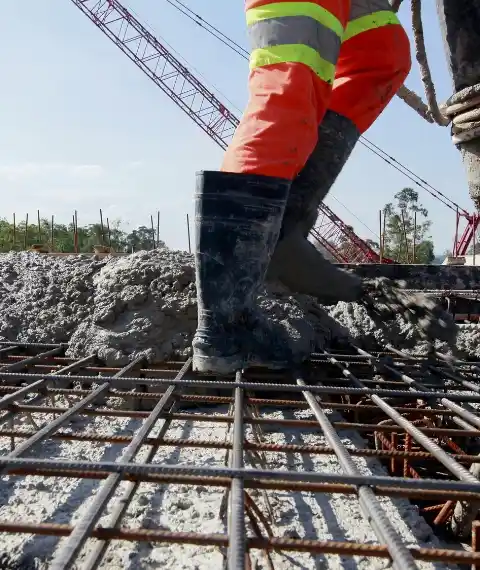
Old concrete may need removal before new patio installation if it is cracked, sunken, poorly sloped, or holding water.
Old concrete removal may be needed when the existing surface has:
Removal can add demolition, hauling, disposal, base review, grading, drainage planning, and cleanup.
For demolition service details, visit our demolition page.
Drainage and concrete thickness are different issues, but both matter.
Drainage helps water move correctly.
Concrete thickness helps support the surface based on how the patio will be used.
Patio thickness and preparation may depend on:
A strong patio still needs proper drainage.
A thick slab can still hold water if the slope and drainage plan are wrong.
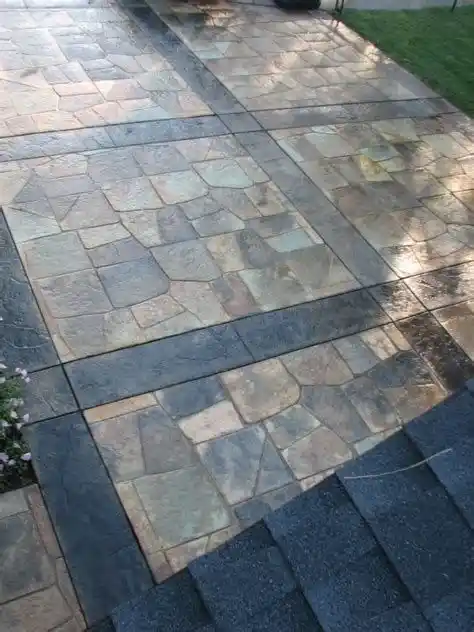
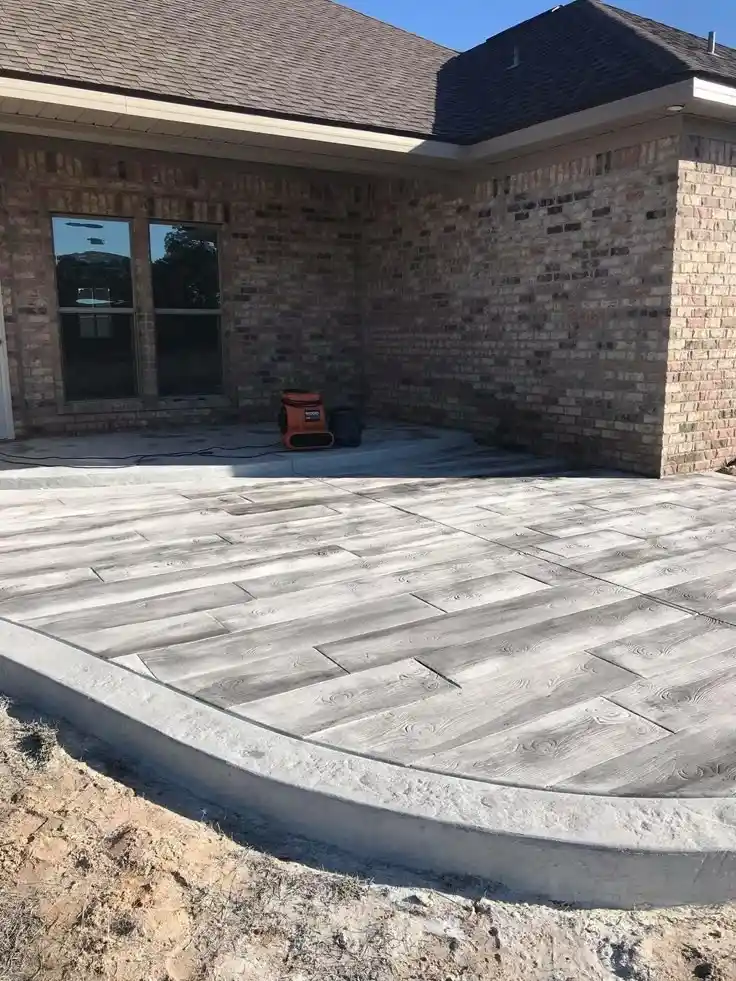
A patio finish can affect how the surface feels, but it does not fix bad drainage by itself.
Common patio finish options include:
A textured finish may help with surface grip, but the patio still needs proper slope and water flow.
To compare finish options, read:
For finish service details, visit our decorative concrete finishes page.
Drainage can affect the cost of a patio project when extra work is needed before the pour.
Cost factors may include:
For patio pricing details, read our concrete patio cost guide.
Patio problems often start before concrete is poured.
Common mistakes include:
A patio should be planned around water flow from the beginning.
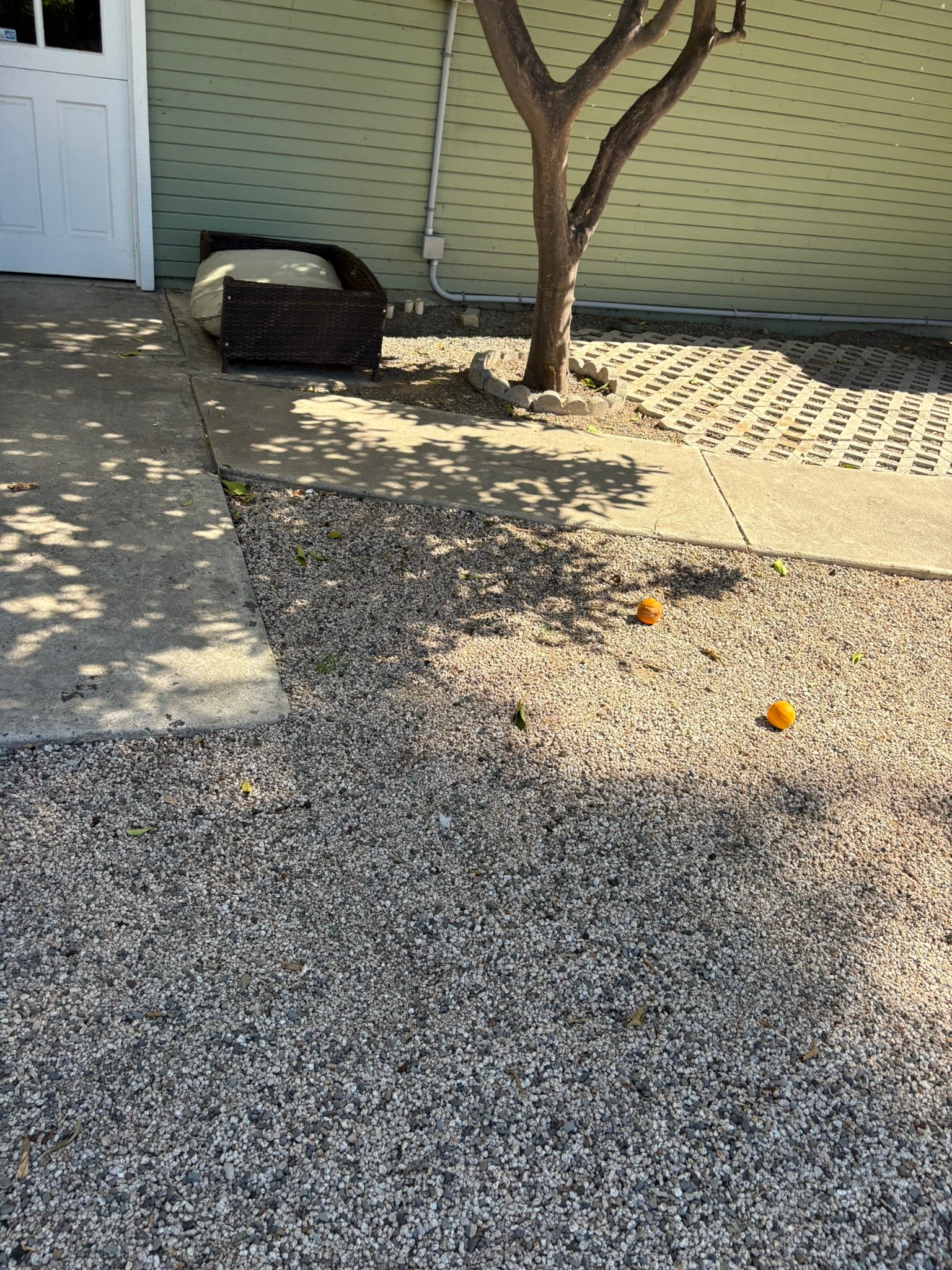
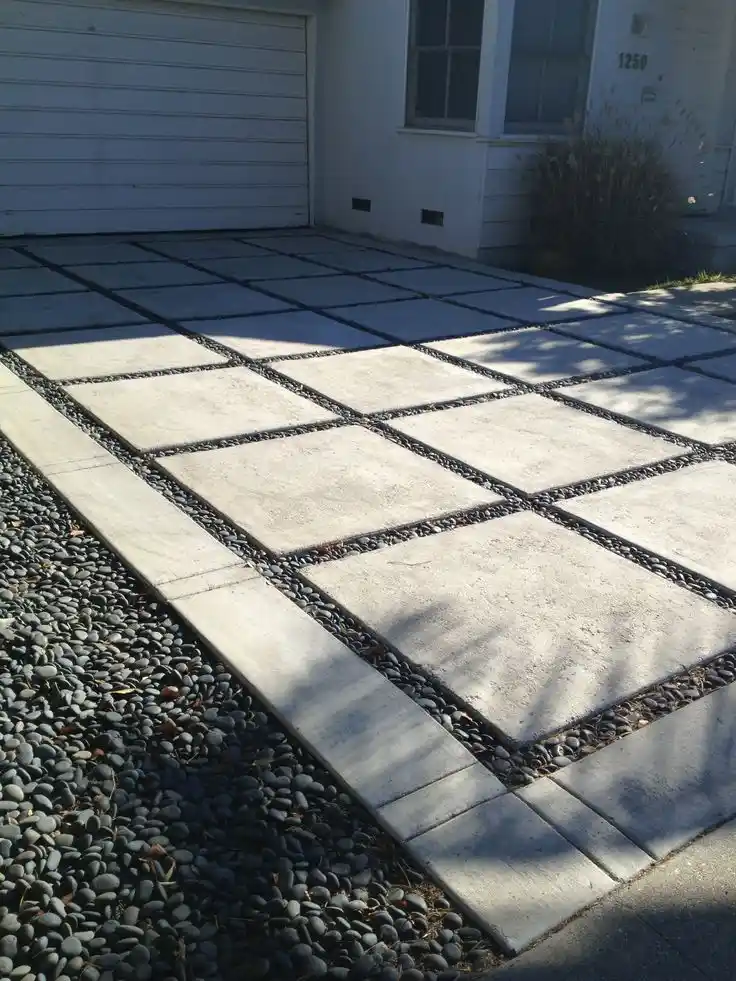
A patio project usually follows a clear process.
Common steps may include:
For a full process overview, read our how concrete installation works guide.
You do not need to diagnose the drainage problem yourself.
Still, these details can help:
Photos after rain are especially helpful for drainage planning.
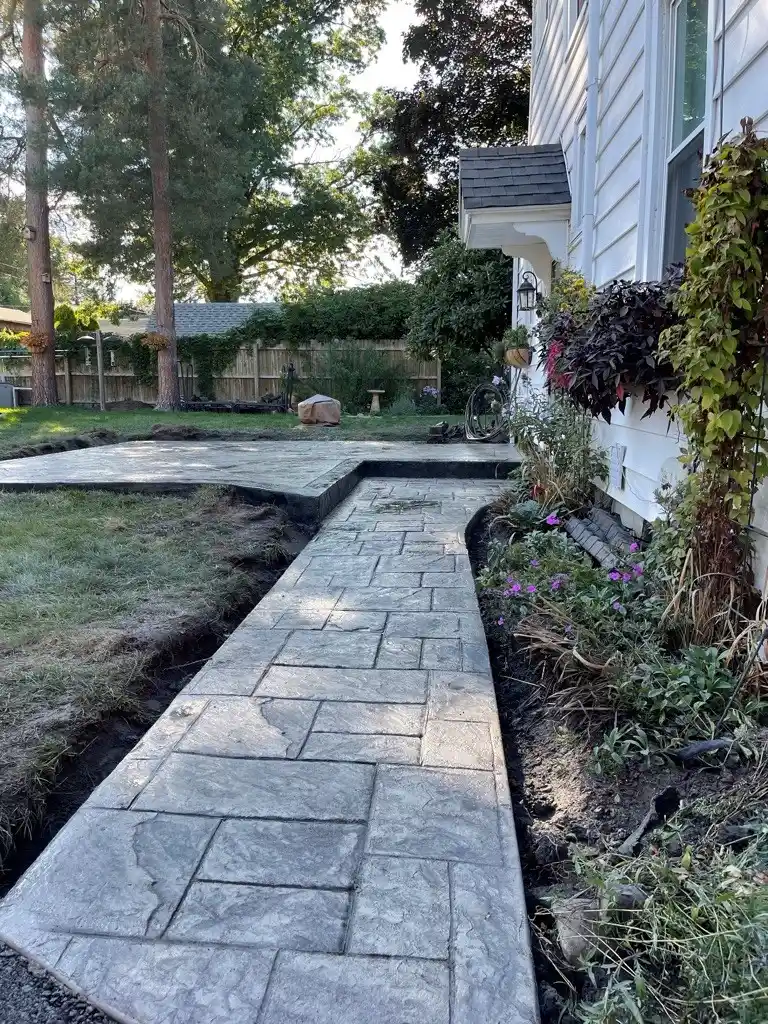
You may need a patio and drainage estimate if you notice:
Call Odell Concrete at (714) 717-1771 to request a free estimate.
Use these related guides if you are still comparing options:
For all guides, visit the Odell Concrete resource center.
Need help planning drainage before a concrete patio?
Call Odell Concrete at (714) 717-1771 to request a free estimate.
You can also visit the contact page and share your patio photos, water-flow concerns, drainage issues, access details, and whether old concrete needs removal.
You may need drainage before a concrete patio if water already collects in the area, the yard slopes toward the home, the patio area is flat, or water has no clear path away from the surface.
Drainage should be reviewed before a new patio is poured. If drains, grading, or water-flow corrections are needed, they are usually easier to plan before concrete installation.
Poor drainage can cause water pooling, slippery areas, staining, cracking, base movement, soil erosion, settlement, and water near the home or foundation.
Water should move away from the home, doors, foundation, walkways, and low areas. The exact drainage path depends on the patio layout, slope, yard grade, and available outlet.
A wet area should be reviewed before pouring concrete. The site may need grading, drainage correction, base preparation, or water redirection before the patio is installed.
Sometimes, but it can be more difficult and may require cutting, drains, grading changes, or concrete replacement. It is usually better to review drainage before the patio is poured.
In most cases, yes. A patio should be planned so water moves away from the home, doors, and foundation areas instead of collecting against the structure.
No. A textured finish may improve surface grip, but it does not fix poor slope, low spots, drainage problems, or water moving toward the home.
Underground drainage may be needed when water has no clear outlet, side-yard drainage is trapped, downspouts need redirection, or surface slope alone cannot move water away from the area.
A surface drain may be needed when water collects in a specific low area and needs to be captured before it reaches doors, walls, walkways, or outdoor living areas. The drain should also have a clear outlet.
Send photos of the area when dry and after rain, approximate patio size, where water collects, how long it stays, downspout locations, side-yard access notes, existing concrete condition, and finish preferences.
Call Odell Concrete at (714) 717-1771 or visit the contact page to request a free estimate.
The right patio plan should account for water before concrete is poured.
If you are planning a new patio and need help with drainage before concrete patio installation, call Odell Concrete at (714) 717-1771 to request a free estimate.
Odell Concrete Construction, serving Southern California since 1976 with trusted, durable, and professional concrete solutions.
Copyright © 2026 Darren B Odell. All rights reserved