- cretemaster72@gmail.com
- Garden Grove, CA 92649
- Mon-Sun 7 AM–7 PM

Menu
Wondering why water pools on concrete after rain, sprinklers, or washing?
Standing water is more than a surface nuisance. It can point to poor slope, low spots, drainage issues, sunken concrete, base movement, grading problems, or water moving in the wrong direction.
This guide explains the most common standing water on concrete causes and what to watch for on patios, driveways, walkways, side yards, entries, and outdoor concrete surfaces.
It also explains how to fix water pooling on patio driveway walkway areas when the issue is more than a simple puddle.
Odell Concrete has served Orange County since 1976. We help homeowners, HOAs, property managers, builders, and business owners plan concrete drainage, grading, driveway replacement, patio replacement, old concrete removal, and new concrete installation.
Established in 1976
Licensed & Insured
California Contractor License #1065525
Serving Orange County and nearby Southern California communities
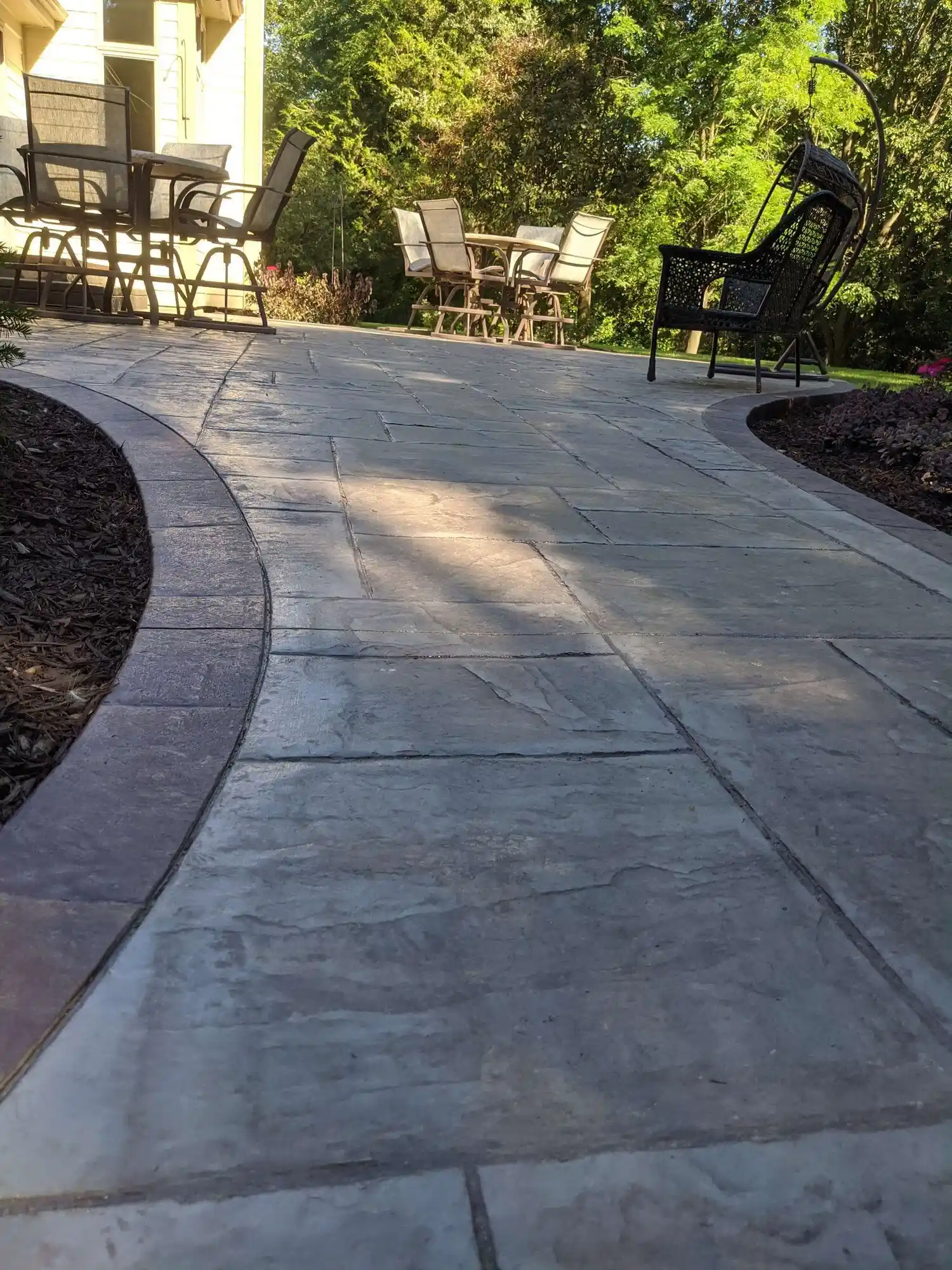
This guide helps you understand why water may collect on concrete and what may need to be reviewed before repair, drainage work, grading, or replacement.
It covers:
For drainage service details, visit our concrete drainage systems page.
For more planning help, visit the Odell Concrete resource center.
Water usually pools on concrete when it cannot flow away from the surface.
Common causes include:
Concrete should help water move away from doors, garages, foundations, walkways, and low areas.
If water keeps sitting in the same place, the surface, slope, base, and drainage path should be reviewed.
A small amount of water after rain may dry quickly.
Standing water becomes a concern when it sits in the same spot often or stays there longer than expected.
Water pooling can lead to:
The goal is not only to remove the puddle.
The goal is to understand why the water is staying there.
Water pooling usually has a cause. Some causes are easy to see. Others are below the surface.
Concrete needs slope so water can move away from the surface.
If the concrete is too flat or slopes in the wrong direction, water may collect instead of draining.
Poor slope may cause water to collect near:
If water moves toward the home, the slope should be reviewed before new concrete is installed.
For grading service details, visit our grading page.
A low spot is a shallow dip in the concrete surface.
Low spots can form because of installation issues, settlement, weak base support, drainage problems, or surface movement over time.
Low spots may appear on:
If water always collects in the same spot, that area may be lower than the surrounding concrete.
Concrete can sink when the base below it loses support.
Sunken concrete may happen because of:
A sunken section can trap water and create a low area.
If the concrete has dropped, the issue may not be only on the surface. The base and drainage should be reviewed too.
Some concrete surfaces pool water because drainage was not planned before the pour.
Drainage planning should consider:
If drainage is not planned early, water may collect after the concrete is finished.
For patio-specific planning, read our drainage before concrete patio guide.
Sometimes water pools because the path is blocked.
Water flow may be blocked by:
If water has no clear place to go, it will stay in the lowest area.
Older concrete can settle over time.
Settlement may happen slowly. At first, the surface may only hold a little water. Later, the low area may become more noticeable.
Settlement can cause:
If the surface is cracked and holding water, read our concrete driveway repair vs. replacement guide for driveway-specific guidance.
The base below concrete matters.
If the base is soft, uneven, poorly compacted, or washed out, the concrete can move or sink.
Base problems may lead to:
A surface fix may not last if the base below the concrete is still weak.
Water can cause problems when it moves below the concrete.
Water under the slab may wash out the base, soften soil, and create movement.
Warning signs may include:
If water is moving under the concrete, drainage should be reviewed before replacement.
Water from downspouts, sprinklers, or landscape irrigation can add to concrete pooling problems.
This may happen when:
Water sources around the concrete should be reviewed before deciding how to fix the surface.
A simple standing water diagnosis concrete review looks at the surface, water source, slope, and drainage path.
Start by checking:
Photos after rain or washing can be very helpful.
Try to take pictures from several angles so the slope and low spots are easier to see.
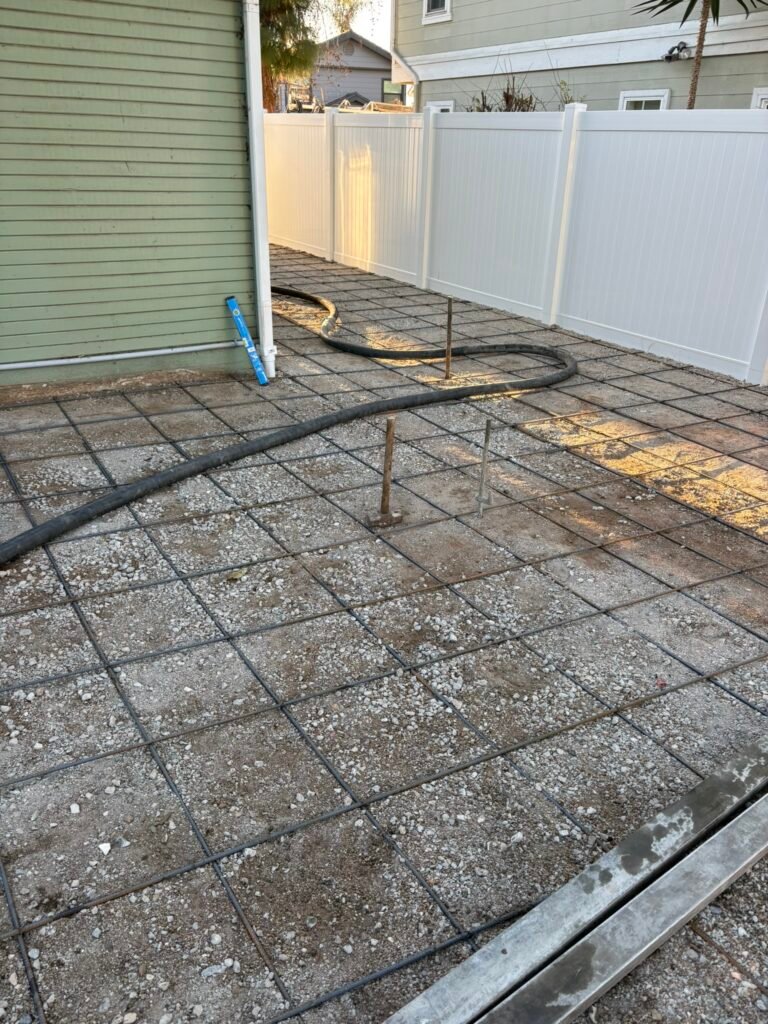
Concrete should help water move away from the property.
Common concrete slope problem signs include:
If the concrete slopes the wrong way, drainage correction may be needed before new concrete is poured.
Patios often pool water when the surface is too flat, poorly sloped, settled, or blocked by nearby landscaping.
Patio water pooling may happen near:
Standing water on a patio can create slippery areas, stains, surface wear, and drainage concerns near the home.
If you are planning a new patio where water already collects, read our drainage before concrete patio guide.
For patio service details, visit our concrete patio construction page.
Driveways need the right slope and drainage because they handle vehicles, foot traffic, and water flow from the street, garage, and property.
Driveway water pooling may happen because of:
Pooling water can make a driveway slippery and may lead to cracking, staining, base movement, or repeated repair problems.
For driveway cost planning, read our concrete driveway cost guide.
For driveway service details, visit our concrete driveway installation page.
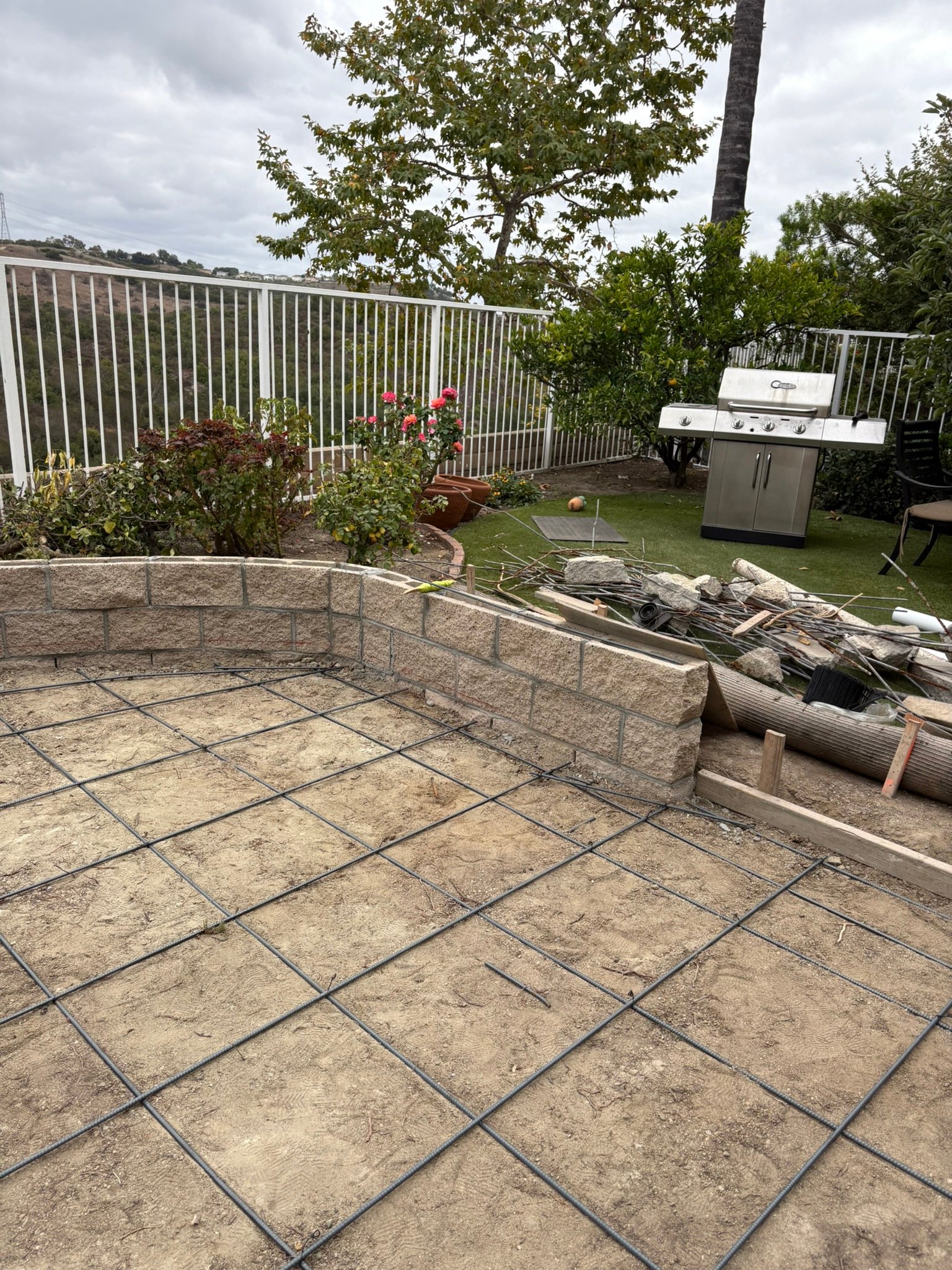
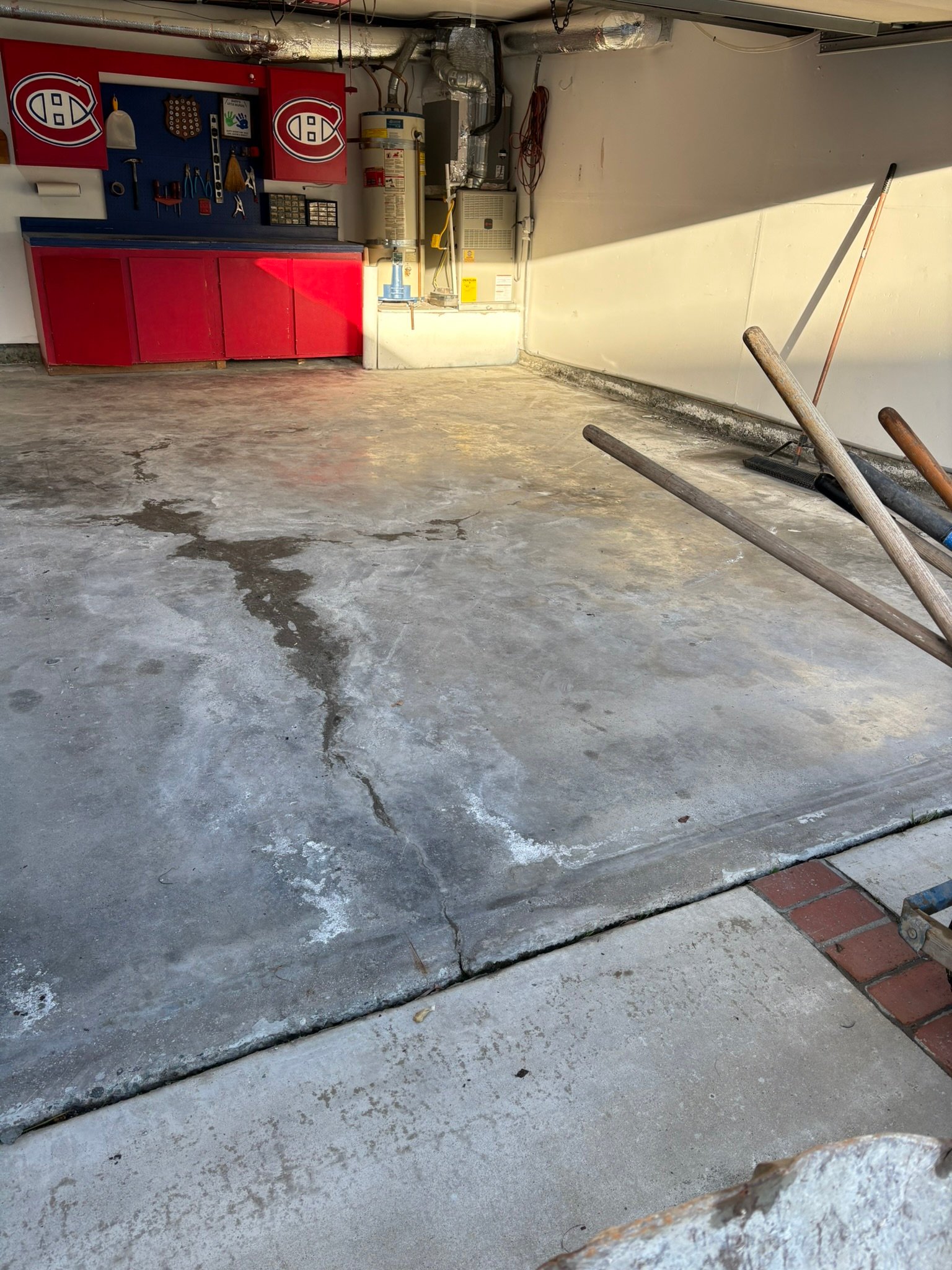
Walkways need safe, comfortable access.
Water pooling on a walkway may create slippery spots, trip hazards, staining, and drainage issues near doors, gates, or side yards.
Walkway water pooling may happen because of:
If the walkway connects to a driveway, patio, or entry, those surfaces should be reviewed together.
For walkway service details, visit our concrete walkway contractor page.
The right surface drainage correction options depend on the cause of the water problem.
Possible solutions may include:
Not every pooling problem needs the same fix.
A blocked flow path is different from a driveway that slopes toward the garage or a patio that has settled near the home.
For underground drainage service details, visit our underground drainage page.
Drainage systems may be needed when water has no safe or clear path away from the concrete.
A drainage system may be worth reviewing when:
Drainage should be planned before new concrete is poured when possible.
For drainage service details, visit our concrete drainage systems page.
Grading may be needed when the ground or surface does not move water in the right direction.
Grading can help shape the area before concrete work begins.
Grading may be reviewed when:
For grading service details, visit our grading page.
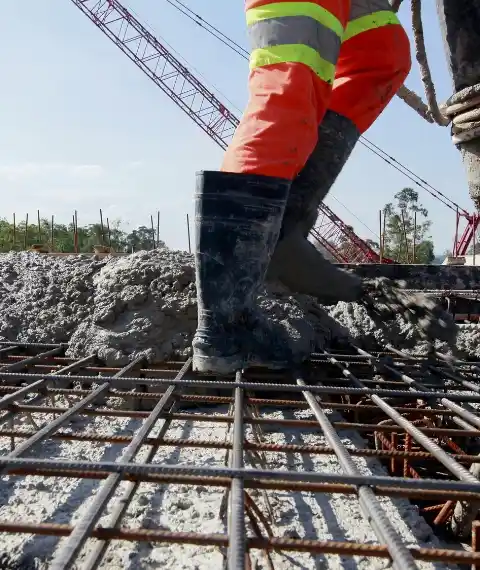
Concrete replacement may be needed when pooling water comes from slope problems, settlement, cracking, weak base support, or failed old concrete.
Replacement may be worth considering when:
Replacement gives the contractor a chance to review the base, grading, drainage, thickness, layout, and finish before installing new concrete.
Sometimes, yes.
If the issue is caused by a blocked flow path, downspout discharge, landscaping buildup, or a small drainage conflict, replacement may not be the first step.
But replacement may be needed when the concrete itself is the problem.
Water pooling may not be fixed with surface changes when:
The best solution depends on the cause.
If water pools now, it should be reviewed before new concrete is installed.
Pouring new concrete over the same drainage problem may repeat the issue.
Before new concrete, the project should review:
For a full installation overview, read our how concrete installation works guide.
Water pooling can get worse when the cause is ignored.
Common mistakes include:
A good concrete plan should account for where water goes.
Old concrete may need removal when the existing surface is too damaged, settled, or poorly sloped to correct from the top.
Old concrete removal may be needed when the surface has:
Removal can add demolition, hauling, disposal, base review, grading, and cleanup.
For demolition service details, visit our demolition page.
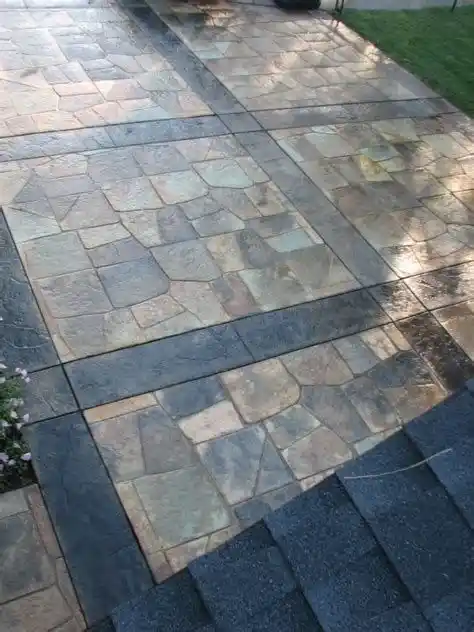
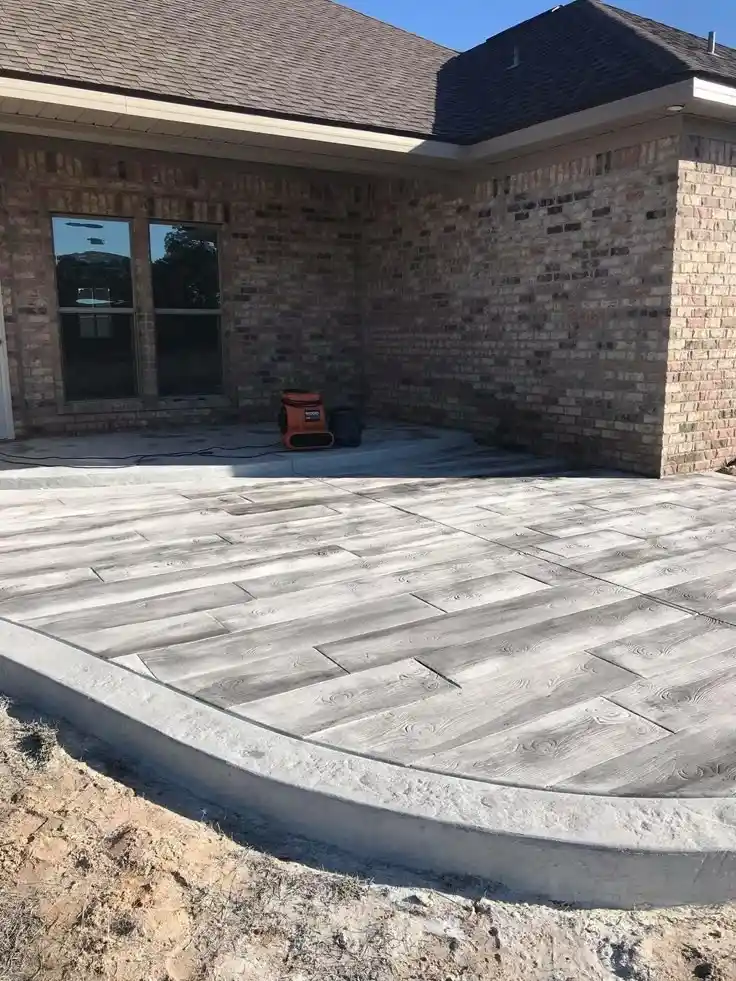
A finish can affect how a concrete surface feels, but it does not fix bad drainage by itself.
Common outdoor concrete finish options include:
A textured finish may help with surface grip, but the slab still needs the right slope and water flow.
To compare finish options, read:
For finish service details, visit our decorative concrete finishes page.
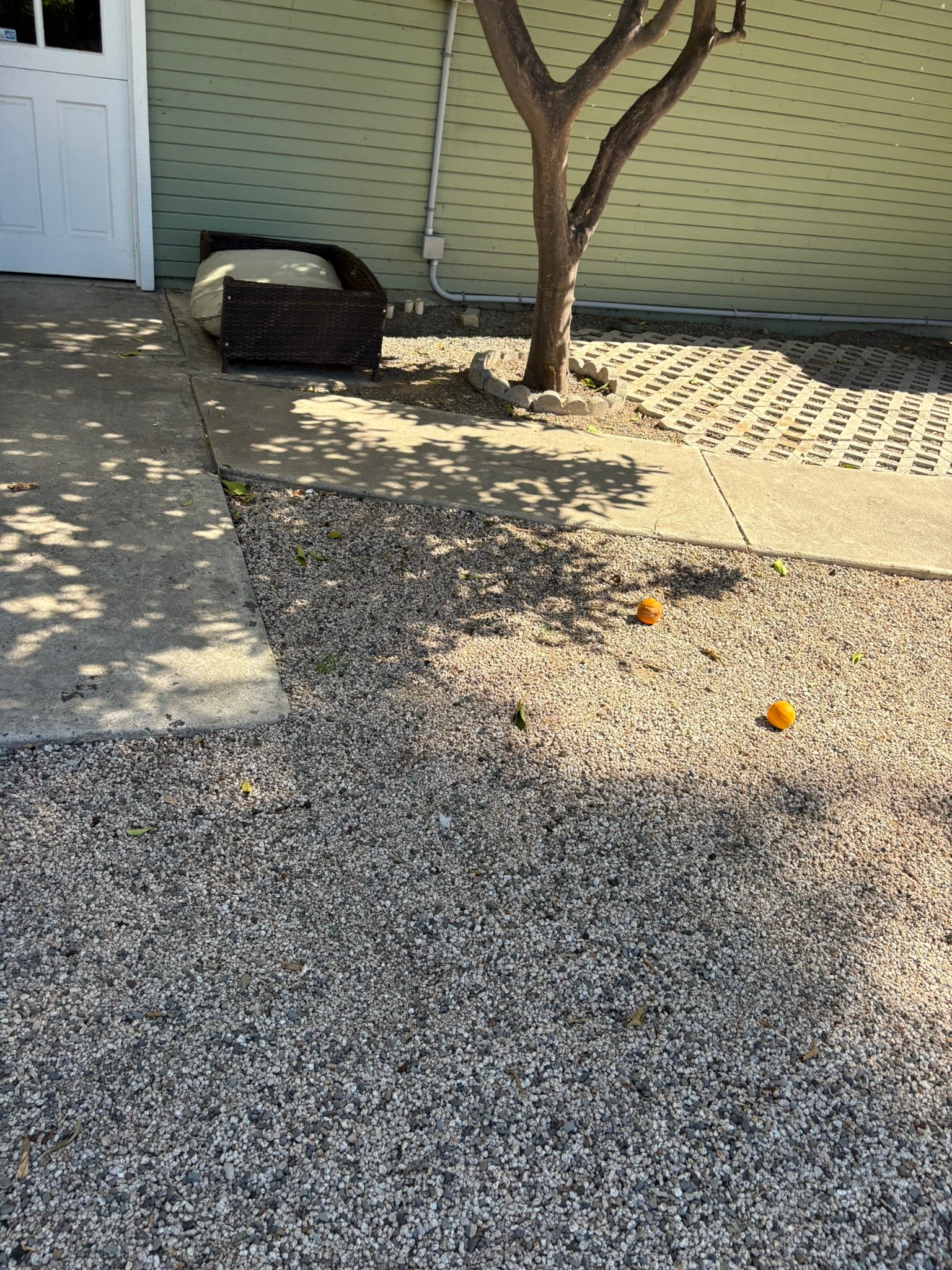
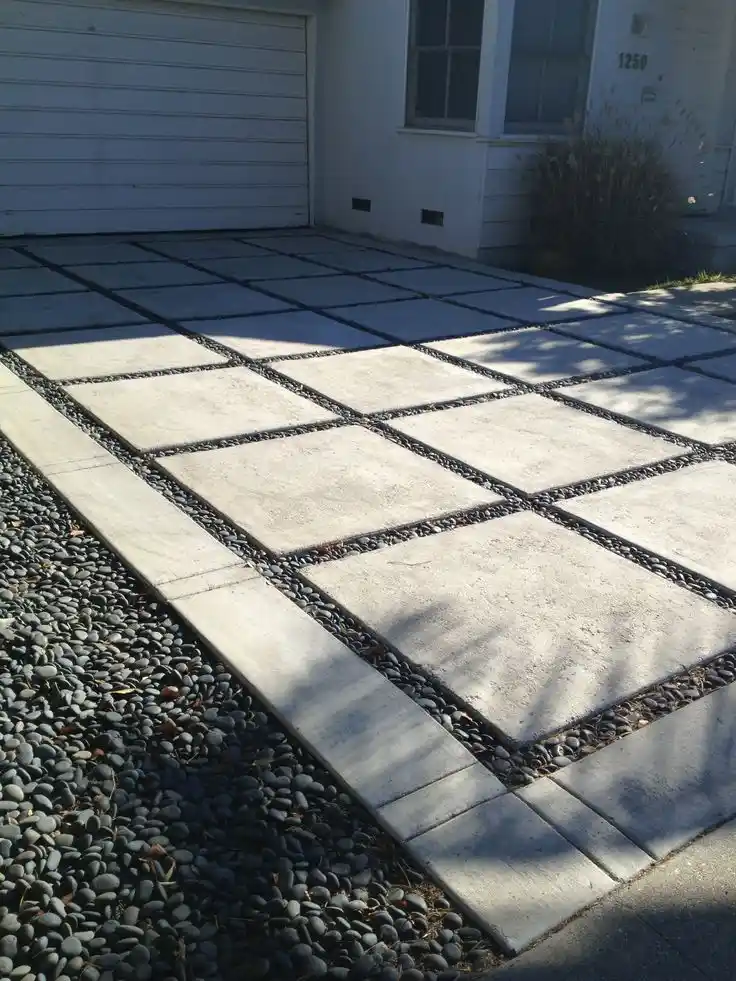
If standing water leads to concrete repair, replacement, grading, or drainage work, the estimate may depend on the full project scope.
Cost factors may include:
For driveway pricing, read our concrete driveway cost guide.
For patio pricing, read our concrete patio cost guide.
You do not need to diagnose the drainage problem yourself.
Still, these details can help:
Photos after rain or washing are especially helpful.
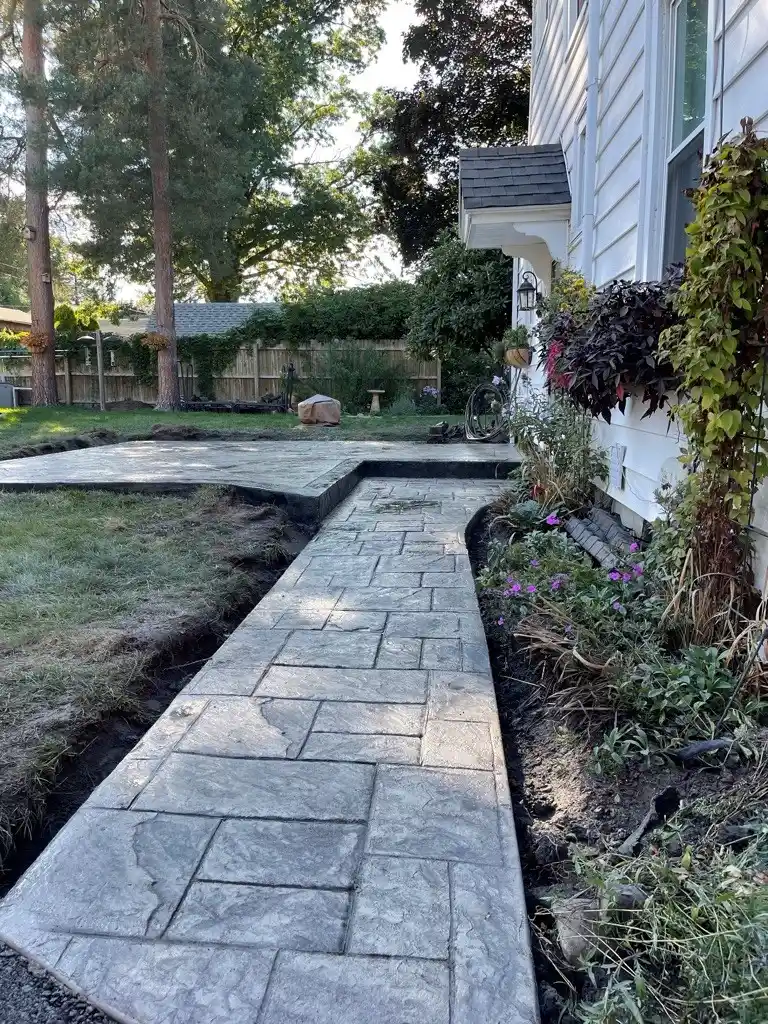
You may need an estimate if you notice:
Call Odell Concrete at (714) 717-1771 to request a free estimate.
Use these related guides if you are still comparing options:
For all guides, visit the Odell Concrete resource center.
Need help understanding why water pools on your concrete?
Call Odell Concrete at (714) 717-1771 to request a free estimate.
You can also visit the contact page and share your photos, affected area, water flow concerns, access details, and whether the surface is cracked, sunken, or uneven.
Water usually pools on concrete because the surface does not drain correctly. Common causes include poor slope, low spots, sunken concrete, blocked drainage paths, weak base support, settlement, or water moving toward the wrong area.
Standing water can become a problem if it stays in the same place often. It may lead to staining, slippery areas, surface wear, cracking, settlement, base movement, or water near the home.
Yes. If the concrete is too flat or slopes in the wrong direction, water may collect instead of draining away from the surface.
Yes. A sunken concrete section can create a low spot where water collects. The cause may be weak base support, soil movement, erosion, or water under the slab.
The fix depends on the cause. A patio may need drainage correction, grading, surface slope correction, old concrete removal, or replacement if the slab has settled or slopes the wrong way.
Driveway water pooling may require slope review, drainage correction, grading, base repair, or driveway replacement if the concrete has sunk, cracked, or sends water toward the garage or home.
Walkway water pooling may require slope correction, drainage review, grading, removal of settled concrete, or walkway replacement if the surface has low spots, trip hazards, or poor transitions.
In some cases, drainage can be added or improved. The right option depends on the surface, slope, access, water source, and where the water can safely drain.
Not always. Some pooling problems come from blocked water flow, landscaping, downspouts, or drainage paths. Replacement may be needed when the concrete is sunken, cracked, poorly sloped, or built with a low spot.
No. A textured finish may improve surface grip, but it does not fix poor slope, low spots, drainage problems, or water moving toward the home.
Send photos of the concrete when dry and when water is pooling. Include the affected area, how long the water stays, where the water comes from, nearby drains, downspouts, sprinklers, cracks, sunken areas, and access notes.
Call Odell Concrete at (714) 717-1771 or visit the contact page to request a free estimate.
The right solution depends on the cause of the water problem, not just the puddle you see on the surface.
If you want to understand why water pools on concrete or need help with patio, driveway, walkway, grading, or drainage planning, call Odell Concrete at (714) 717-1771 to request a free estimate.
Odell Concrete Construction, serving Southern California since 1976 with trusted, durable, and professional concrete solutions.
Copyright © 2026 Darren B Odell. All rights reserved