
Concrete Foundation Cost in Orange County
Wondering what concrete foundation cost in Orange County depends on?
The answer depends on the foundation size, slab type, footing needs, reinforcement, site access, grading, drainage, approved plans, inspections, and how the structure will be used.
This guide explains the main foundation concrete pricing factors OC property owners should understand before requesting an estimate.
Odell Concrete has served Orange County since 1976. We help homeowners, property managers, HOAs, builders, and business owners plan concrete slabs, footings, ADU foundations, structural concrete, grading, drainage, and site preparation.
Established in 1976
Licensed & Insured
California Contractor License #1065525
Serving Orange County and nearby Southern California communities
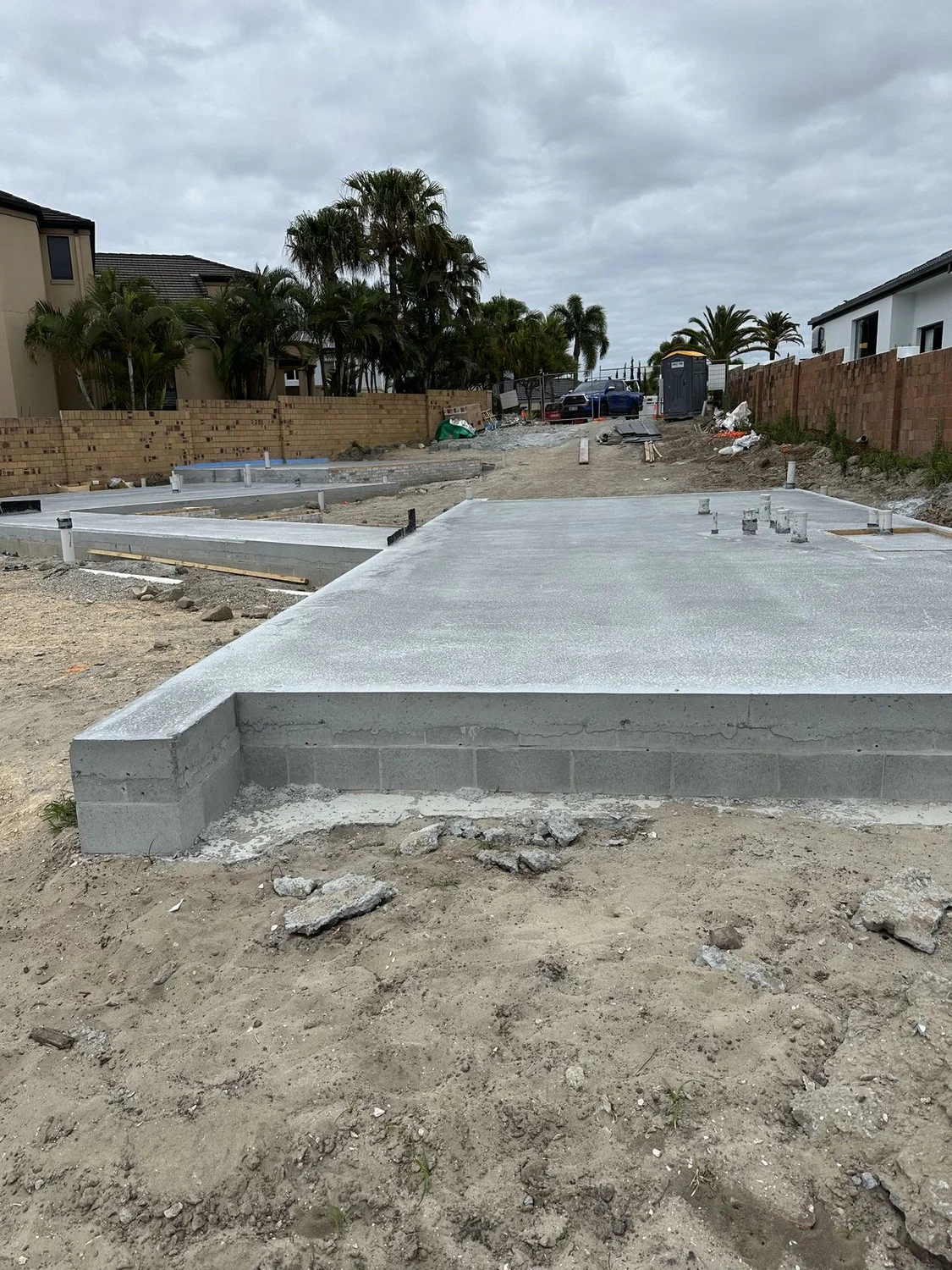
What This Concrete Foundation Cost Guide Covers
This guide helps you understand the cost of slab foundation in Orange County before calling a contractor.
It covers:
- Why concrete foundation costs vary
- How slab size and thickness affect pricing
- Why footings can change the scope
- How reinforcement affects the estimate
- When grading and drainage matter
- Why plans and inspections may be needed
- How ADU foundations can affect cost
- What can make a foundation project simple or complex
- What to send before requesting an estimate
For installation details, visit our concrete foundation page.
For more planning help, visit the Odell Concrete resource center.
Why Concrete Foundation Costs Vary
No two foundation projects are exactly the same.
A small slab for a shed is very different from a foundation for an ADU, garage, home addition, commercial improvement, or structural wall.
Common concrete foundation cost factors include:
- Foundation size
- Slab thickness
- Footing depth and width
- Reinforcement
- Forms
- Excavation
- Grading
- Drainage
- Site access
- Soil and base conditions
- Approved plans
- Inspection needs
- Utility coordination
- Old concrete removal
- Cleanup and hauling
- HOA, city, or property requirements
A useful estimate should reflect the real site and the full project scope, not only a basic square-foot number.
Main Concrete Foundation Cost Factors
Concrete foundation pricing usually starts with size, but the final estimate depends on the structure, site, and preparation work.
Foundation Size
Foundation size is one of the biggest cost factors.
A larger foundation usually needs more concrete, more forms, more labor, more base preparation, and more cleanup.
Foundation size can affect:
- Concrete quantity
- Labor time
- Layout work
- Excavation
- Form setup
- Reinforcement
- Footing length
- Inspection planning
- Cleanup
A small slab is usually easier to plan than a larger foundation for an ADU, garage, addition, workshop, or structural concrete project.
Slab Thickness
Slab thickness affects both cost and performance.
A simple slab may not need the same thickness as a foundation that supports walls, posts, vehicles, heavy equipment, or living space.
Slab thickness can affect:
- Concrete volume
- Base preparation
- Load support
- Reinforcement
- Edge strength
- Curing time
- Long-term durability
Odell Concrete reviews how the slab will be used before recommending the right plan.
Footings
Footings can change the cost of a foundation project.
A slab creates a flat concrete base. Footings help support structural loads and transfer weight into the ground.
Footing cost may depend on:
- Footing depth
- Footing width
- Linear footage
- Soil conditions
- Load requirements
- Rebar
- Forms
- Excavation
- Inspection needs
- Connection to walls, posts, or slab edges
If your project involves an ADU, addition, garage, structural wall, or load-bearing feature, footings may be part of the scope.
Reinforcement
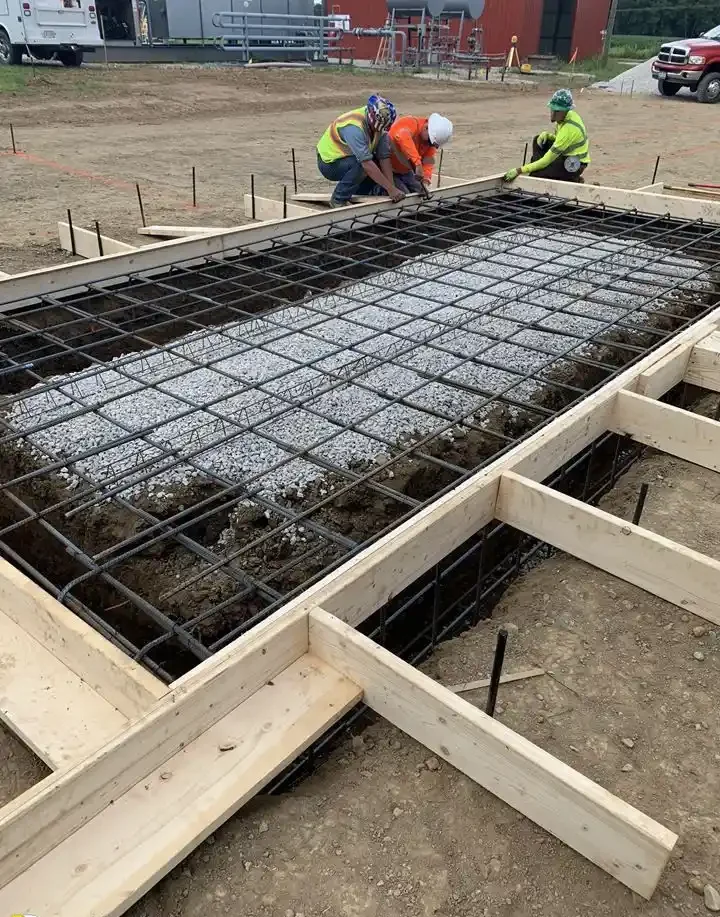
Reinforcement can affect the estimate because it adds material, layout, and labor.
A concrete foundation may need reinforcement to support weight, reduce movement risk, or meet plan requirements.
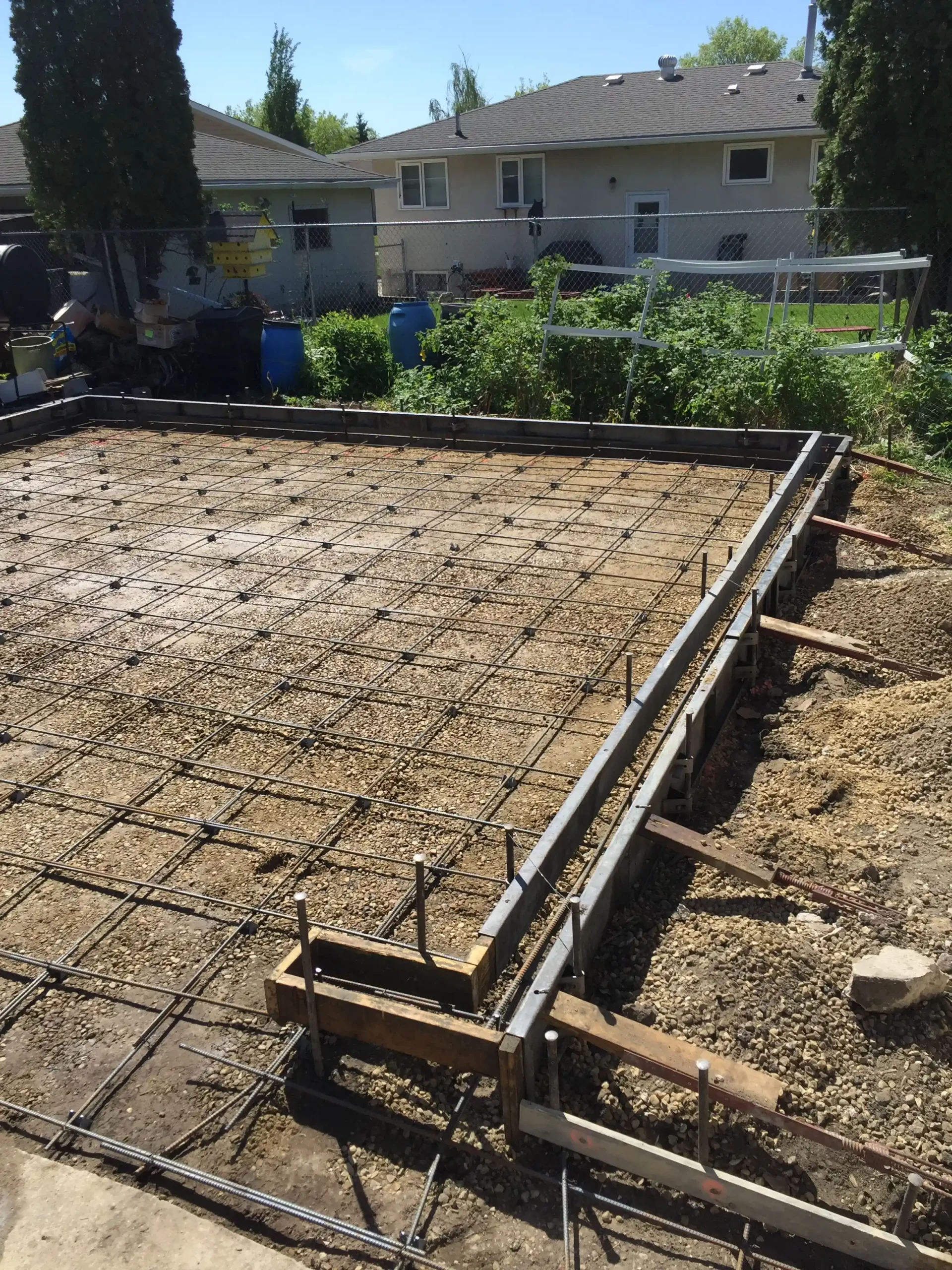
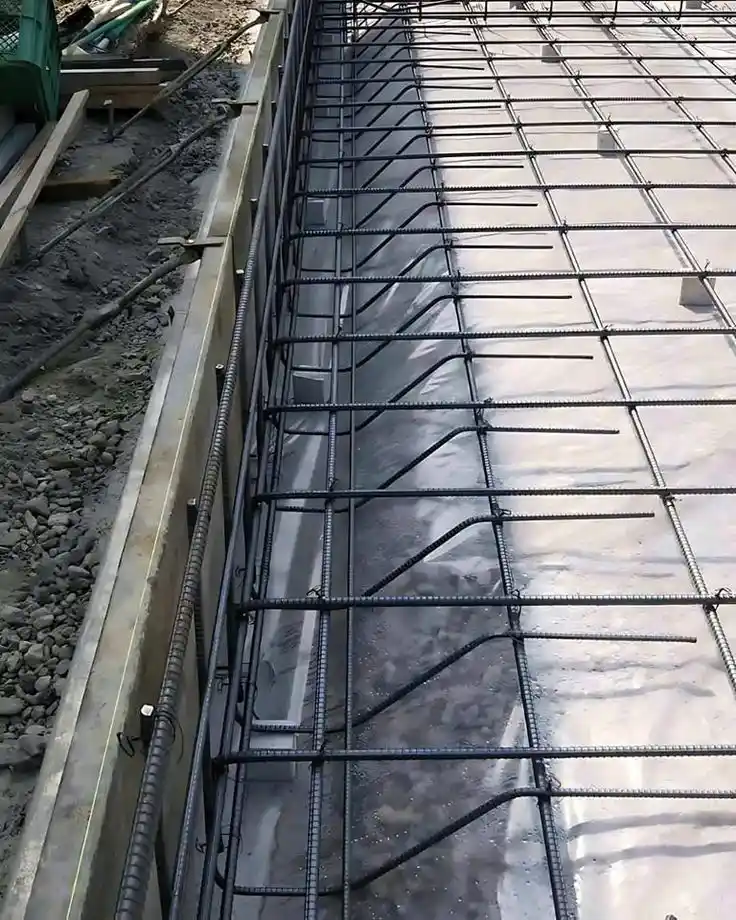
Reinforcement may include:
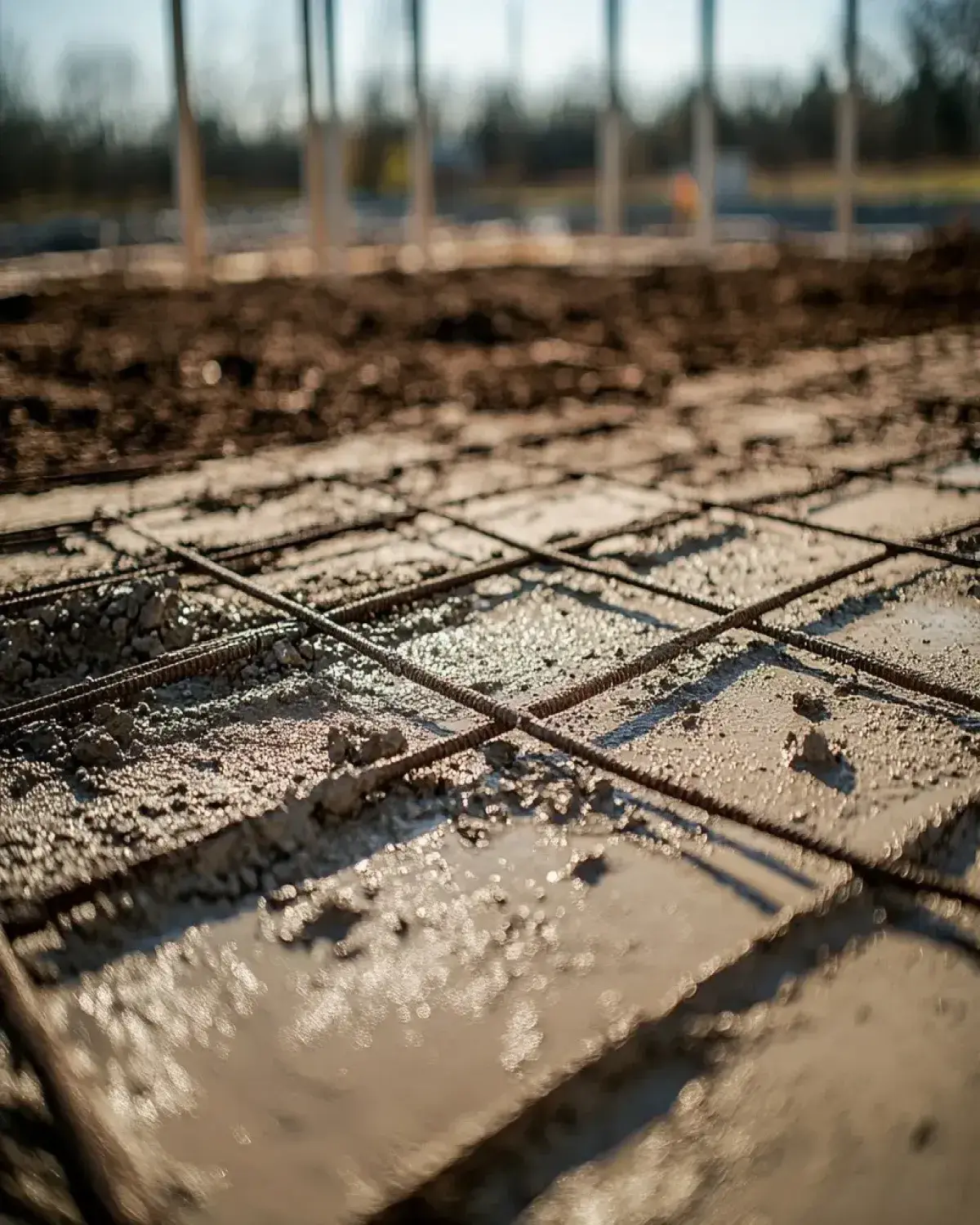
- Rebar
- Wire mesh
- Dowels
- Anchor bolts
- Hold-downs
- Thickened edges
- Structural connections
Not every slab needs the same reinforcement. The right approach depends on the project use, plans, site conditions, and structural needs.
Forms and Layout
Forms shape the concrete before it is poured.
A simple square or rectangular slab is usually easier to form than a custom layout with corners, steps, thickened edges, utility openings, or structural details.
Forms and layout can affect:
- Labor time
- Material use
- Foundation shape
- Edge detail
- Footing locations
- Step-downs
- Openings
- Finish quality
A clear layout helps the foundation match the project plan and connect correctly to the next phase of work.
Grading and Base Preparation
Concrete needs a stable base.
If the site is uneven, soft, poorly compacted, sloped, or damaged after demolition, the project may need grading or base preparation before concrete is poured.
Grading and base preparation can affect:
- Surface stability
- Drainage direction
- Foundation elevation
- Slab thickness
- Footing depth
- Long-term cracking risk
- Connection to nearby surfaces
For service details, visit our grading page.
Drainage
Drainage can change the scope of a foundation project.
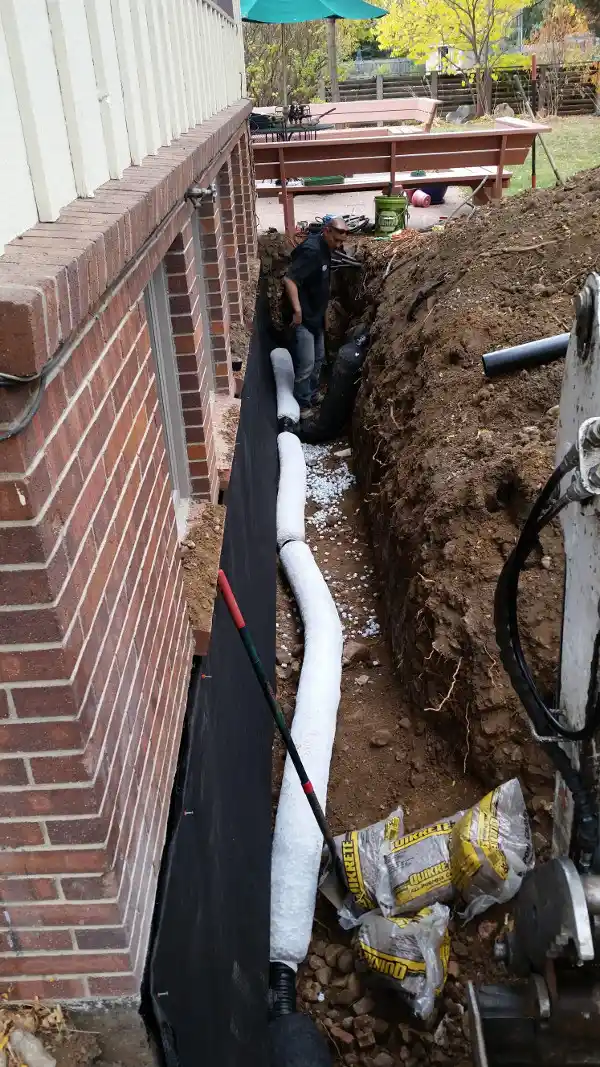
If water moves toward the structure, collects near the slab, or sits around the foundation area, drainage should be reviewed before the foundation is poured.
Drainage concerns may include:
- Surface slope
- Water flow direction
- Low spots
- Foundation-adjacent water
- Side-yard drainage
- Downspout discharge
- Underground drainage
- Soil moisture
- Hardscape drainage routes
To understand water problems better, read our guide on why water pools on concrete.
For service details, visit our concrete drainage systems page.
Site Access
Site access can make a foundation project easier or more complex.
Some foundation areas are open and easy to reach. Others are behind gates, walls, fences, landscaping, slopes, pools, or existing structures.
Access can affect:
- Equipment movement
- Concrete delivery
- Hand labor
- Hauling distance
- Excavation
- Form setup
- Cleanup time
- Protection of nearby surfaces
A backyard ADU foundation or tight side-yard slab may need more planning than an open front-yard project.
Plans and Inspections
Some foundation projects may involve plans, city review, or inspections.
This often matters when the foundation supports a building, ADU, addition, garage, retaining structure, commercial improvement, or load-bearing feature.
Plans and inspections can affect:
- Layout
- Footing size
- Reinforcement
- Concrete thickness
- Anchor placement
- Utility coordination
- Inspection timing
- Scheduling
- Permit requirements
If you have drawings, plans, or engineering notes, send them before requesting an estimate.
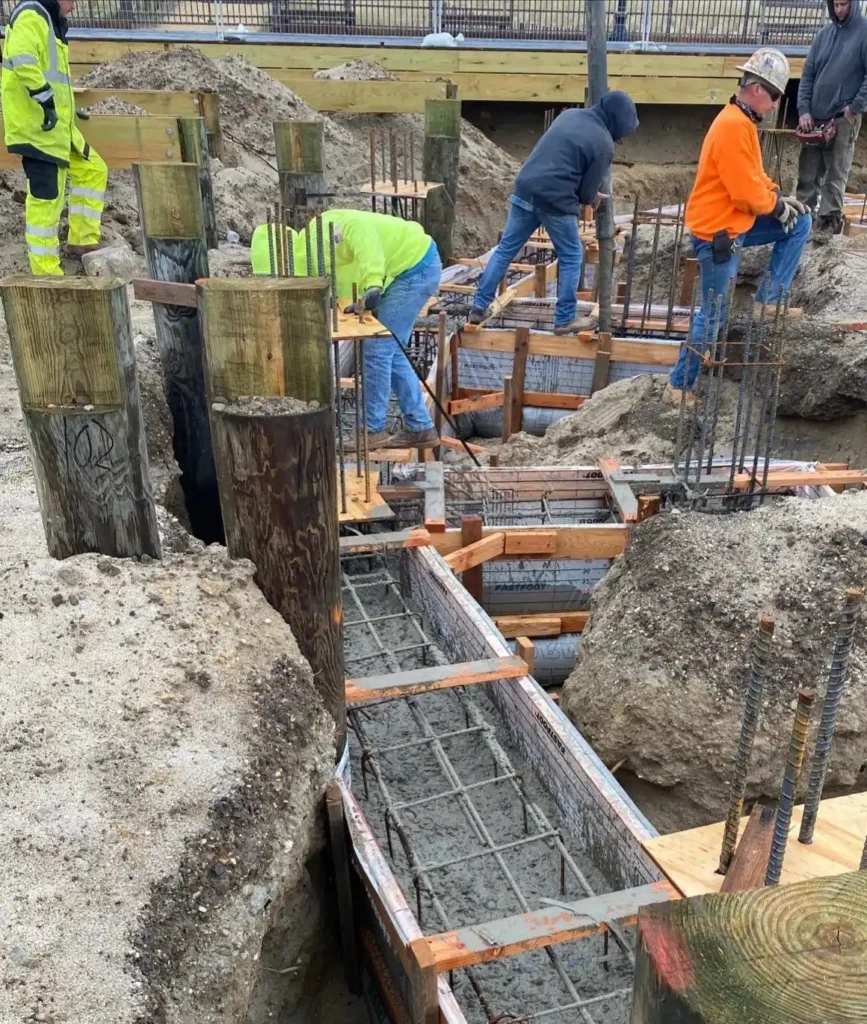
Cost of Slab Foundation in Orange County
The cost of slab foundation in Orange County depends on more than the concrete surface.
A slab foundation may include:
- Site review
- Plan review
- Layout
- Excavation
- Grading
- Base preparation
- Drainage review
- Forms
- Footings, if required
- Reinforcement
- Concrete placement
- Finish work
- Inspection coordination
- Curing guidance
- Cleanup
A simple slab may be easier to price. A structural slab with footings, reinforcement, plans, inspections, and access limits needs more detail.
If the slab supports an ADU, garage, addition, shed, commercial feature, or structural wall, the estimate should reflect that use.
Concrete Foundation Cost by Project Type
Different foundation projects have different planning needs.
Basic Concrete Slab
A basic concrete slab may be used for a shed, utility area, small structure, or simple surface.
Cost factors may include:
- Slab size
- Thickness
- Site access
- Base preparation
- Forms
- Concrete volume
- Finish
- Cleanup
This type of project is usually more straightforward when the area is flat, open, and ready for work.
Slab With Footings
A slab with footings is more involved than a basic slab.
Cost factors may include:
- Footing depth
- Footing width
- Rebar
- Forms
- Excavation
- Structural layout
- Plan requirements
- Inspections
- Concrete volume
Footings may be needed when the foundation supports walls, posts, structural loads, or an approved building plan.
ADU Foundation
An ADU foundation often needs more planning than a simple slab.
Cost factors may include:
- Approved plans
- Backyard access
- Utility coordination
- Footings
- Reinforcement
- Drainage
- Grading
- Inspection timing
- Concrete delivery planning
- Cleanup and hauling
For service details, visit our ADU foundations page.
Addition Foundation
A foundation for a home addition needs careful planning because it connects to an existing structure.
Cost factors may include:
- Existing foundation conditions
- Elevation matching
- Footings
- Reinforcement
- Drainage
- Site access
- Approved plans
- Inspection timing
- Utility locations
- Demolition or site prep
The connection between old and new work can affect the scope.
Garage or Workshop Foundation
A garage, workshop, or utility building foundation may need extra planning for loads, doors, slopes, and access.
Cost factors may include:
- Slab thickness
- Vehicle or equipment use
- Footings
- Driveway connection
- Drainage
- Reinforcement
- Door transitions
- Site access
- Plan requirements
The way the surface will be used should be clear before the foundation plan is finalized.
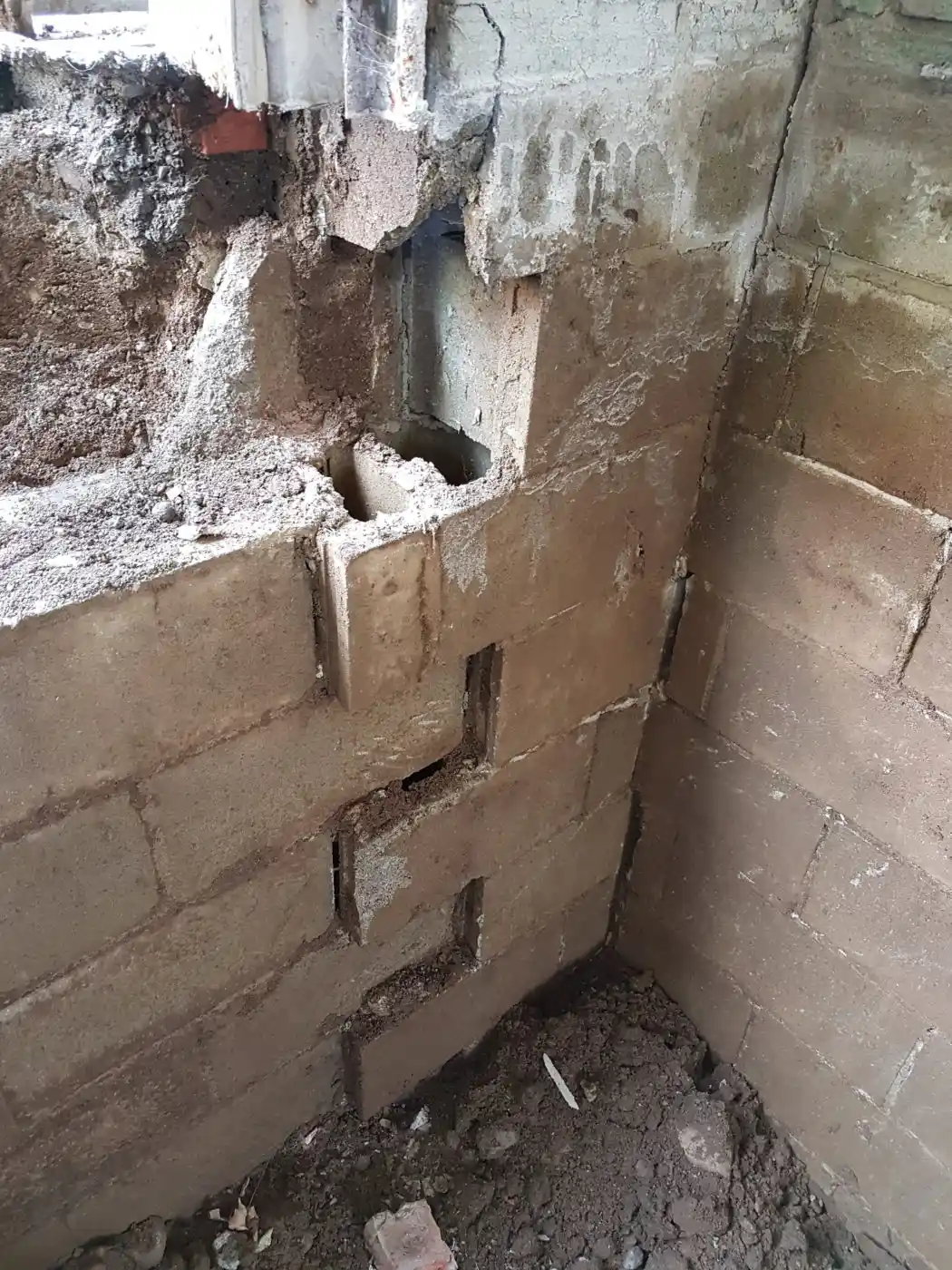
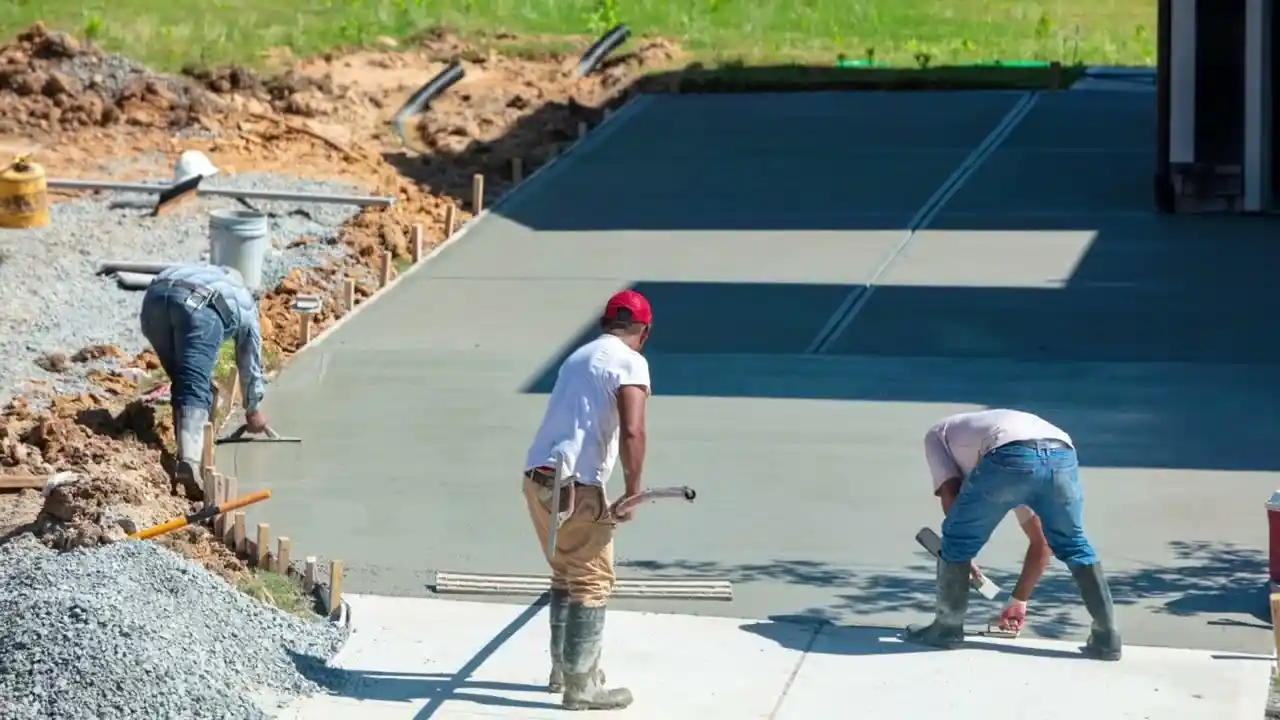
New Foundation vs. Foundation Replacement
A new foundation and a replacement foundation can have different cost factors.
New Concrete Foundation
A new concrete foundation may need:
- Layout planning
- Excavation
- Grading
- Base preparation
- Drainage planning
- Forms
- Footings
- Reinforcement
- Concrete placement
- Inspection coordination
- Cleanup
A new foundation may be more straightforward when the site is open and already prepared.
Foundation Replacement or Rework
A replacement or rework project may need everything above, plus:
- Old concrete removal
- Demolition
- Hauling
- Base correction
- Slope correction
- Drainage correction
- Existing structure review
- Utility review
- Access planning
- Additional cleanup
Replacement costs can rise when hidden problems appear after old concrete is removed.
For old concrete removal service details, visit our demolition page.
Why Cheap Foundation Estimates Can Become Expensive
The lowest foundation estimate is not always the best value.
A low estimate may leave out important work, such as:
- Grading
- Drainage review
- Base preparation
- Footings
- Reinforcement
- Forms
- Plan review
- Inspection coordination
- Proper slab thickness
- Access planning
- Demolition
- Hauling
- Cleanup
- Permit or property requirements
A foundation supports the structure above it. If the base, drainage, thickness, footings, or reinforcement are wrong, problems can become expensive later.
Foundation work should be planned carefully before concrete is poured.
What Can Increase a Concrete Foundation Estimate?
A foundation estimate may increase when the project needs extra work beyond a simple slab.
Common scope factors include:
- Larger slab size
- Greater slab thickness
- Footings
- Reinforcement
- Approved plans
- Inspections
- Difficult access
- Tight backyard work
- Grading
- Drainage correction
- Old concrete removal
- Excavation
- Utility coordination
- Structural connections
- More complex forms
- Extra cleanup
- ADU or addition requirements
This is why Odell Concrete reviews the project conditions before giving a recommendation.
What Can Make a Foundation Project More Straightforward?
Some foundation projects are simpler.
A project may be more straightforward when:
- The area is easy to access
- The site is already clear
- The ground is stable
- Drainage is already working
- The layout is simple
- Old concrete does not need removal
- The slab does not need complex footings
- Plans are complete
- Inspection needs are clear
- There are no major slope issues
- There are no property approval concerns
Even then, the site should still be reviewed before work begins.
Permits, Plans, HOA Rules, and Property Requirements
Some concrete foundation projects may involve city rules, HOA requirements, property management approval, plan review, or inspections.
This may matter when the project affects:
- ADUs
- Room additions
- Garages
- Commercial spaces
- Structural loads
- Footings
- Drainage direction
- Setbacks
- Shared property areas
- Multi-family properties
- Accessible routes
- Public access areas
- Utility locations
Read our concrete permits in Orange County guide for more planning details.
If the foundation connects to an accessible route, visit our ADA concrete ramp requirements guide and ADA concrete work page.
Foundation Drainage and Grading
Foundation work should not ignore water movement.
Poor drainage can lead to water collecting near the slab, moving toward the structure, or creating soft areas around the foundation.
Drainage and grading may affect:
- Foundation elevation
- Surface slope
- Water flow direction
- Soil stability
- Base preparation
- Footing conditions
- Connection to patios, driveways, or walkways
- Long-term performance
If water already collects in the project area, drainage should be reviewed before the foundation is poured.
For service details, visit our drainage systems page and grading page.
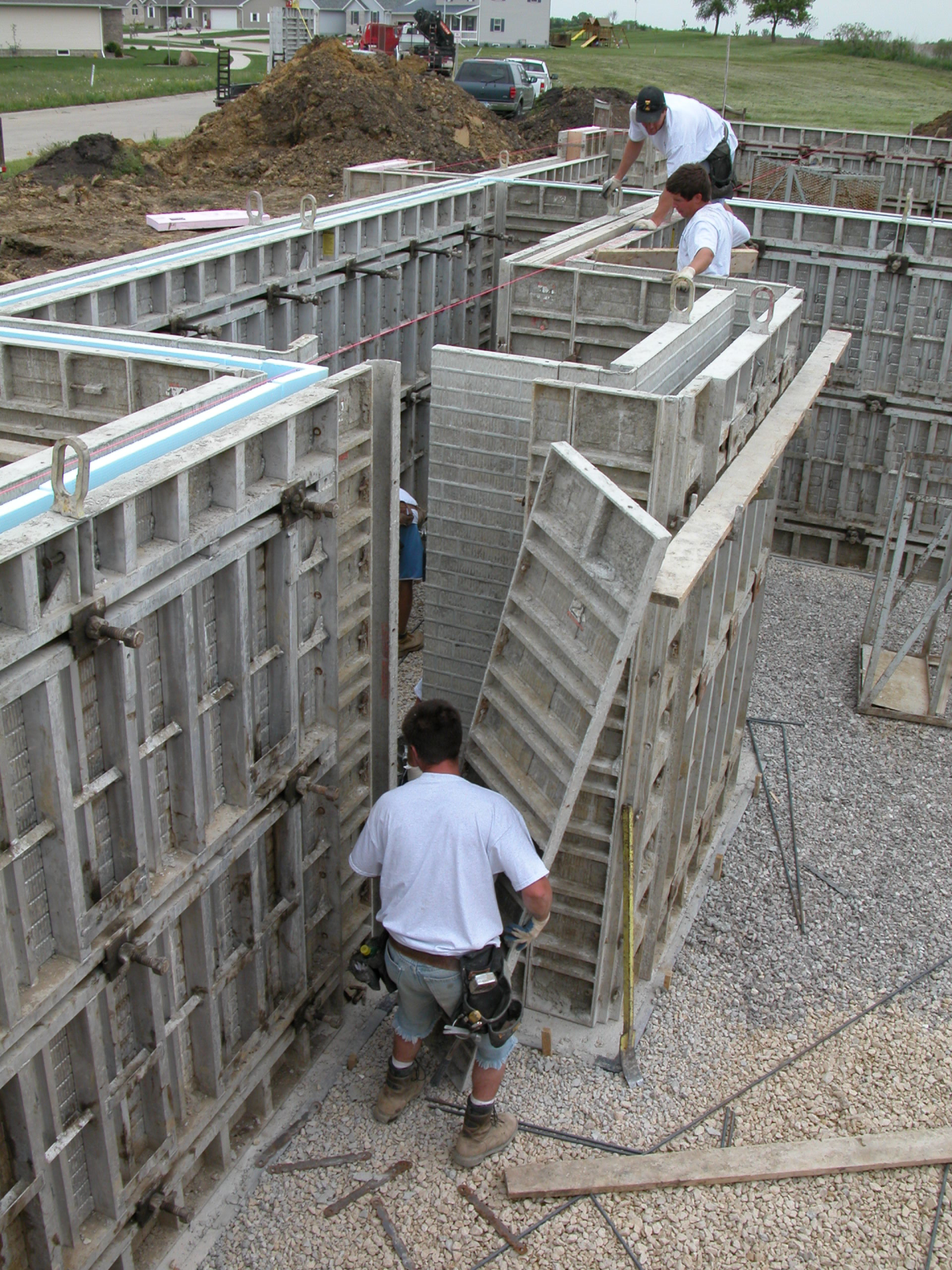
How Concrete Foundation Installation Works
A foundation project usually follows a clear process.
Common steps may include:
- Site review
- Scope discussion
- Plan review, if available
- Layout
- Demolition, if needed
- Excavation
- Grading
- Drainage review
- Base preparation
- Form setup
- Reinforcement placement
- Footing preparation
- Inspection coordination, if required
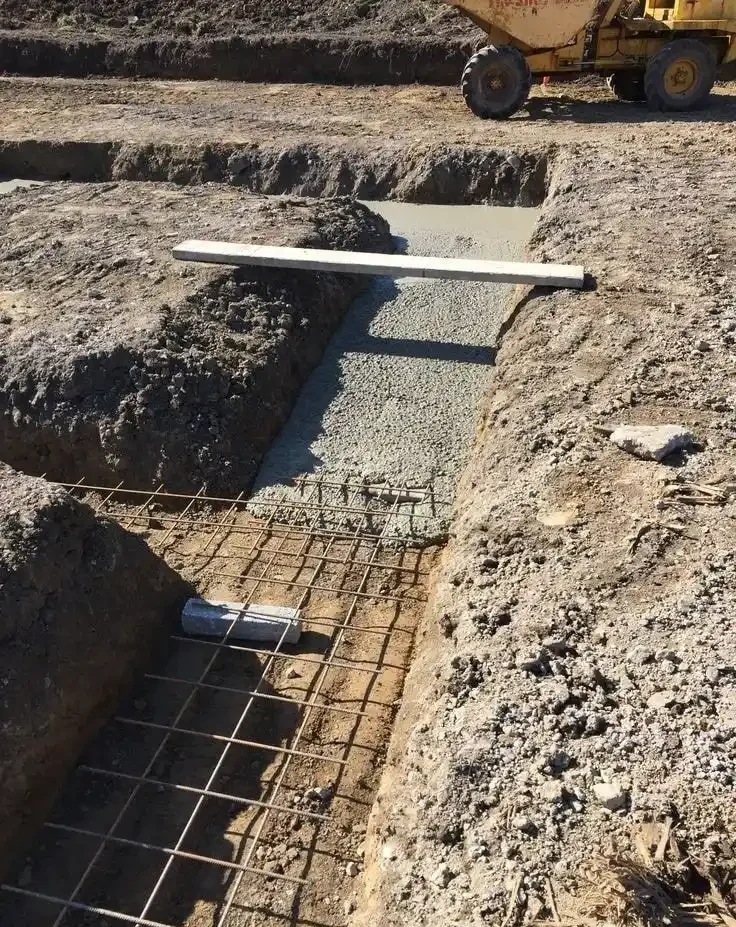
- Concrete placement
- Finish work
- Curing guidance
- Cleanup
For a full overview, read our how concrete installation works guide.
For general service routing, visit our concrete work page.
What to Share Before Requesting a Foundation Estimate
You do not need to know everything before calling.
Still, these details can help:
- Property address or nearest cross streets
- Photos of the project area
- Approximate foundation size
- Project type
- Whether the foundation supports an ADU, addition, garage, or structure
- Any drawings or plans
- Current site condition
- Whether old concrete needs removal
- Access notes
- Drainage concerns
- Slope or grading concerns
- Utility locations, if known
- HOA or property management requirements
- Any permit or city concerns
- Timeline goals
Clear photos and plans are especially helpful for foundation pricing.
When to Request a Concrete Foundation Estimate
You may need a foundation estimate if you are planning:
- A new concrete slab
- A slab foundation
- An ADU foundation
- A garage foundation
- A room addition
- A backyard structure
- A workshop slab
- A structural concrete base
- Footings
- Foundation replacement
- Old concrete removal before a new foundation
- Grading before a foundation
- Drainage correction near a foundation
Call Odell Concrete at (714) 717-1771 to request a free estimate.
Related Concrete Foundation Resources
Use these related guides if you are still comparing options:
- Concrete permits in Orange County
- How concrete installation works
- What to ask a concrete contractor
- Why water pools on concrete
- Drainage before concrete patio
- Concrete driveway cost guide
- Concrete patio cost guide
- ADA concrete ramp requirements
For all guides, visit the Odell Concrete resource center.
Request a Concrete Foundation Estimate in Orange County
Need help with a slab foundation, footing, ADU foundation, addition foundation, old concrete removal, grading, drainage, or site preparation?
Call Odell Concrete at (714) 717-1771 to request a free estimate.
You can also visit the contact page and share your photos, approximate size, current site condition, drainage concerns, access notes, plans, and project type.
FAQs About Concrete Foundation Cost in Orange County
Concrete foundation cost in Orange County depends on foundation size, slab thickness, footings, reinforcement, forms, grading, drainage, site access, approved plans, inspections, cleanup, and project complexity.
A concrete foundation estimate may include site review, layout, excavation, grading, base preparation, forms, reinforcement, footings, concrete placement, finish work, inspection coordination, curing guidance, and cleanup.
Footings can add excavation, forms, reinforcement, concrete volume, layout work, and inspection needs. They may be required when the foundation supports walls, posts, ADUs, additions, garages, or structural loads.
Yes. Reinforcement can increase cost because it adds material and labor. It may include rebar, wire mesh, anchor bolts, dowels, or other structural details shown in the plans.
Yes. If the site is uneven, sloped, soft, or poorly prepared, grading may be needed before the foundation is poured. Grading can affect drainage, base stability, slab thickness, and long-term performance.
Yes. If water moves toward the foundation area or collects near the slab, the project may need drainage review or slope correction before concrete is poured.
Often, yes. An ADU foundation may involve approved plans, footings, reinforcement, utility coordination, inspections, grading, drainage, backyard access, and tighter site conditions.
Some foundation projects may involve permits, city review, HOA approval, property management approval, or inspections, especially when the work supports an ADU, addition, garage, structure, commercial space, or accessible route.
Send photos, approximate size, project type, plans if available, current site condition, drainage concerns, access notes, whether old concrete needs removal, and any HOA, property management, or permit concerns.
Call Odell Concrete at (714) 717-1771 or visit the contact page to request a free concrete foundation estimate.
Call Odell Concrete at (714) 717-1771 or visit the contact page to request a free stamped concrete estimate.
Start Planning Your Concrete Foundation
A foundation estimate should reflect the real site, not just a basic square-foot number.
If you need a concrete slab, footing, ADU foundation, addition foundation, old concrete removal, grading, drainage review, or site preparation, call Odell Concrete at (714) 717-1771 to request a free estimate.