
Paver Contractor in Garden Grove, CA
Want a patio, walkway, driveway border, entry path, or outdoor surface with a more detailed hardscape look? Odell Concrete is a paver contractor in Garden Grove, CA, serving homeowners, landlords, HOAs, property managers, builders, and local businesses across nearby Orange County communities.
We provide paver installation in Garden Grove for patios, walkways, side yards, garden paths, entry areas, driveway borders, hardscape surfaces, and outdoor living spaces. Pavers can be a good choice when you want individual units, pattern flexibility, repair access, and a finished surface that connects well with concrete, stone, masonry, and drainage planning.
Call Odell Concrete at (714) 717-1771 to request a free paver installation estimate.
Established in 1976
Licensed & Insured
California Contractor License #1065525
Serving Garden Grove and Orange County
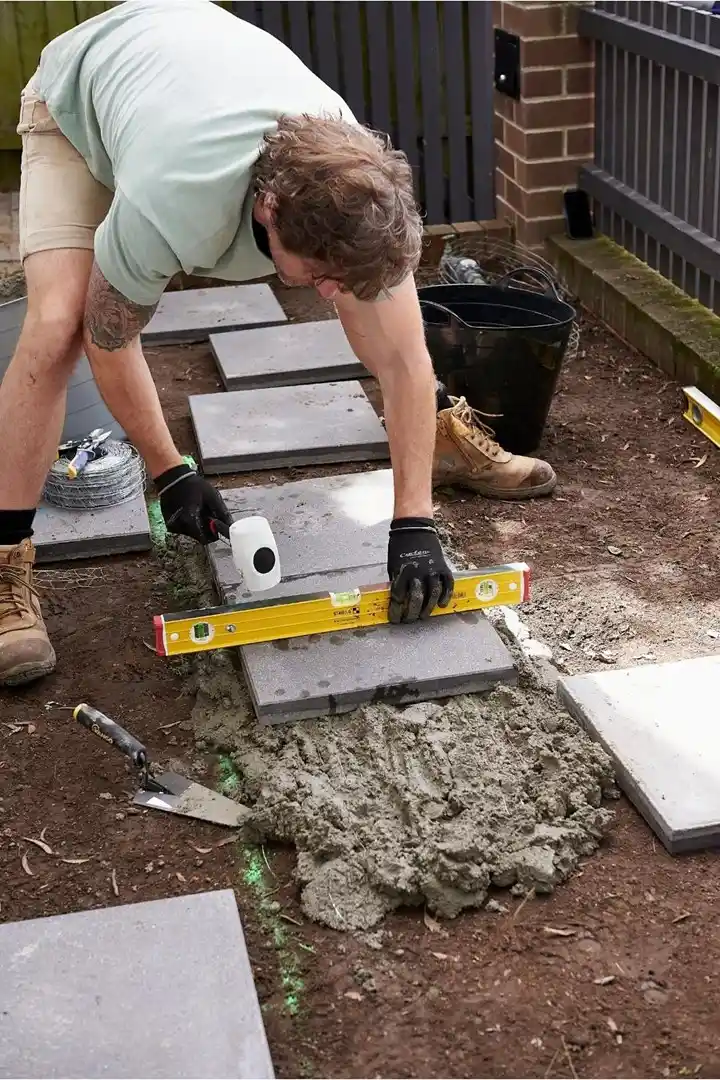
Paver Installation That Fits the Space, Base, and Drainage
Pavers are not just decorative pieces placed on the ground.
A good paver surface needs a planned layout, prepared base, edge support, joint material, drainage review, and clean transitions to nearby concrete, stone, soil, walls, or landscaping. If the base is weak or the drainage is poor, pavers can shift, settle, hold water, or become uneven.
Odell Concrete reviews the area before work begins. We look at how the surface will be used, where water moves, how people walk through the space, how vehicles may use the area, and how the pavers connect to nearby patios, walkways, driveways, entries, or hardscape features.
That helps create a paver surface that looks clean and works better for daily use.
Paver Installation Services for Garden Grove Properties
Odell Concrete provides paver installation for residential, light commercial, HOA, landlord, builder, and managed-property projects.
We help with:
- Paver contractor Garden Grove CA
- Paver installation Garden Grove
- Patio pavers Orange County
- Paver patios
- Paver walkways
- Paver paths
- Paver entries
- Side-yard pavers
- Garden path pavers
- Paver driveway borders
- Interlocking paver surfaces
- Hardscape paver areas
- Paver replacement planning
- Paver surfaces connected to concrete
- Paver surfaces connected to stone work
- Drainage review before paver installation
- Base preparation before pavers
If your project includes broader masonry or hardscape work, visit our masonry and stone work page. If you are comparing pavers with poured concrete, visit our concrete patio construction page, concrete driveway installation page, or concrete walkways page.
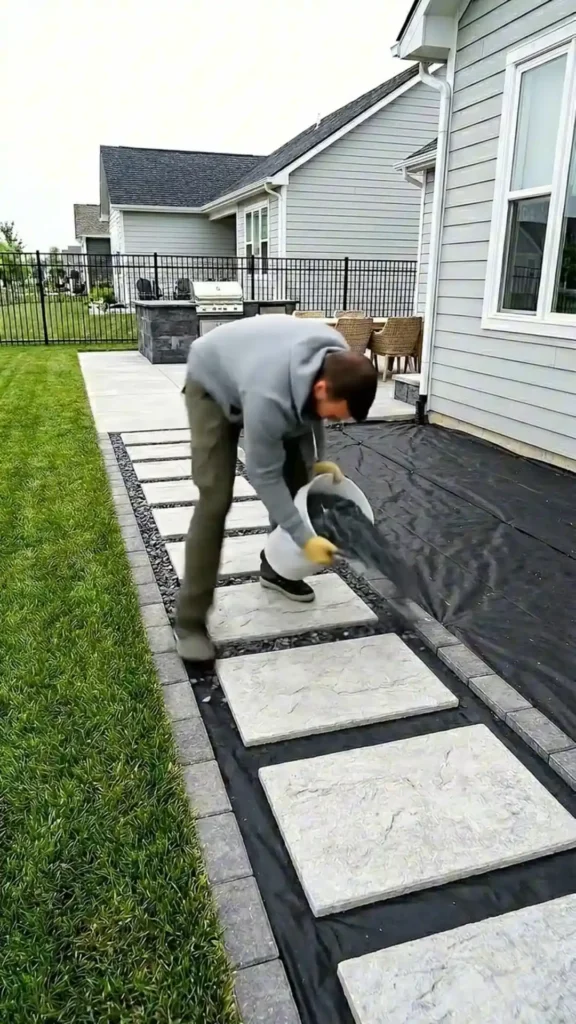
Our Paver Services
Every paver project has a different purpose. Some pavers create a patio. Some create a walkway or entry path. Others improve a side yard, border a driveway, or connect outdoor spaces.
Paver Patios
Patio pavers in Orange County can create a finished outdoor area for seating, dining, grilling, relaxing, or connecting indoor and outdoor living spaces.
A paver patio should be planned around layout, base preparation, drainage, joint material, edge support, furniture placement, and transitions to nearby concrete, doors, walkways, or landscaping.
Paver Walkways and Paths
Paver walkways can create cleaner movement through a yard, side yard, garden area, entry path, or outdoor space.
We review the route, width, slope, drainage, foot traffic, edges, and connection points before installation begins.
Paver Entries
An entry area should feel clean, stable, and easy to use.
Pavers can help improve a front entry, side entry, courtyard, gate approach, or transition between a driveway, walkway, and door.
Paver Driveway Borders and Vehicle-Use Areas
Some paver projects support driveway edges, borders, or limited vehicle-use surfaces.
Vehicle-use pavers should be reviewed carefully for base depth, edge restraint, traffic load, drainage, and connection to the existing driveway.
If your project is mainly a poured concrete driveway, visit our concrete driveway installation page.
Paver Replacement and Surface Correction
Older paver surfaces may need replacement or correction when they are uneven, loose, sunken, poorly drained, mismatched, or no longer useful.
For removal work before new installation, visit our demolition services page.
Pavers vs. Poured Concrete
Pavers and poured concrete are both useful, but they serve different project goals.
Pavers use individual units installed as a surface system. They can create patterns, borders, color variation, and easier spot replacement if one area becomes damaged.
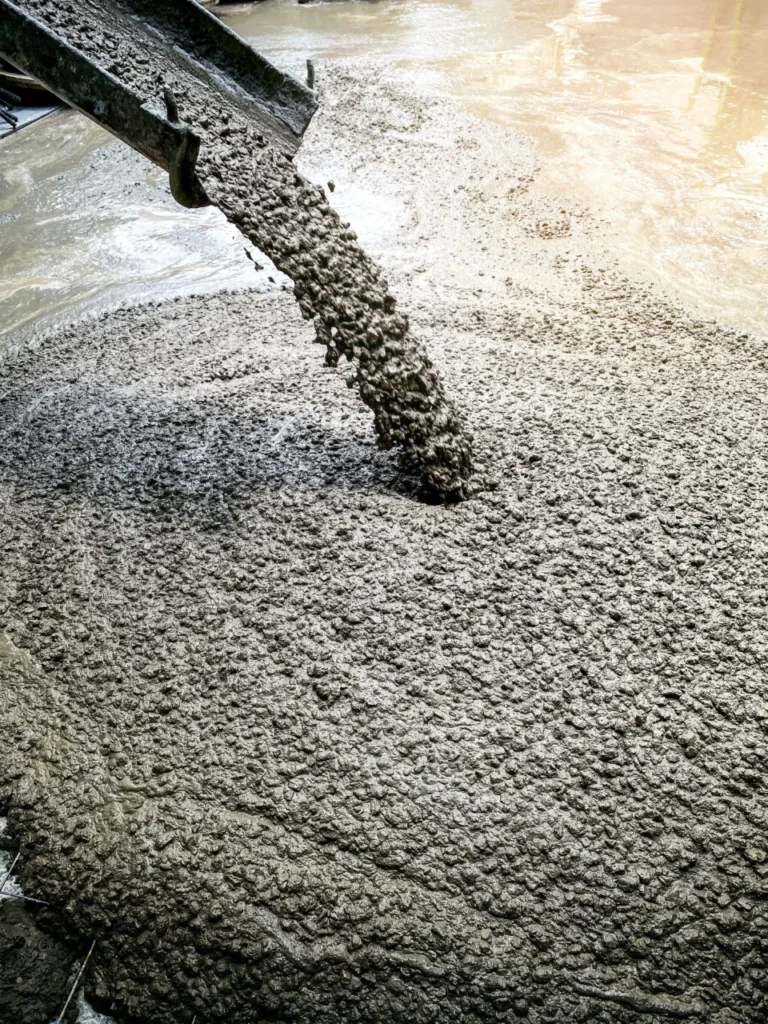
Poured concrete creates a continuous surface. It may be the better fit for a clean slab, driveway, walkway, patio, foundation-adjacent surface, or larger flatwork area.
Pavers may be a better fit when you want:
- Individual surface units
- Pattern flexibility
- Decorative borders
- Easier spot replacement
- A hardscape look
- Patio or walkway texture
- A surface that connects with stone or masonry
- A defined entry or garden path
Poured concrete may be a better fit when you want:
- A continuous surface
- A simpler flatwork layout
- Driveway slabs
- Walkway slabs
- Large patio surfaces
- Concrete finishes
- Structural or foundation-related work
For poured concrete options, visit our concrete work page.
Pavers vs. Stone Work
Pavers and stone work can look similar from a distance, but they are not the same service.
Pavers usually involve individual units installed in a planned surface system. They are often used for patios, walkways, paths, entries, and outdoor living areas.
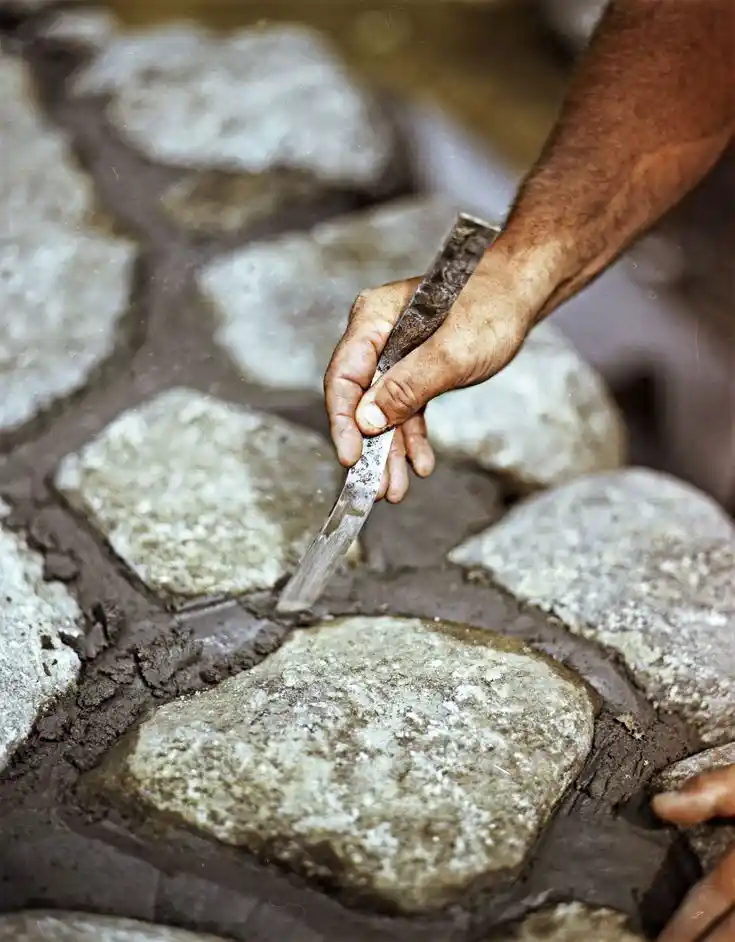
Stone work often focuses on natural or decorative stone features, borders, accents, wall details, garden edges, or custom hardscape elements.
If your project is mainly natural or decorative stone, visit our stone work page. If your project is a full surface made from paver units, this page is the better fit.
Paver Planning Starts With Layout
A good paver project starts with a clear layout.
Before work begins, Odell Concrete reviews where the pavers should go, how the area will be used, and how the surface should connect to the rest of the property.
Important planning details include:
- Paver location
- Surface purpose
- Foot traffic
- Vehicle use when relevant
- Patio furniture needs
- Entry or walkway route
- Paver pattern
- Paver material
- Edge restraint
- Base preparation
- Joint material
- Drainage direction
- Nearby concrete
- Nearby stone or masonry
- Access to the work area
This helps avoid poor transitions, weak edges, drainage issues, and paver movement after installation.
Base Preparation Before Paver Installation
Pavers depend on the base below them.
If the base is weak, uneven, too shallow, or poorly drained, the paver surface may shift, settle, or become uneven. Proper base preparation helps the surface stay cleaner, flatter, and more dependable.
Base preparation may include:
- Clearing the area
- Removing old hardscape
- Reviewing slope
- Checking drainage
- Preparing the base
- Compacting the base
- Planning edge restraint
- Setting layout lines
- Reviewing nearby concrete
- Planning transitions
- Cleaning the area after installation
For broader preparation work, visit our site prep, grading, and demolition page.
Joint Material, Edges, and Paver Stability
Paver surfaces need more than the right pattern.
The joints and edges help keep the pavers in place. If the joint material is weak or the edges are not supported, the pavers can spread, loosen, or shift over time.
Odell Concrete reviews the paver system before installation, including:
- Paver layout
- Joint spacing
- Joint material
- Edge restraint
- Border areas
- Surface slope
- Drainage path
- Transition points
- Nearby concrete or stone
- Expected use
This helps create a more complete paver surface instead of a loose hardscape patch.
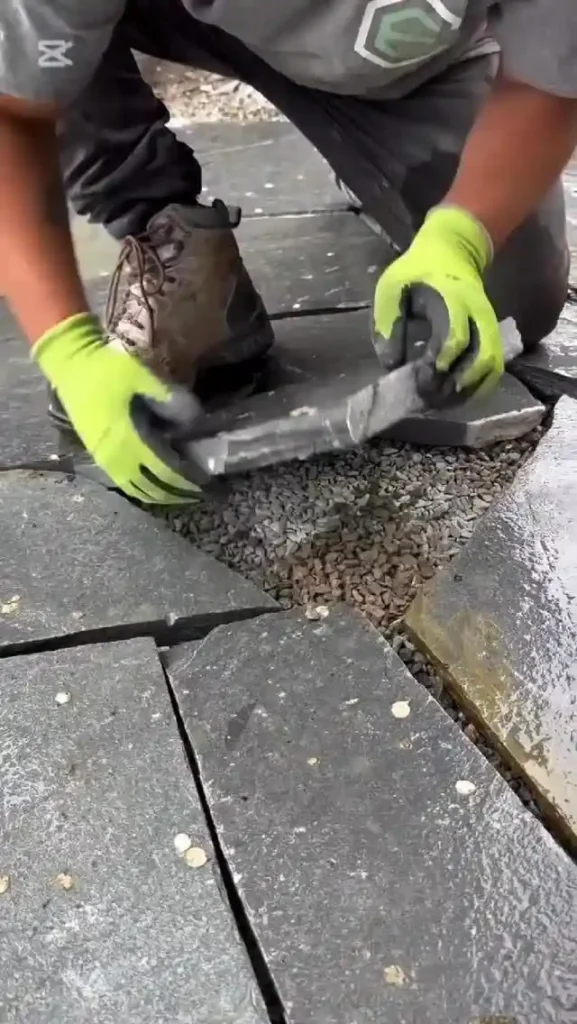
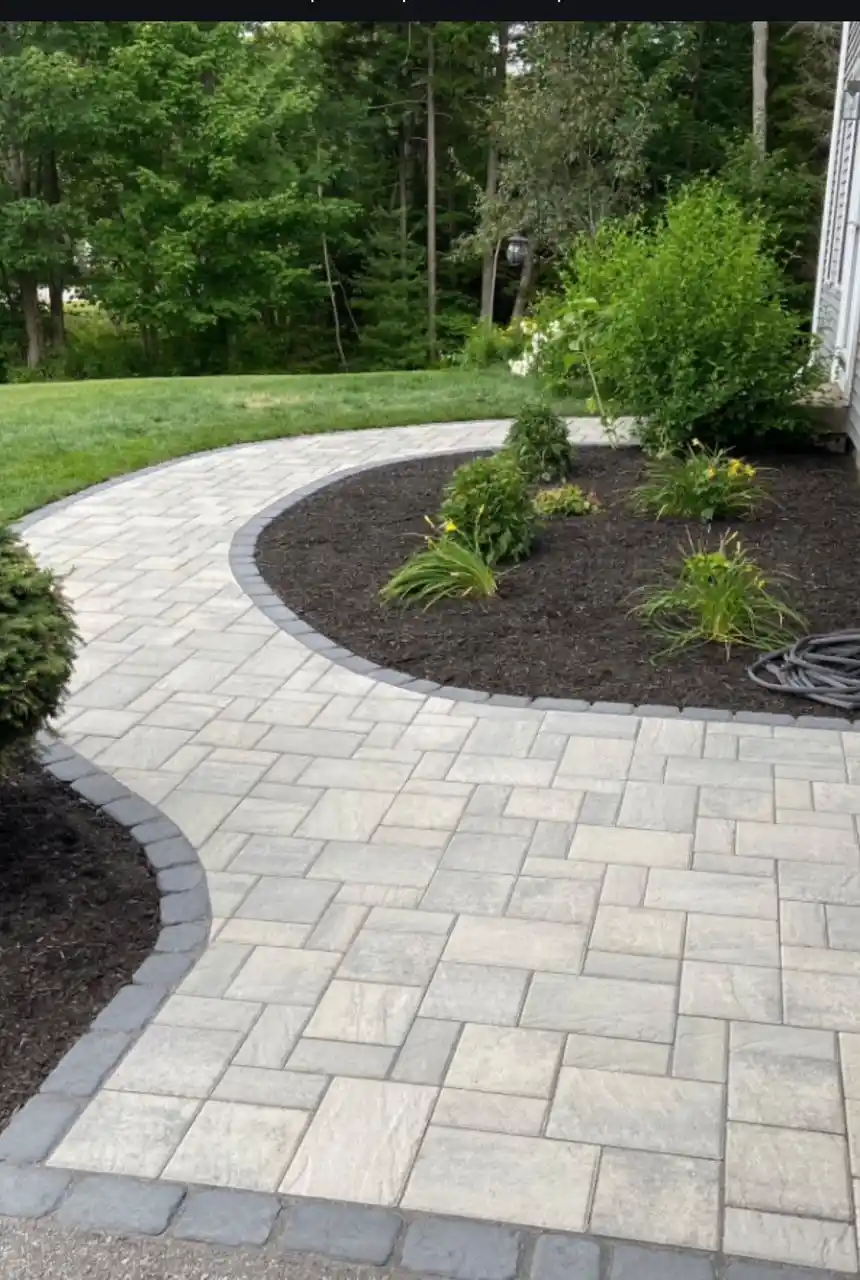
Drainage for Paver Patios, Walkways, and Entries
Water should not sit on or under a paver surface.
Poor drainage can move the base, loosen pavers, wash out joints, create low spots, stain surfaces, and make the area harder to use.
Drainage should be reviewed before paver installation begins.
Common drainage concerns include:
- Water pooling on a paver patio
- Water collecting near paver walkways
- Water moving toward the home
- Water washing out joint material
- Soil washing away near edges
- Low spots near entries
- Water trapped between pavers and concrete
- Downspouts sending water into the paver area
- Irrigation overspray near the paver surface
For water-flow planning, visit our concrete drainage systems page. If buried drainage is needed, visit our underground drainage page.
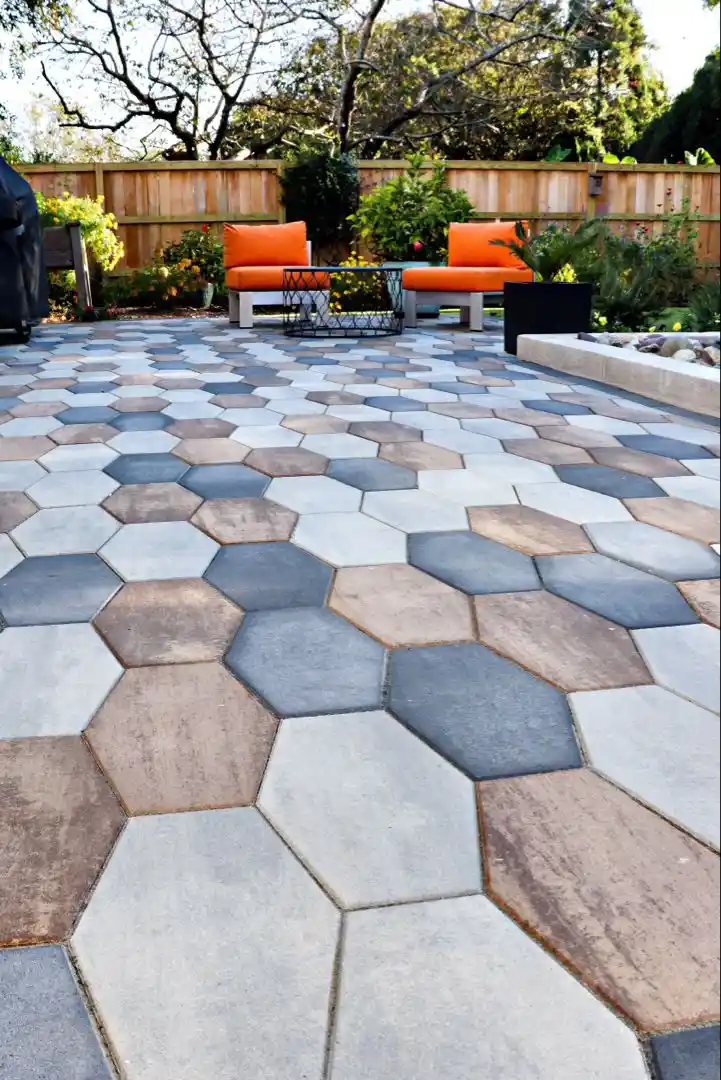
Paver Patios for Outdoor Living Spaces
A paver patio can make a backyard, courtyard, or side-yard area more useful.
The surface should be planned around how you want to use the space. A small sitting area needs a different layout than a larger patio for dining, grilling, and guests.
Odell Concrete helps plan paver patios around:
- Seating areas
- Table and chair space
- Grill or outdoor kitchen zones
- Door connections
- Walkway connections
- Drainage
- Paver pattern
- Border details
- Edge support
- Nearby concrete or stone
- Cleanup and access
If you prefer a poured concrete patio, visit our concrete patio construction page.
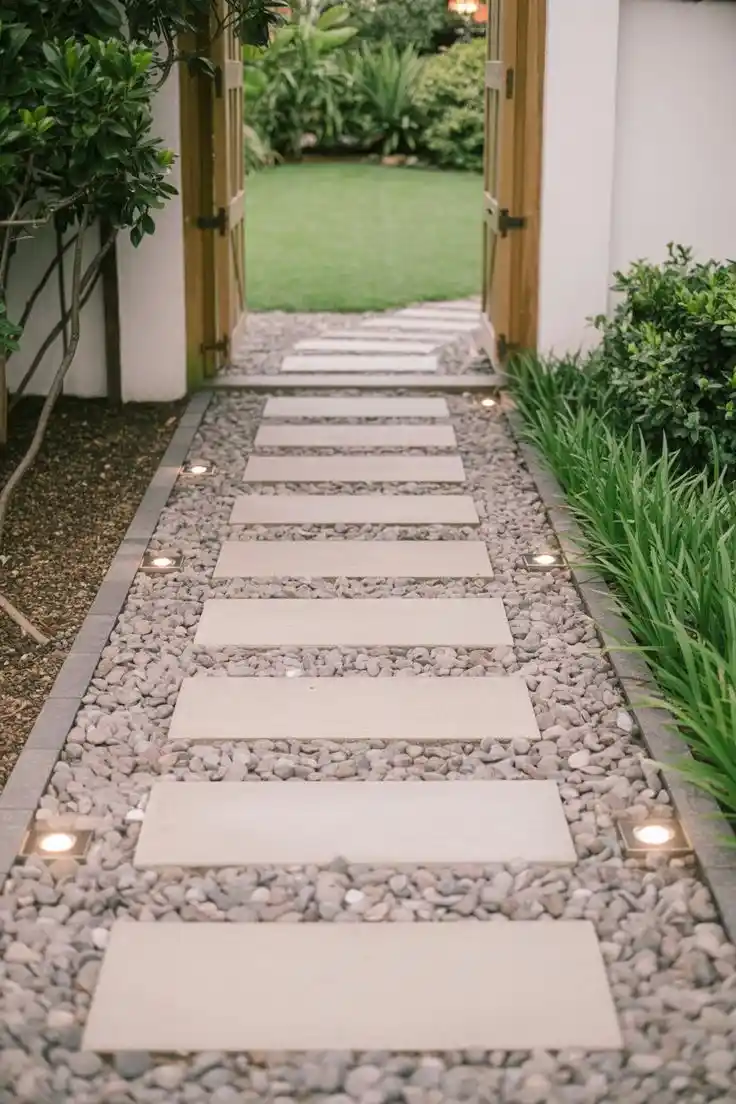
Paver Walkways and Side-Yard Paths
Paver walkways can improve the way people move through a property.
They can connect doors, gates, patios, garden areas, driveways, side yards, and outdoor living spaces. A paver path should feel natural to walk on and should not collect water or shift under regular use.
Odell Concrete reviews:
- Route direction
- Width
- Slope
- Drainage
- Base preparation
- Foot traffic
- Gate access
- Door connections
- Garden edges
- Nearby concrete
- Surface transitions
For poured concrete walkway work, visit our concrete walkways page.
Paver Borders and Driveway Connections
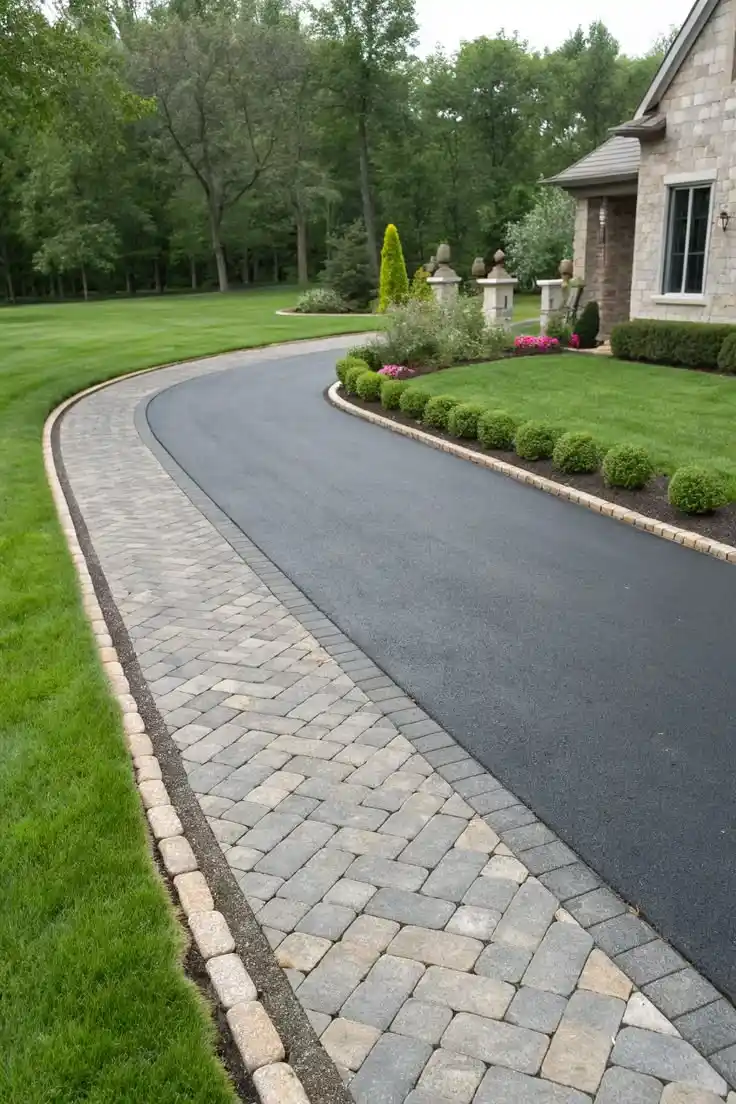
Pavers can be used to create borders, edges, or transitions near driveways and vehicle areas.
A paver border can add detail to a driveway, define an edge, or connect the driveway to a walkway or entry. Vehicle-use areas need careful review because the base and edges must support the expected use.
Odell Concrete reviews the traffic, base, drainage, and edge support before recommending a paver approach near a driveway.
For broader driveway and walkway planning, visit our driveways and walkways page.
Demolition Before Paver Installation
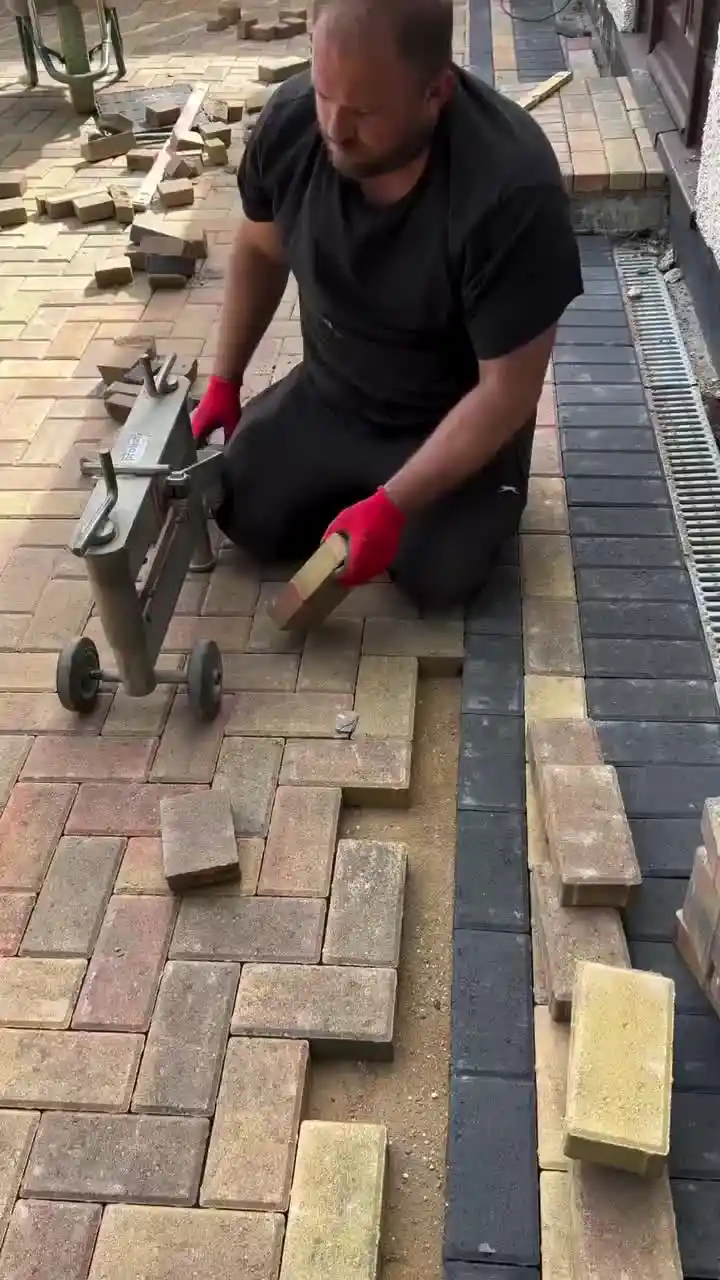
Some paver projects begin with removing old material.
Old concrete, loose pavers, broken stone, damaged hardscape, or poorly placed surfaces may need to be removed before the new paver system can be installed correctly.
Demolition may be needed before:
- New paver patio installation
- Paver walkway installation
- Entry paver installation
- Paver border installation
- Hardscape layout changes
- Drainage correction
- Grading correction
- Base replacement
- Surface replacement
For removal work, visit our demolition services page.
Paver Replacement vs. Paver Repair
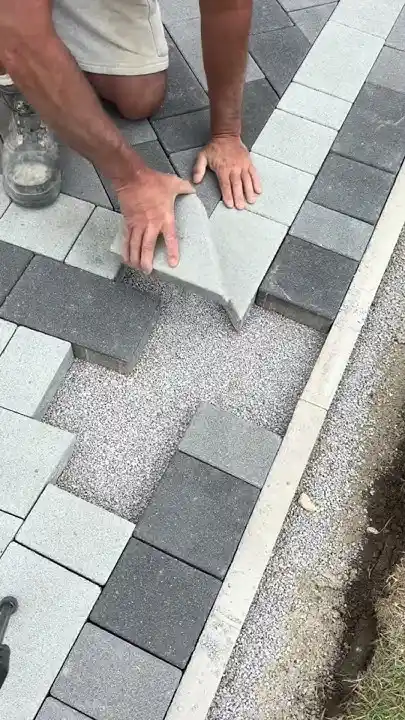
Some paver problems can be corrected. Others point to deeper issues with the base, drainage, edge restraint, or original layout.
Replacement may be the better option when the paver surface has:
- Sunken areas
- Loose pavers
- Wide or missing joints
- Weak edges
- Poor drainage
- Uneven transitions
- Mismatched repairs
- Water pooling
- Repeated movement
- A layout that no longer fits the property
Odell Concrete reviews the surface condition before recommending repair planning, replacement, drainage correction, or a different surface option.
Pavers Connected to Concrete, Stone, and Masonry
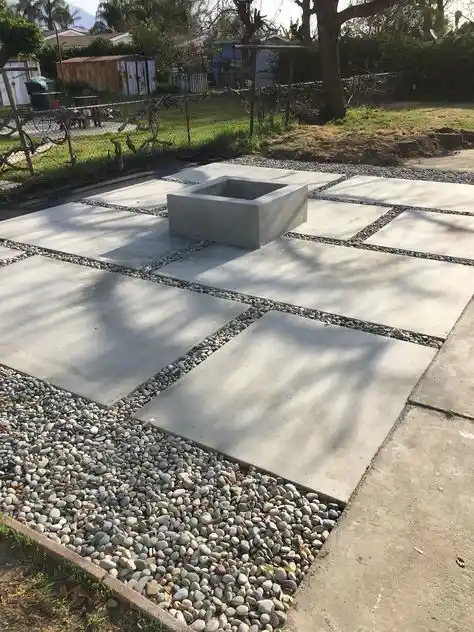
Paver surfaces often work best when they are planned with nearby materials.
A paver patio may connect to a concrete walkway. A paver path may connect to stone borders. A paver entry may sit near masonry walls, garden edges, or a driveway.
Odell Concrete reviews how pavers connect to:
- Concrete patios
- Concrete walkways
- Concrete driveways
- Stone work
- Masonry walls
- Garden edges
- Entry paths
- Side yards
- Outdoor living spaces
- Drainage routes
For broader masonry and hardscape routing, visit our masonry and stone work page.
Pavers for Homes, HOAs, and Managed Properties
Odell Concrete helps different property types with paver installation and replacement.
Residential Paver Installation
We help homeowners with paver patios, walkways, entries, side yards, garden paths, driveway borders, and outdoor living spaces.
HOA and Managed Property Pavers
We help HOAs, landlords, and property managers with paver surfaces near common areas, walkways, courtyards, entries, outdoor routes, and shared hardscape areas.
Light Commercial Paver Work
We help small businesses and commercial property owners with paver entries, outdoor seating areas, walkways, access paths, and hardscape improvements.
For full service routing, visit our services page.
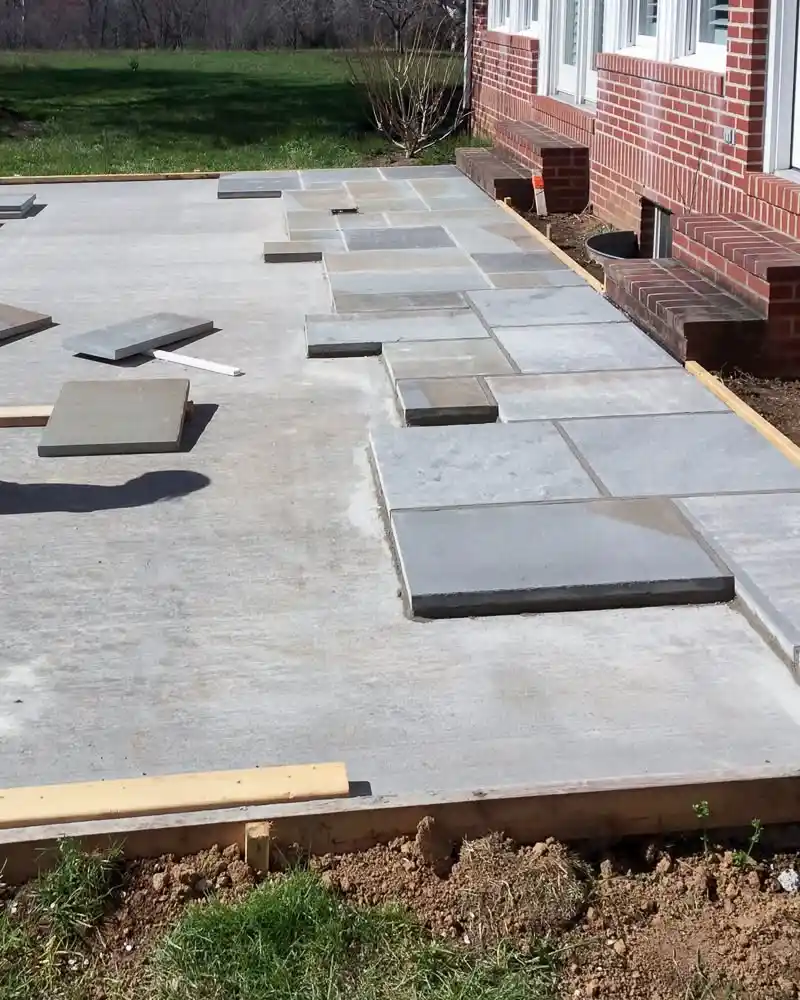
Paver Installation Cost Factors
Every paver installation project is different, so pricing depends on the site and scope.
Common cost factors include:
- Paver type
- Project size
- Surface area
- Pattern complexity
- Existing material removal
- Site access
- Base preparation
- Drainage needs
- Grading needs
- Edge restraint
- Joint material
- Vehicle-use needs
- Transitions to concrete or stone
- Cleanup needs
- Project complexity
A small paver walkway with easy access is usually more straightforward than a large paver patio or driveway-connected project with demolition, drainage correction, grading, and multiple surface transitions.
The best way to get accurate pricing is to have the area reviewed. Call (714) 717-1771 to request an estimate.
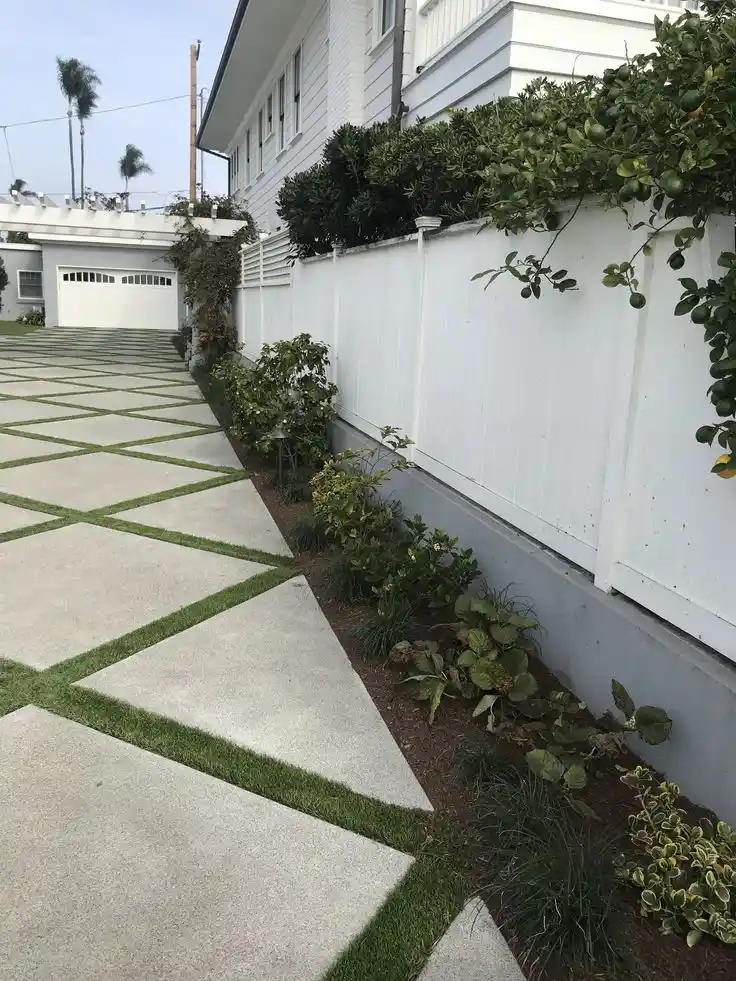
Paver Installation for Garden Grove and Orange County
Garden Grove and nearby Orange County properties can involve older patios, concrete walkways, narrow side yards, drainage issues, paver areas, garden paths, driveway edges, and outdoor spaces that need a cleaner hardscape layout.
Odell Concrete plans paver installation around real property conditions. We do not use a one-size-fits-all approach.
We review the paver purpose, layout, access, drainage, nearby surfaces, existing hardscape, and preparation needs before work begins.
That helps your paver project start with a clearer plan.
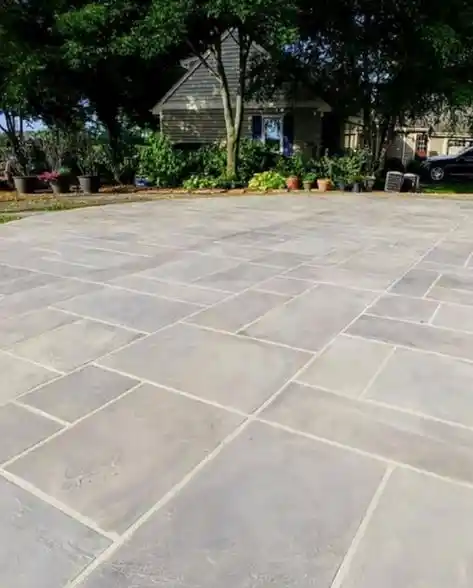
Why Choose Odell Concrete for Pavers?
Odell Concrete has served local property owners since 1976. We bring decades of hands-on concrete, masonry, hardscape, and site-planning experience to paver projects in Garden Grove and throughout Orange County.
Licensed and Insured
Odell Concrete is licensed and insured. California Contractor License #1065525.
Paver System Planning
We review paver type, layout, drainage, access, surface use, base preparation, joint material, edge restraint, nearby concrete, and hardscape connections before work begins.
Clear Recommendations
We explain what we recommend and why, so you understand the paver installation scope before the project begins.
Local Property Experience
Garden Grove and Orange County properties often involve older concrete, tight access, drainage concerns, patios, walkways, garden areas, side yards, and hardscape features that need better connections.
Clean, Dependable Work
We focus on careful preparation, proper installation, clear communication, and cleanup after the job.
Paver Contractor Near Garden Grove, CA
Odell Concrete provides paver installation in Garden Grove and nearby Orange County communities, including Huntington Beach, Westminster, Fountain Valley, Anaheim, Santa Ana, Orange, Costa Mesa, Newport Beach, Irvine, Tustin, Fullerton, Yorba Linda, Long Beach, and Los Alamitos.
View our concrete service areas.
See Our Paver, Masonry, and Concrete Work
Before choosing a paver contractor, it helps to see finished outdoor work.
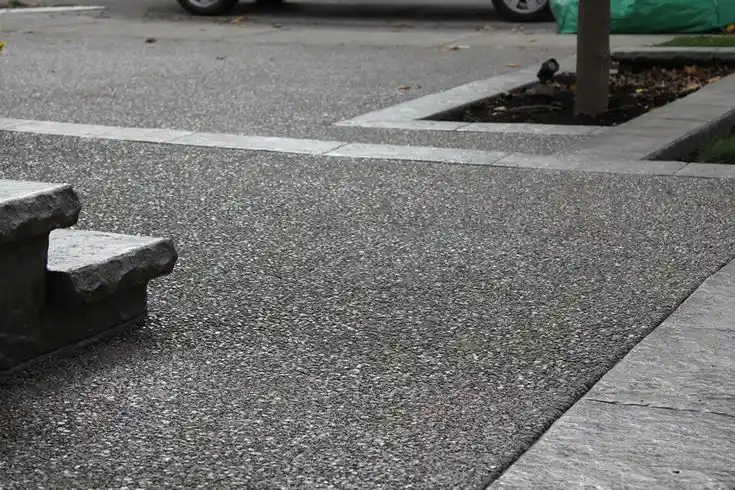
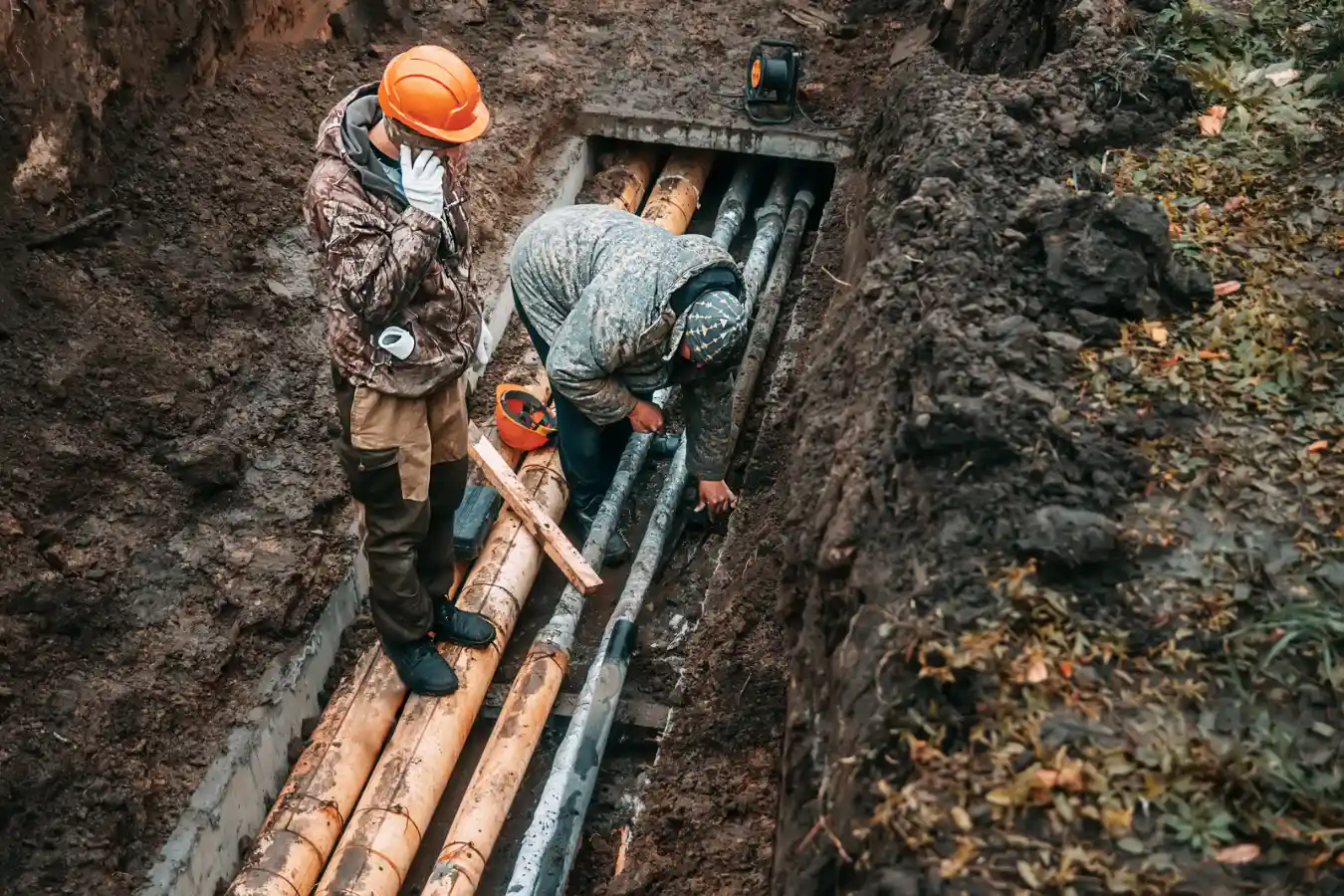
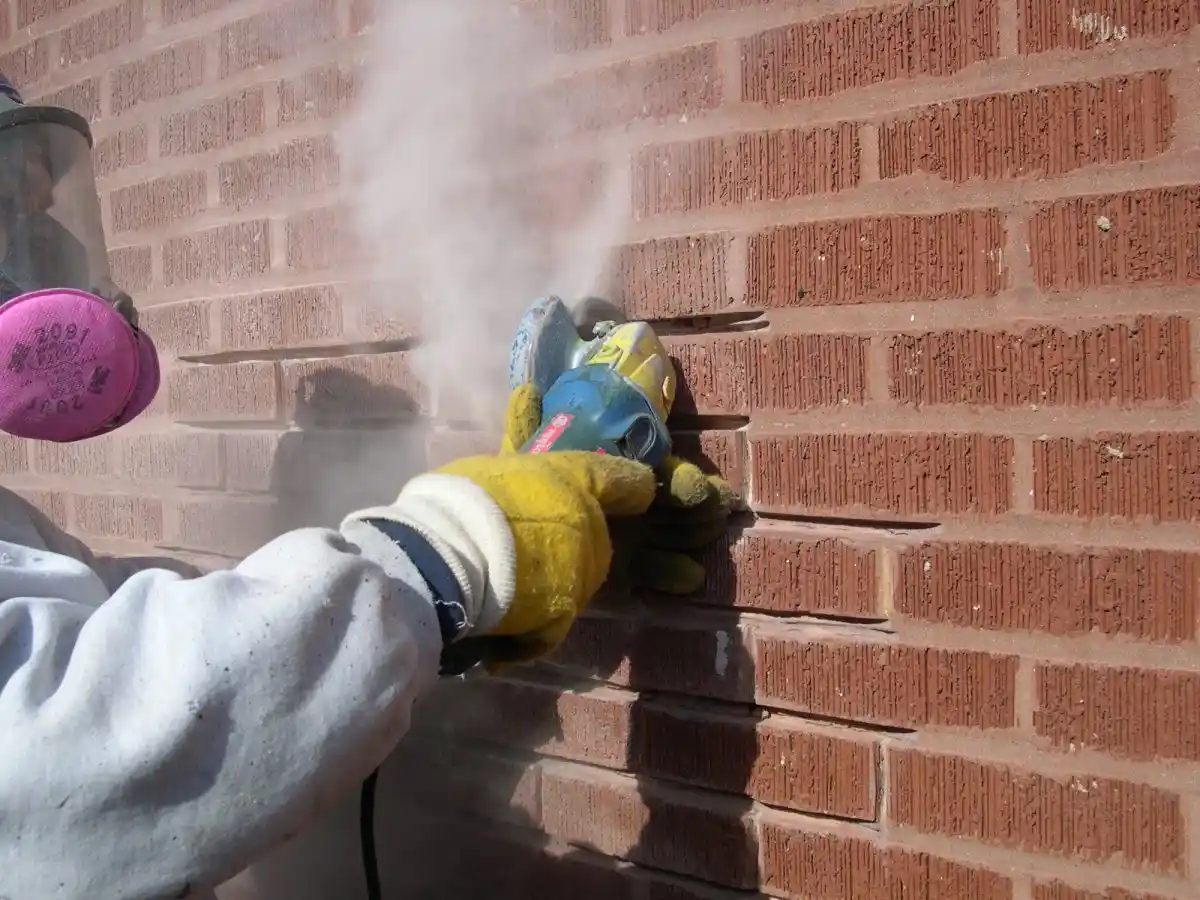
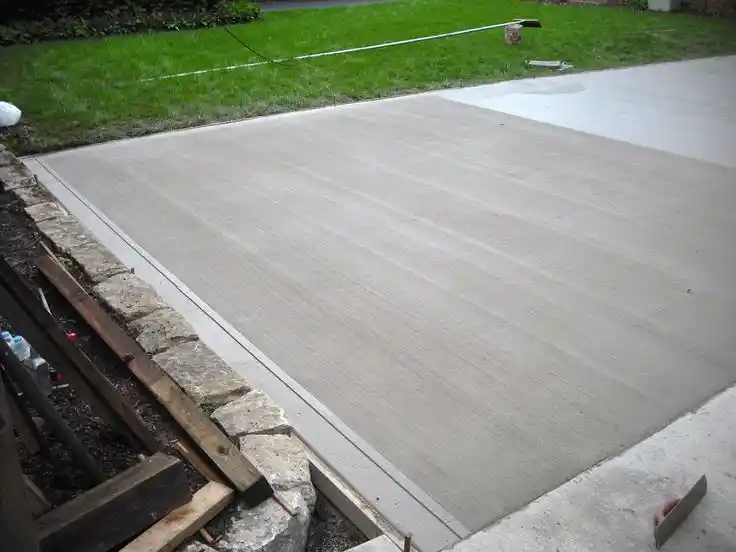
Visit our concrete project gallery to view examples of patios, driveways, walkways, drainage projects, foundations, retaining walls, stamped concrete, and related outdoor work.
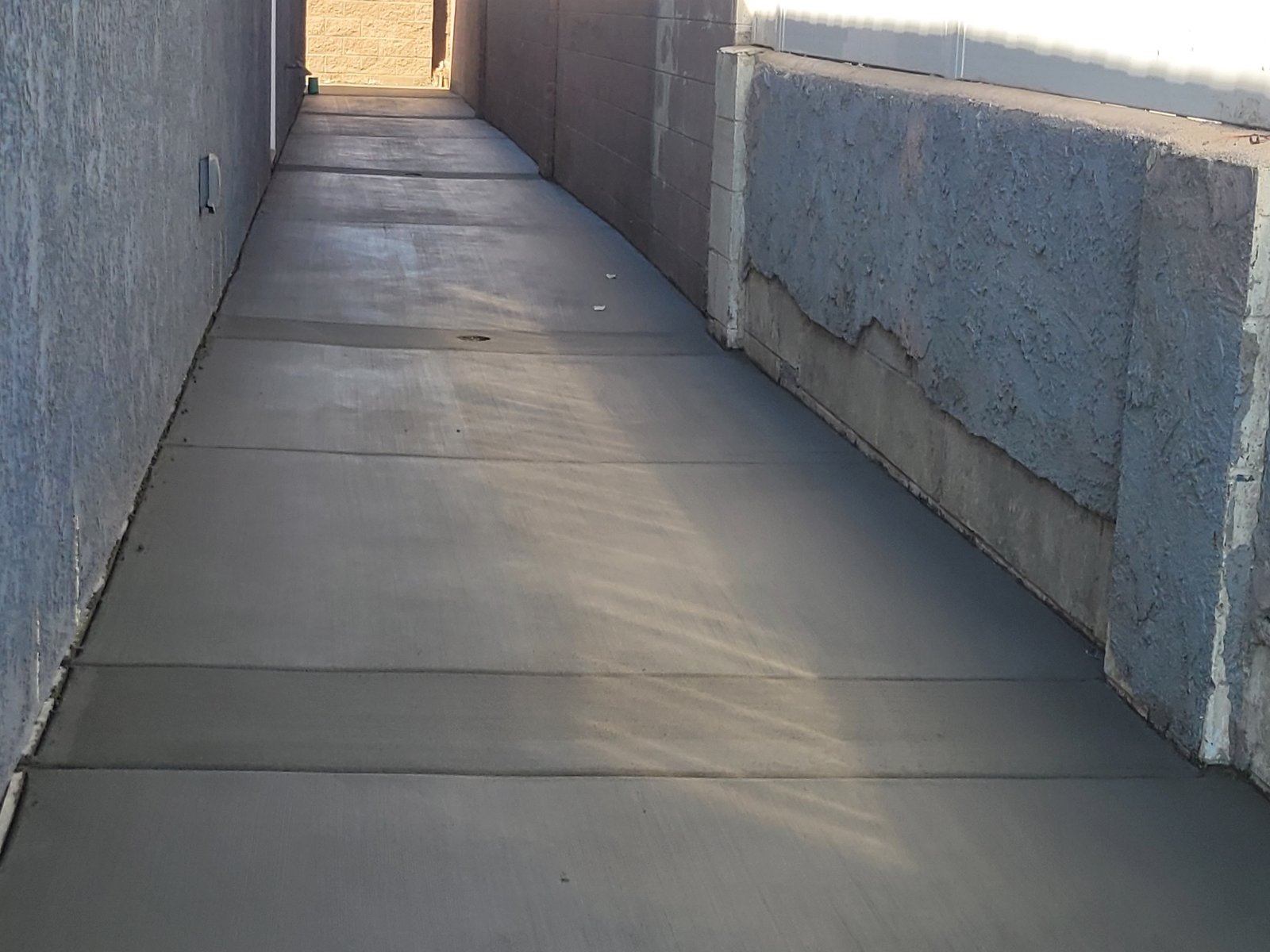
FAQs About Pavers
Paver installation may include layout planning, old surface removal, base preparation, drainage review, edge restraint, joint material, paver placement, transitions to nearby surfaces, and cleanup after the work is complete.
Pavers are individual units installed as a surface system with joints, edges, and base preparation. Poured concrete is one continuous slab. Pavers may be better for pattern flexibility and spot replacement, while poured concrete may be better for larger continuous flatwork areas.
The base matters because pavers can shift, settle, loosen, or hold water if the area below them is weak, uneven, too shallow, or poorly drained. Base preparation is one of the most important parts of a paver project.
Yes. Edge restraint helps keep the paver field from spreading or shifting over time. Weak edges can lead to loose pavers, uneven borders, and wider joints.
Yes. Pavers are commonly used for patios, walkways, side-yard paths, garden paths, entries, and outdoor living spaces. The layout should match foot traffic, drainage, nearby doors, and surface transitions.
Old pavers or hardscape may need replacement when the surface is sunken, loose, uneven, poorly drained, mismatched, missing joint material, or no longer useful for the property layout.
Call (714) 717-1771 or visit the contact page to request an estimate. Share the project location, paver area type, current surface condition, drainage concerns, access details, and photos if available.
Request a Paver Installation Estimate
Need help with patio pavers, walkway pavers, entry pavers, driveway borders, or hardscape paver installation?
Call Odell Concrete at (714) 717-1771 to request a free estimate.
You can also send your project details through our contact page.